Categories
Memorial Miscellaneous

Keith’s Theatre, 6/26/25

1960’s remembered, fun times with Hippies & Yippies

Sometime during the mid-1960s, came the long-haired, pot smoking, psychedelic drug taking “flower children” that were known as the hippies.  Hippies protested about…well, just about everything!  I was one of them, so I ought to know.

First up on the hippie protest list, there was “The War” (in Vietnam, don’t ’cha know).  It was the hippie cause-célèbre.

When the war ended in 1973, we didn’t really know what to picket about anymore.  There was a brief time-out when people scrambled to find another cause and it didn’t take long to focus on Watergate, our new cause-célèbre. 
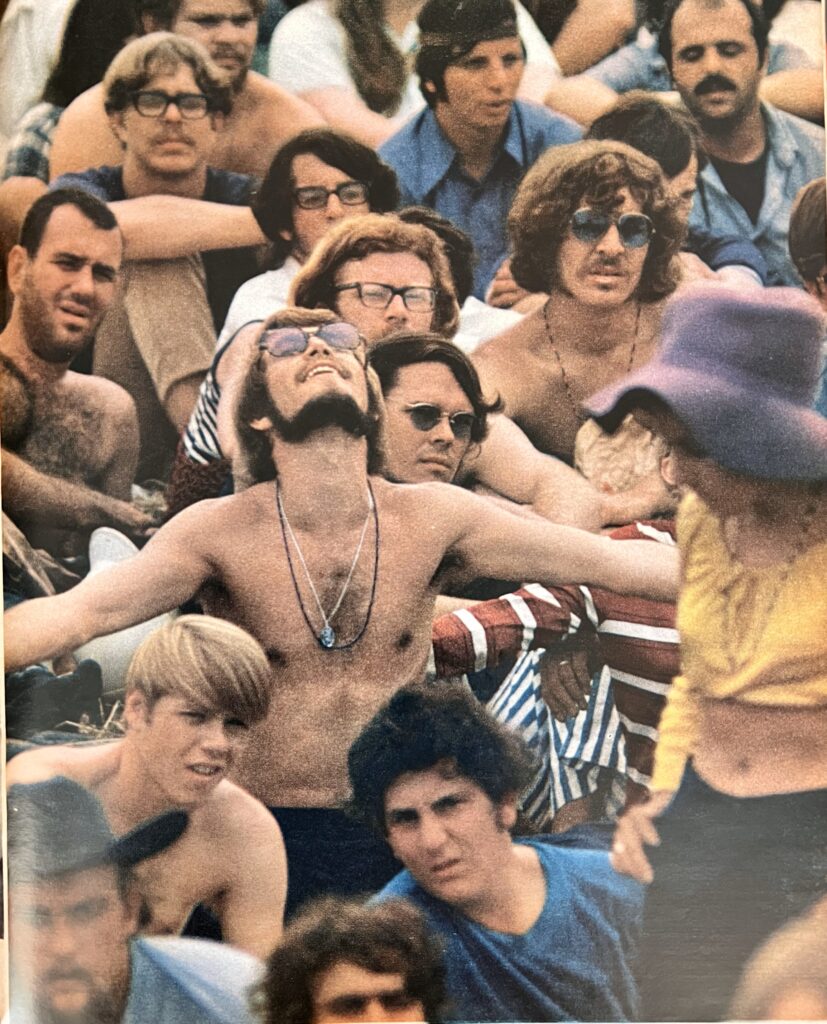
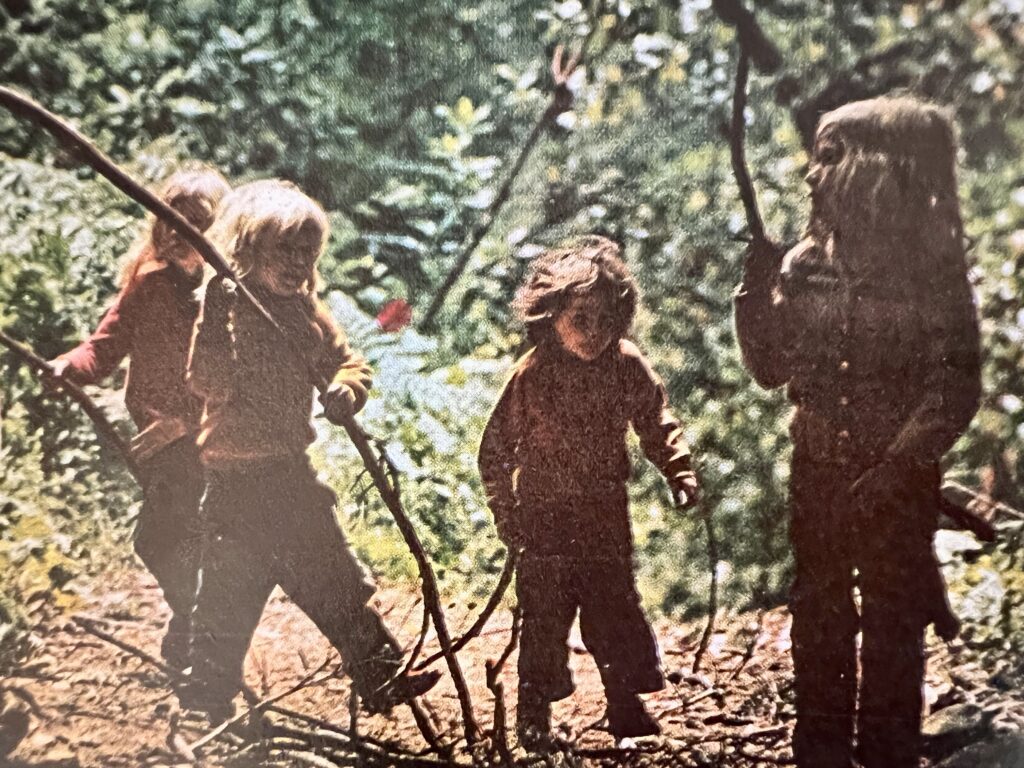
Look, Dec. 30, 1969 caption “The Generation Caught Between Violence and Euphoria”

Close to that time, the yippies were born.  Many have forgotten about yippies but they deserve a mention since they differed in an important way from hippies.

Hippies thought love and peace would solve the world’s problems, while yippies insisted that violence was necessary first.

Charles Manson was a perfect example of the yippy mentality because of his delusional interpretation of the Beatles’ song, “Helter Skelter.”  According to Manson, a violent race war would materialize out of thin air, after which society would radically restructure and we’d all live blissfully ever after…

Good ol’ psychotic Charlie!
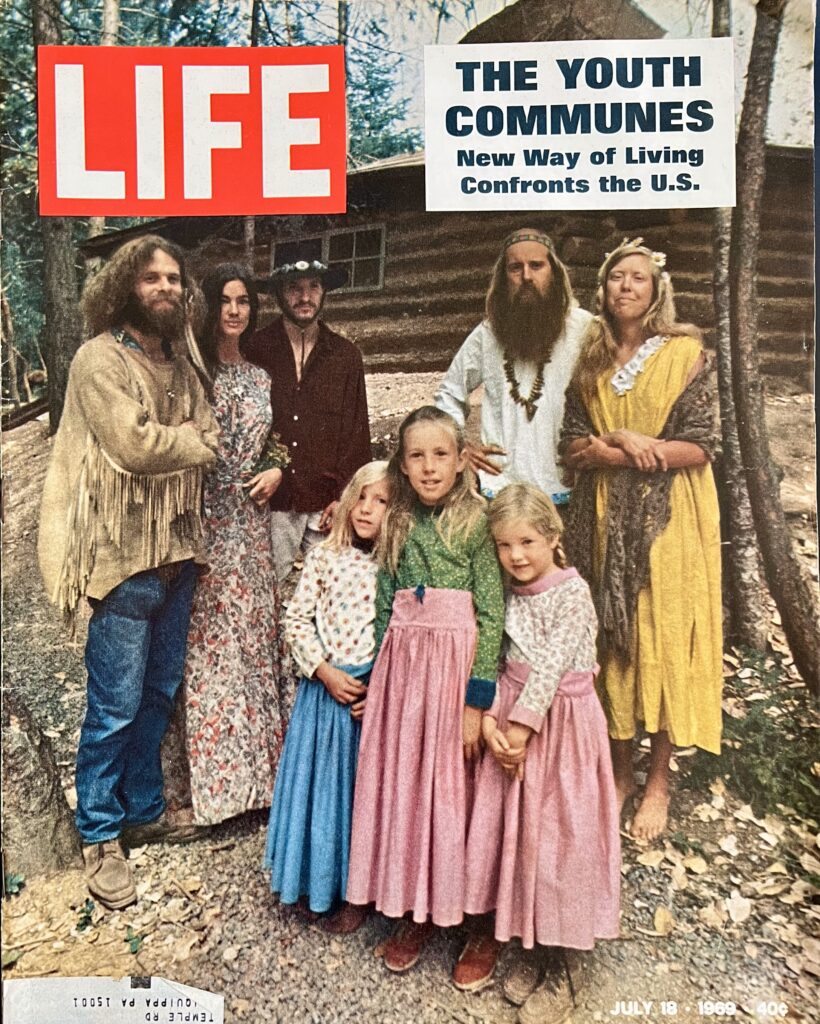
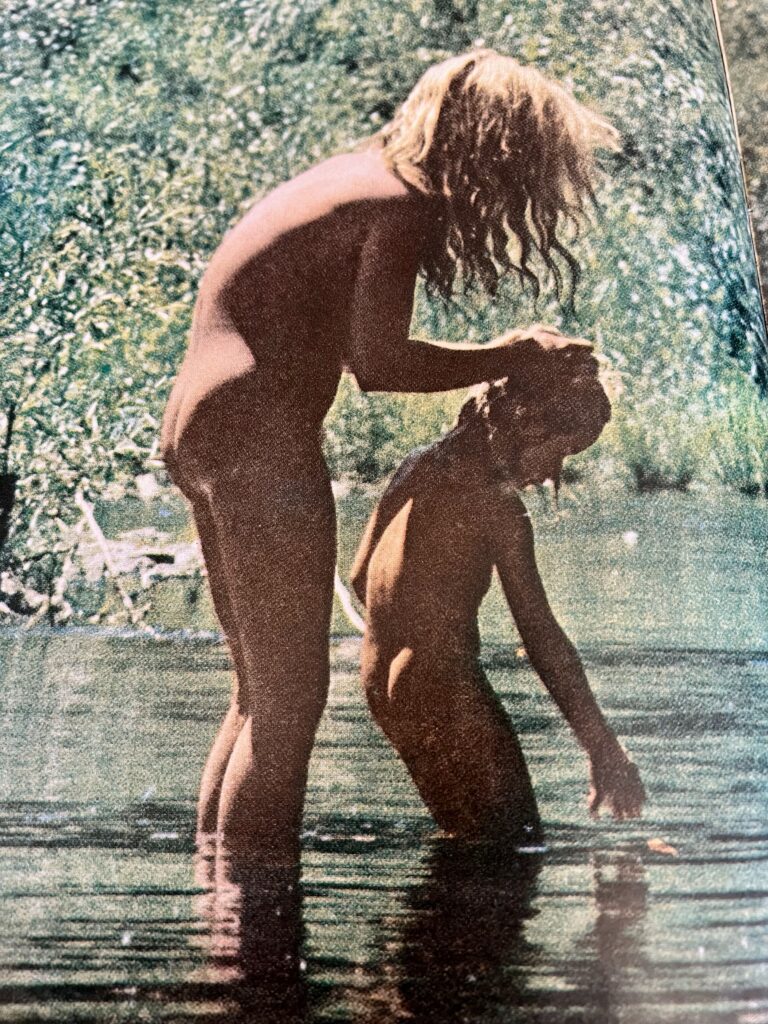
“Back to nature” was all the rage!

I was reminded of all this the past week after watching the demonstrations in downtown Los Angeles. Other famous yippies from that era – Abbie Hoffman, Jerry Rubin, and lest we forget, the Symbionese Liberation Army, responsible for the Patty Hearst kidnapping.

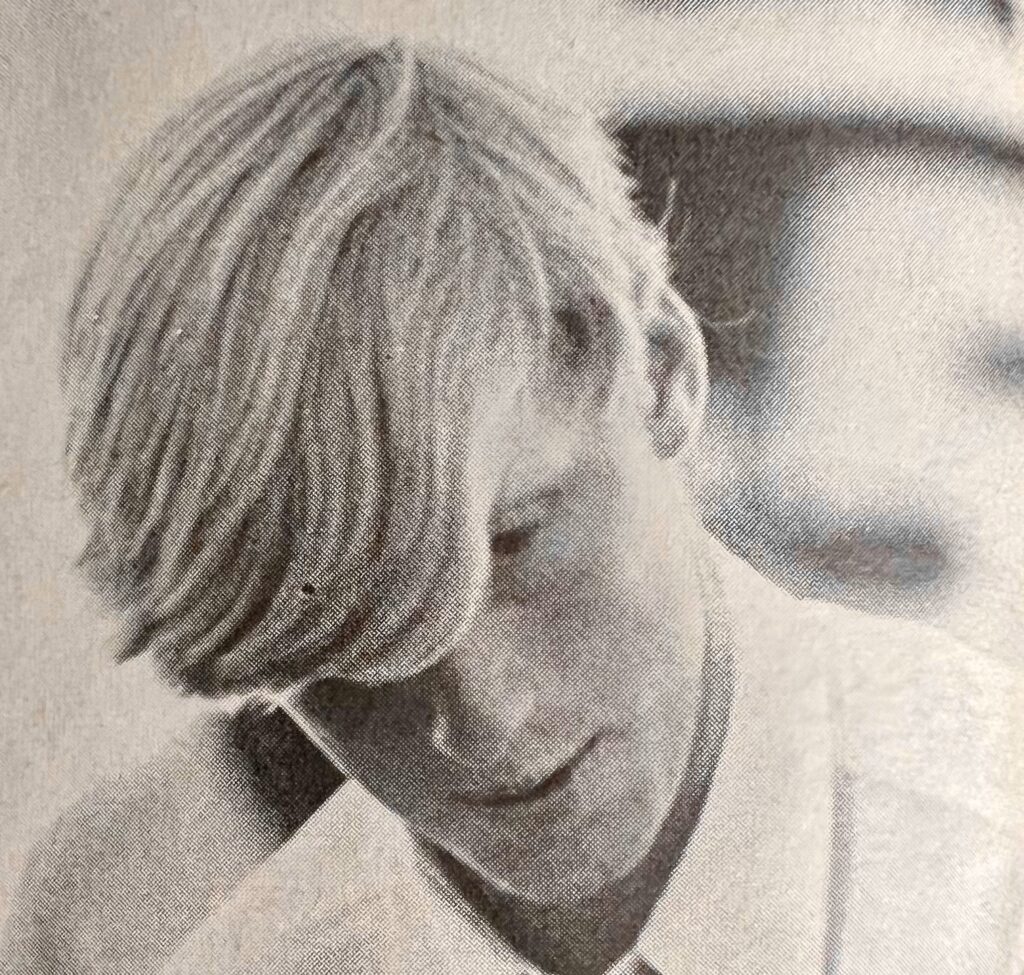
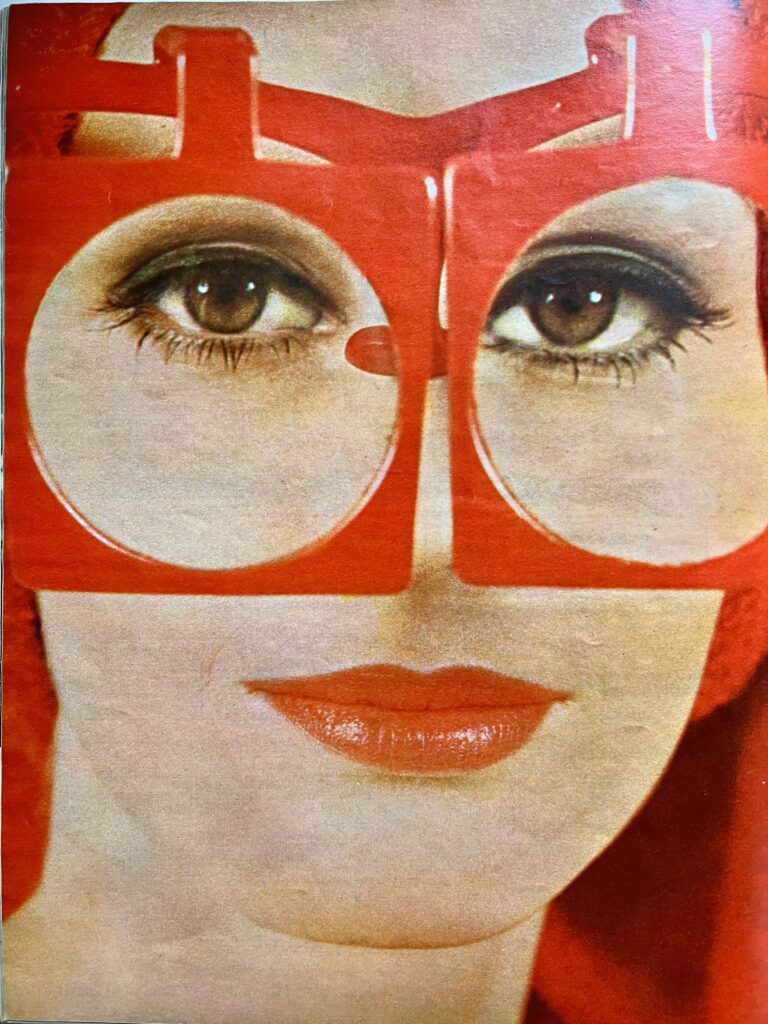
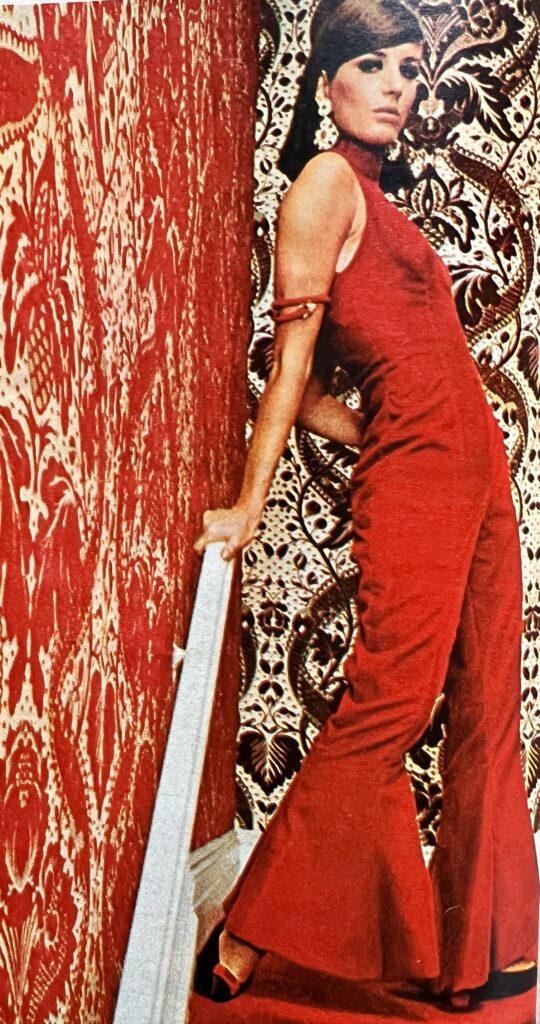
Let’s look at a few more old photographs from that era…
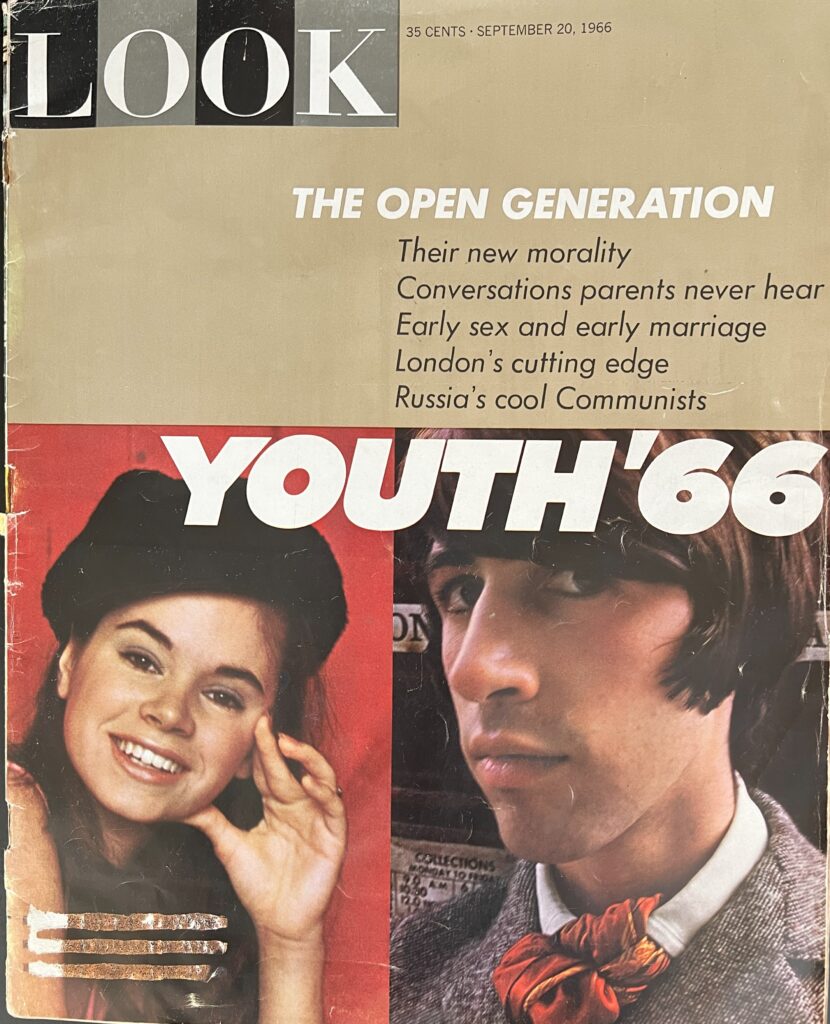
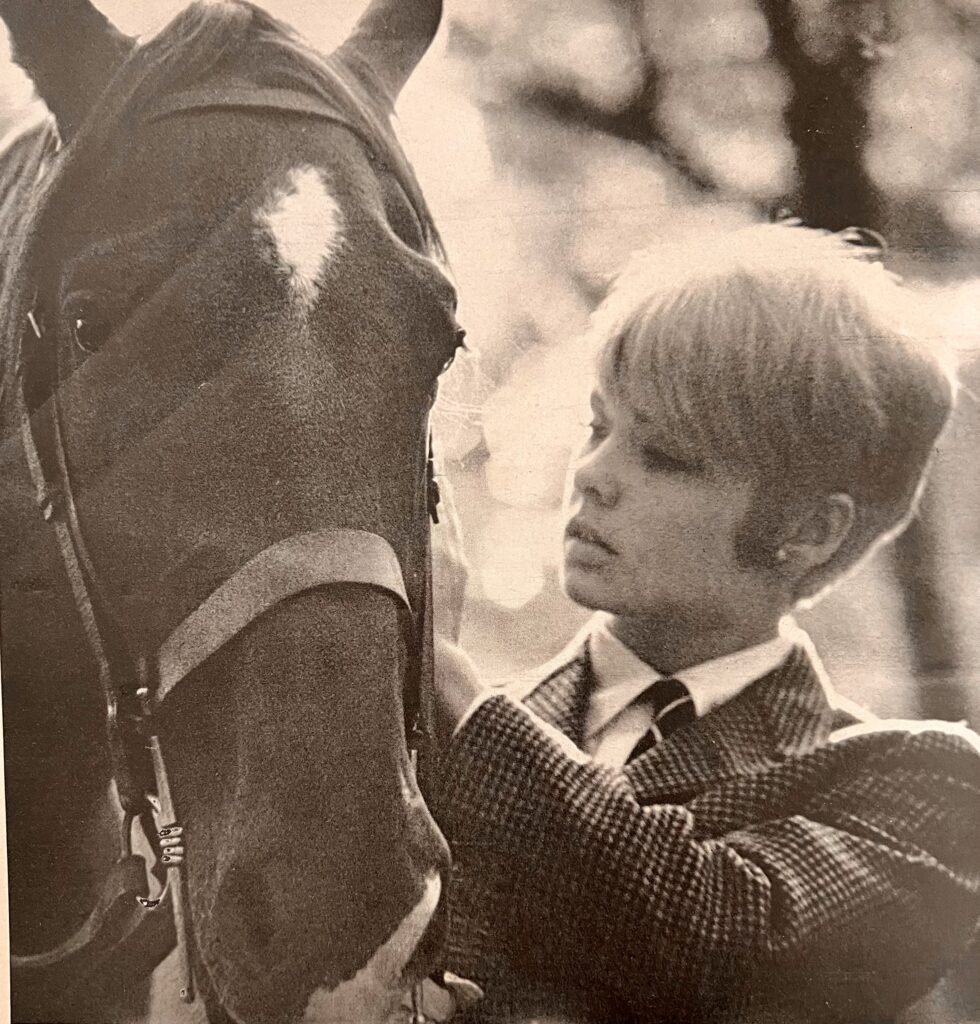
Look, September 20, 1966 (also below), from the early hippie era
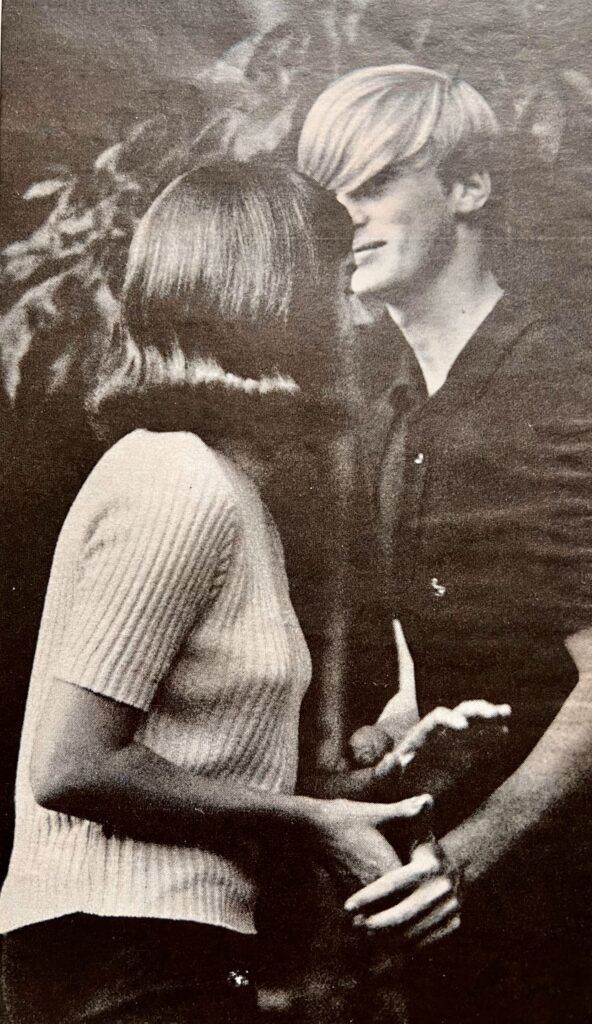
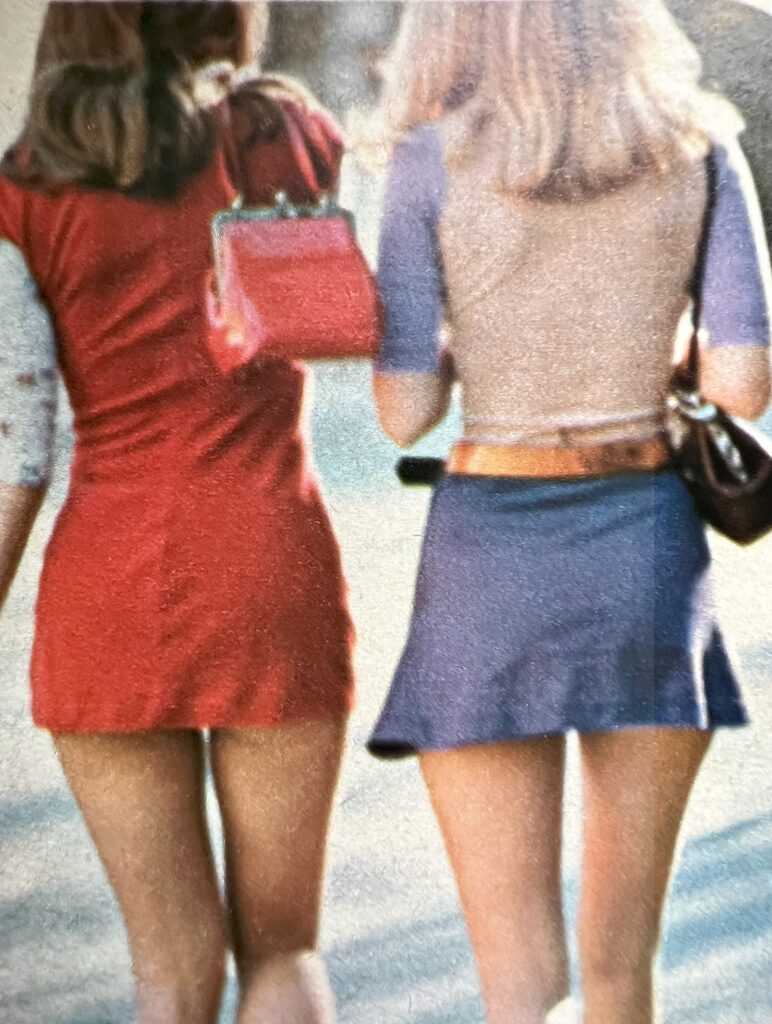
Mini-skirts were very in during the 1960s as this Dec. 30, 1969 Look pic shows

On a different note, I got a very odd email from the folks at YouTube about a video I posted back in September 2023.  The video had accumulated less than 50 views in the past two years, so it wasn’t exactly setting the world on fire.  

YouTube deleted it, stating I’d violated their “community guidelines.”

Perhaps so. 

Sorry to have brought up the unpleasant subject of suicide, but life is full of such off-color topics.  Don’t come after me simply because I mentioned what a particular actress did at the end of her brief life. 

Refer to my February 2024 blog about Carole Landis at this URL: https://keithstheatre.com/2024/02/

What was clearly more bizarre was YouTube’s follow-up email.  It intimated that if I’m contemplating suicide, I need to seek professional help.

You can just bet my psychotherapists will be salivating when they hear about this.

Most people here in sunny California have at least one therapist.  Never one to be outdone, I have three, don’t ’cha know…

Until next time…
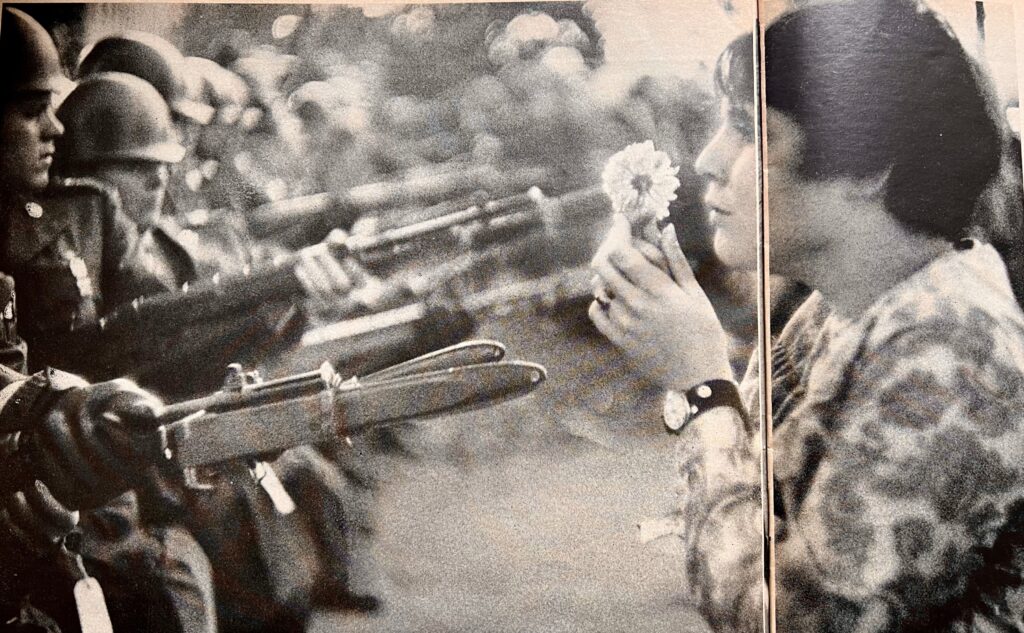
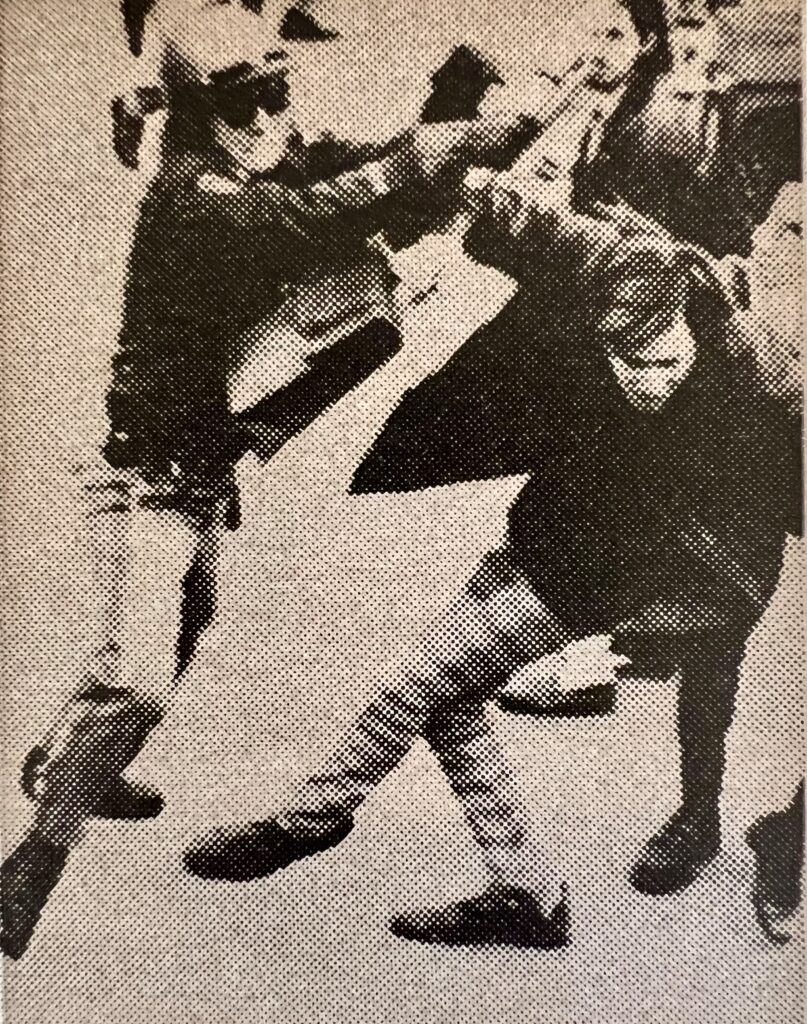
Look, Dec. 30, 1969 caption, “The Ultimate Confrontation: The Flower & the Bayonet”

Categories
Hollywood, Broadway & More! Memorial Miscellaneous

Keith’s Theatre, 6/7/25

(Love those old magazines, don’t ’cha know…)

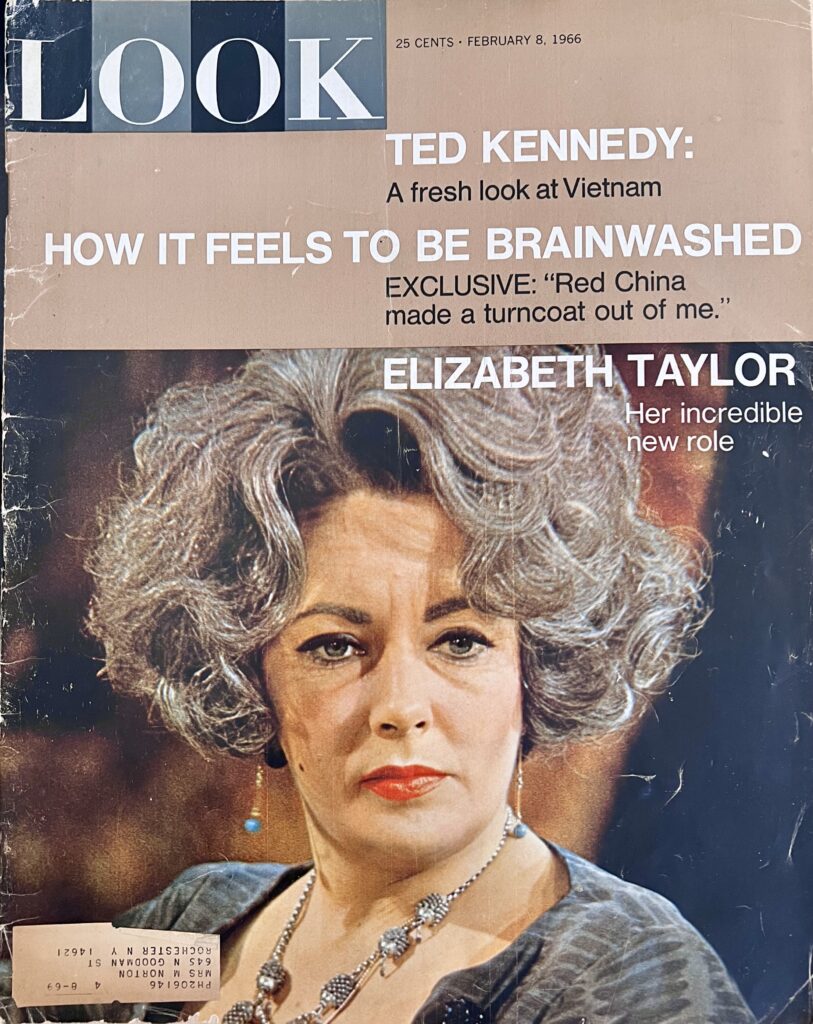
This week I was thumbing through an old copy of Look magazine from February 8, 1966, that had Elizabeth Taylor on the front cover. 

It wasn’t the usual photo of gorgeous Elizabeth that everyone grown accustomed to seeing since her breakthrough film at age twelve in 1944’s National Velvet.  Taylor, who was often referred to as “the most beautiful woman in the world,” had an entirely different look for her newest role in “Who’s Afraid of Virginia Woolf?” Motion picture soothsayers everywhere were predicting that Liz would spectacularly fail at the attempt. 

Critics claimed her acting would lack the necessary depth for Edward Albee’s 1962 play, and that Liz couldn’t possibly portray the matronly, frumpy character of Martha adequately, owing to her remarkable beauty.

Liz was quite dowdy on Look’s cover, with grey hair and facial lines (she was a few weeks shy of 34 at the time of the magazine’s release). She had strategically padded clothing to make her look plump but the public, naturally, was wild with speculation that it wasn’t needed at all and that Liz had piled on the pounds lately!

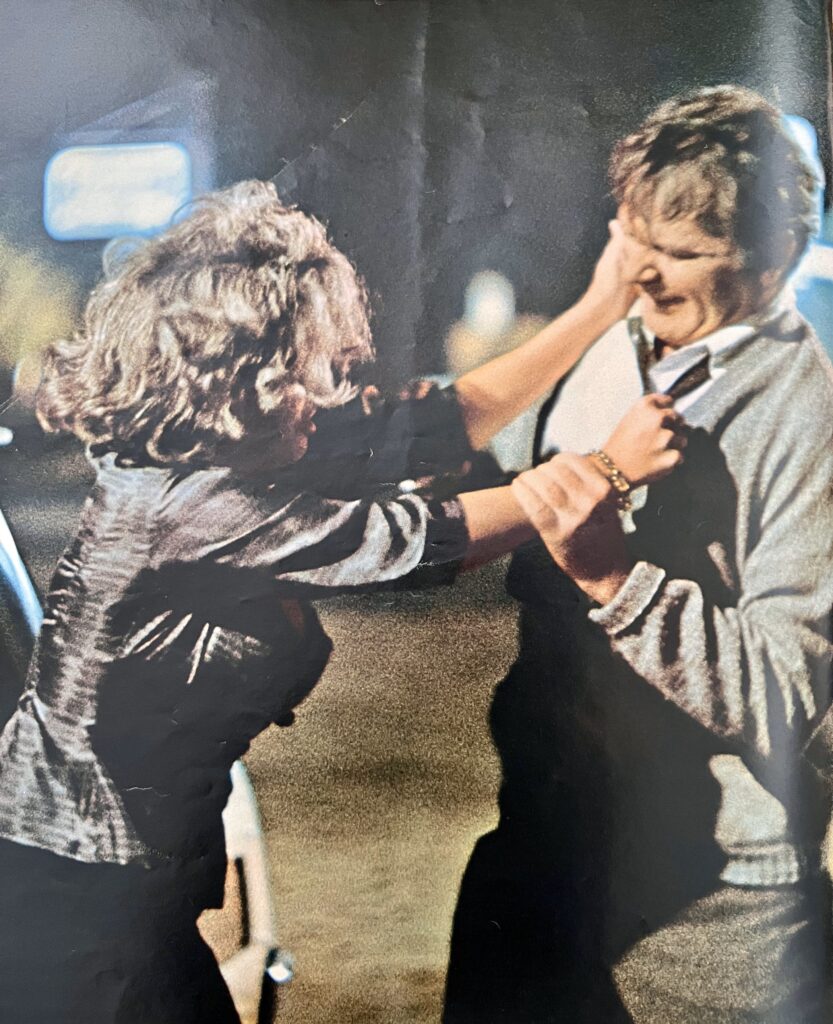
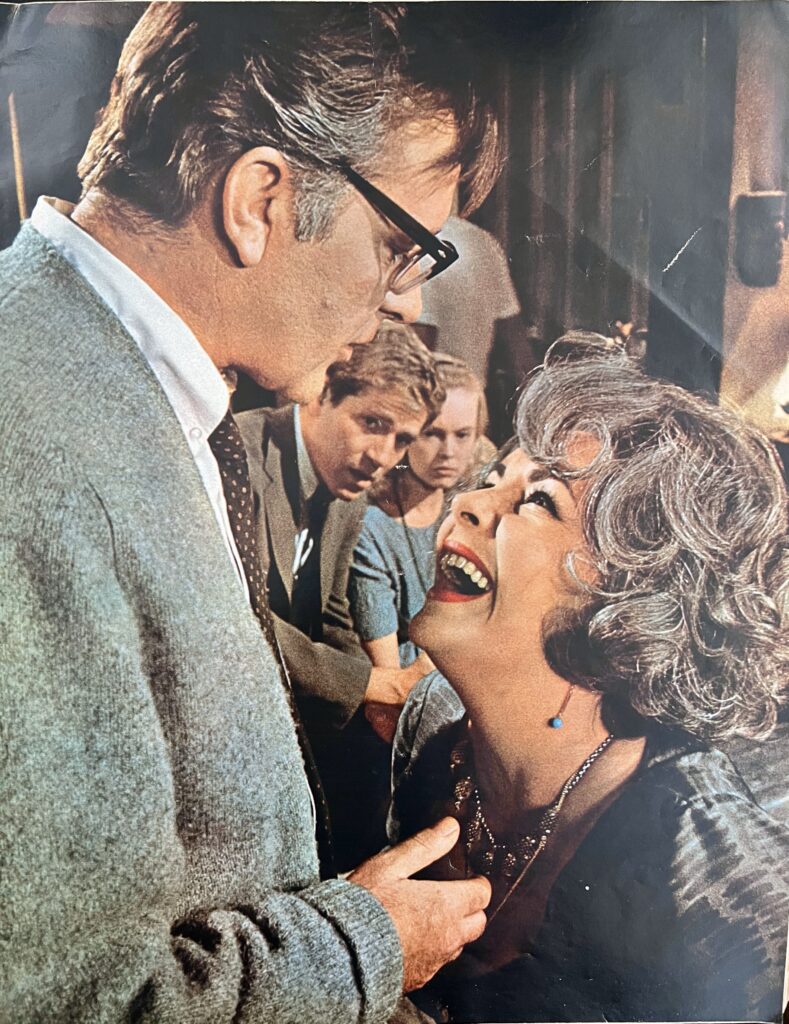
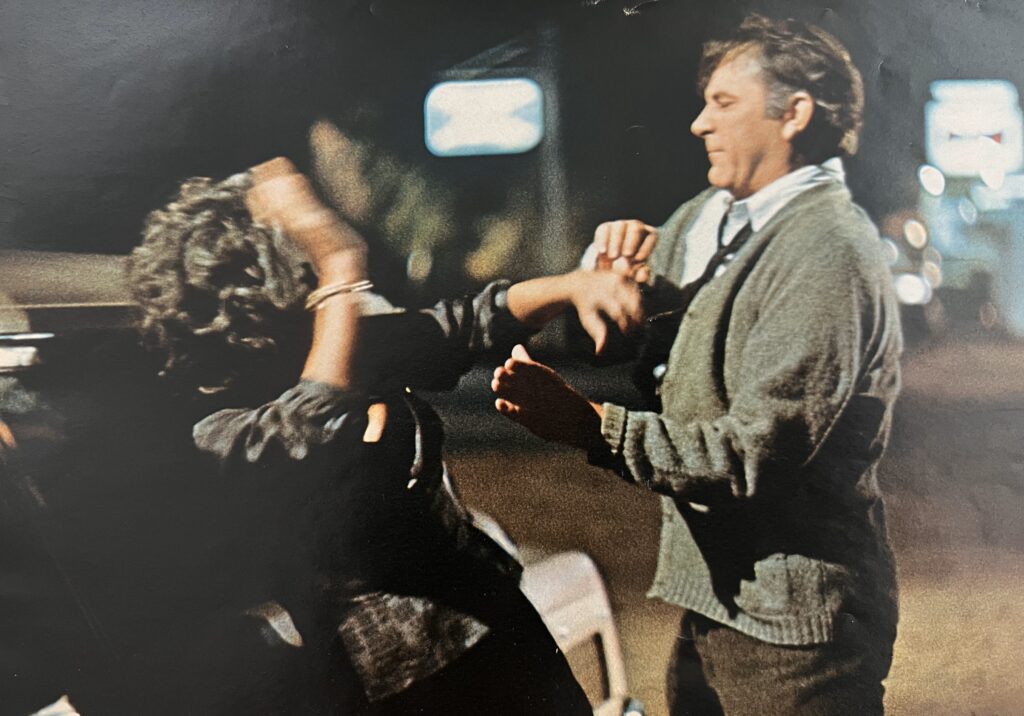
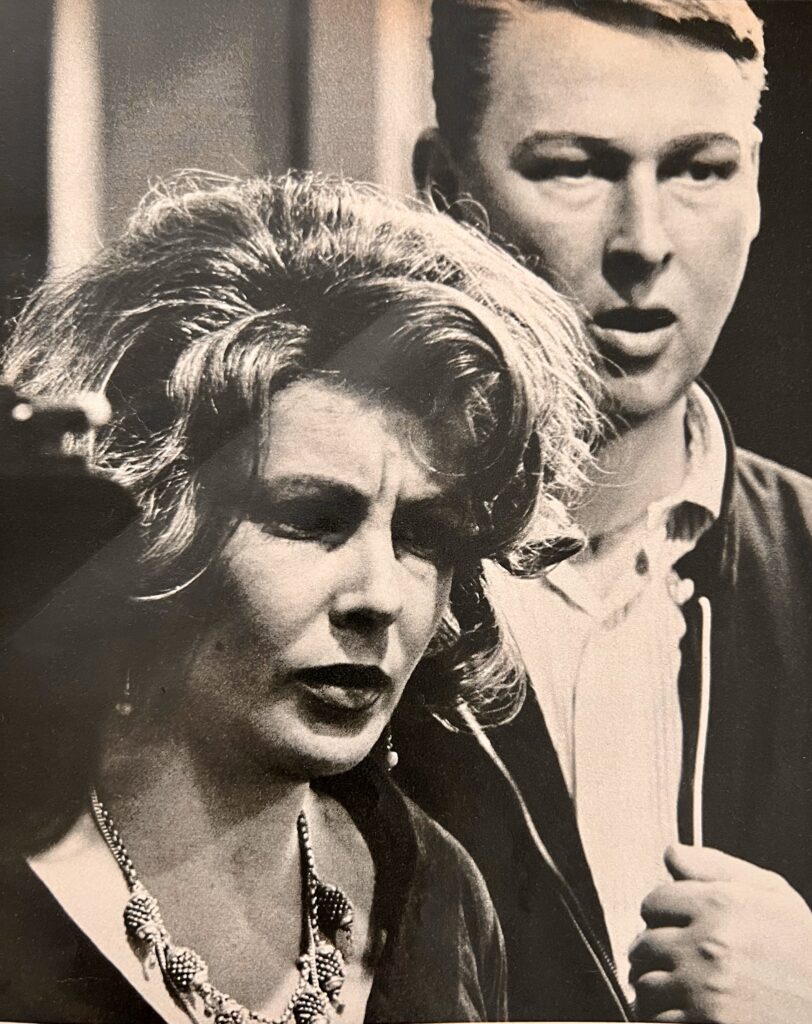
Elizabeth Taylor, who was under the excellent direction of Mike Nichols, proved all these critics wrong and had the last laugh when she later won the Best Actress Oscar for this 1966 tour de force. 

Director Mike Nichols with his star, Elizabeth Taylor

It might be described as the “jewel in her crown.”  Enough about Liz…

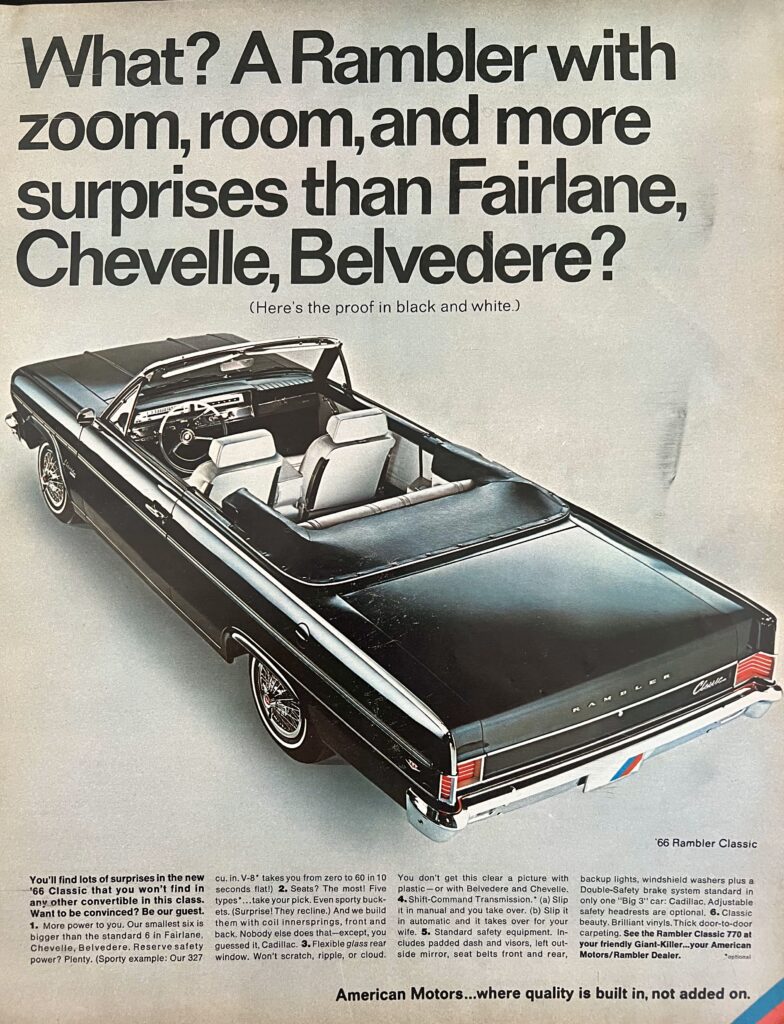
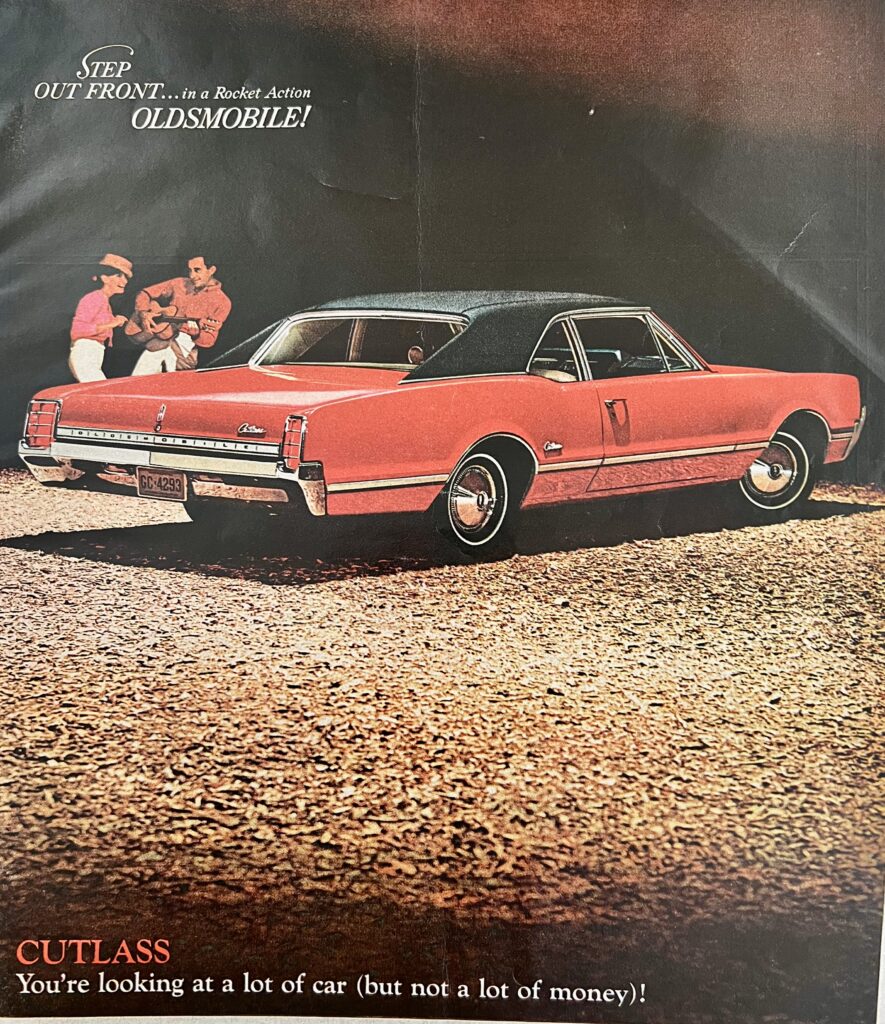
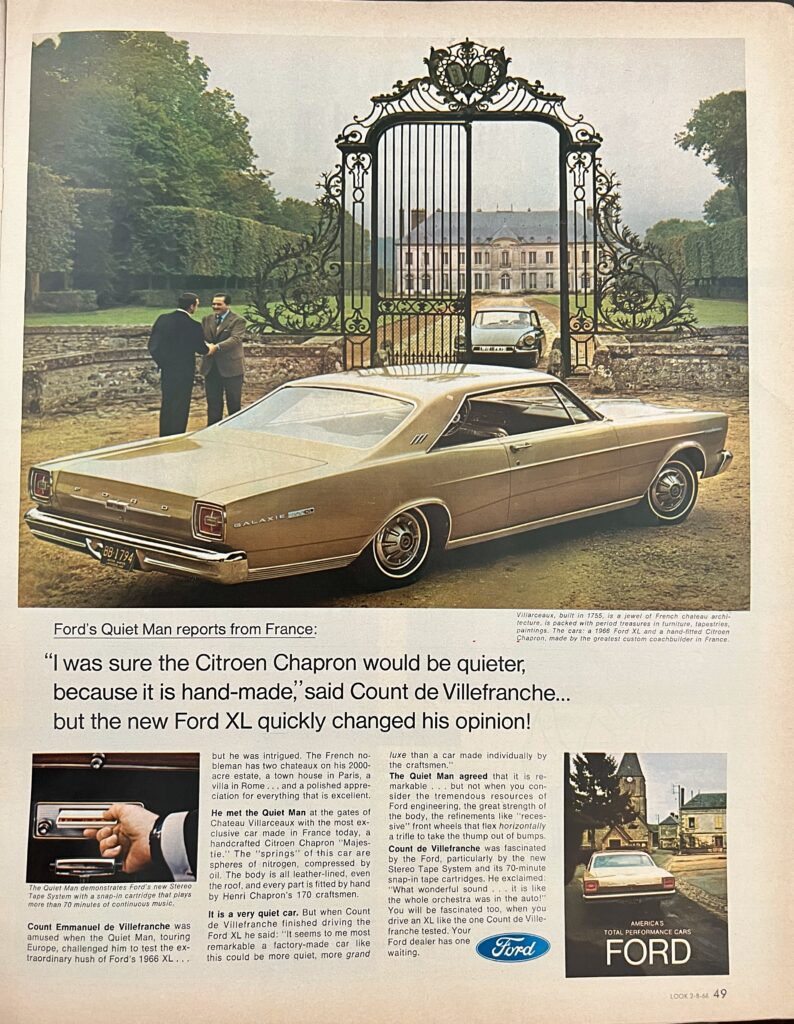
Cars were big business in 1966 and were still very American-centered since the first oil embargo was seven years off.  Featured here are ads for the American Motors “Rambler Classic,” Oldsmobile’s “Cutlass” and Ford’s “Galaxie.” 

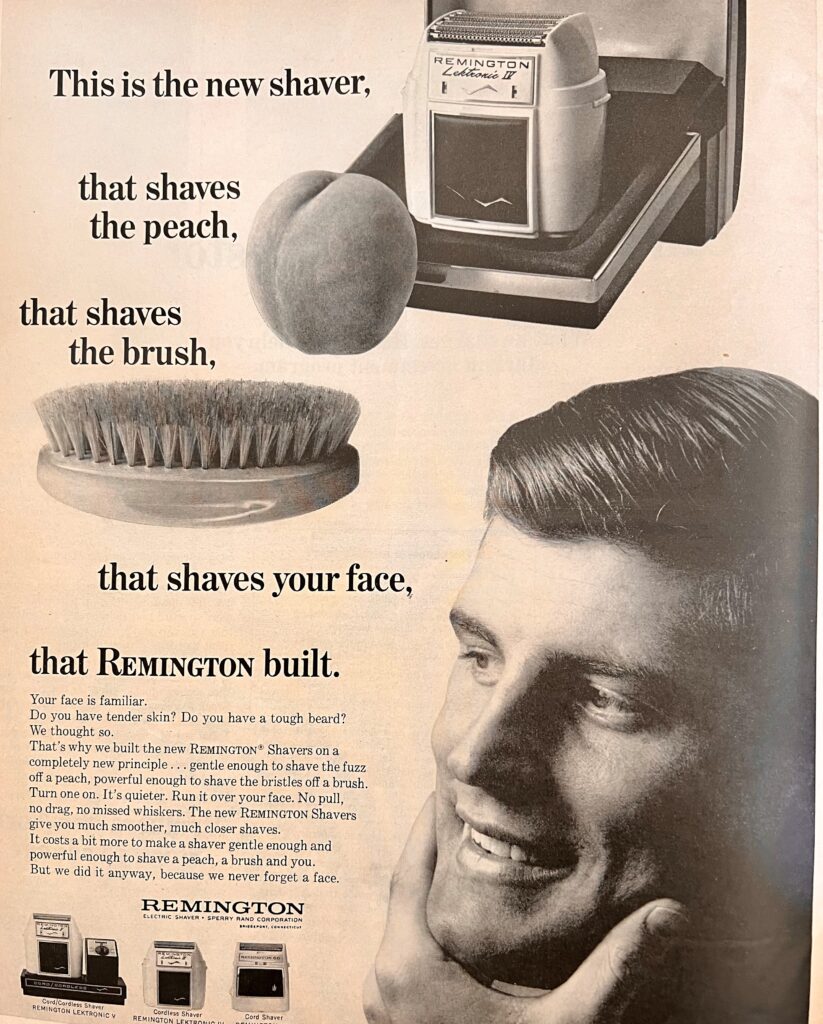
A Remington electric shaver much like the one my grandfather gave me is featured here.  It pinched my skin, so I opted for Norelco’s rotary blade action. 

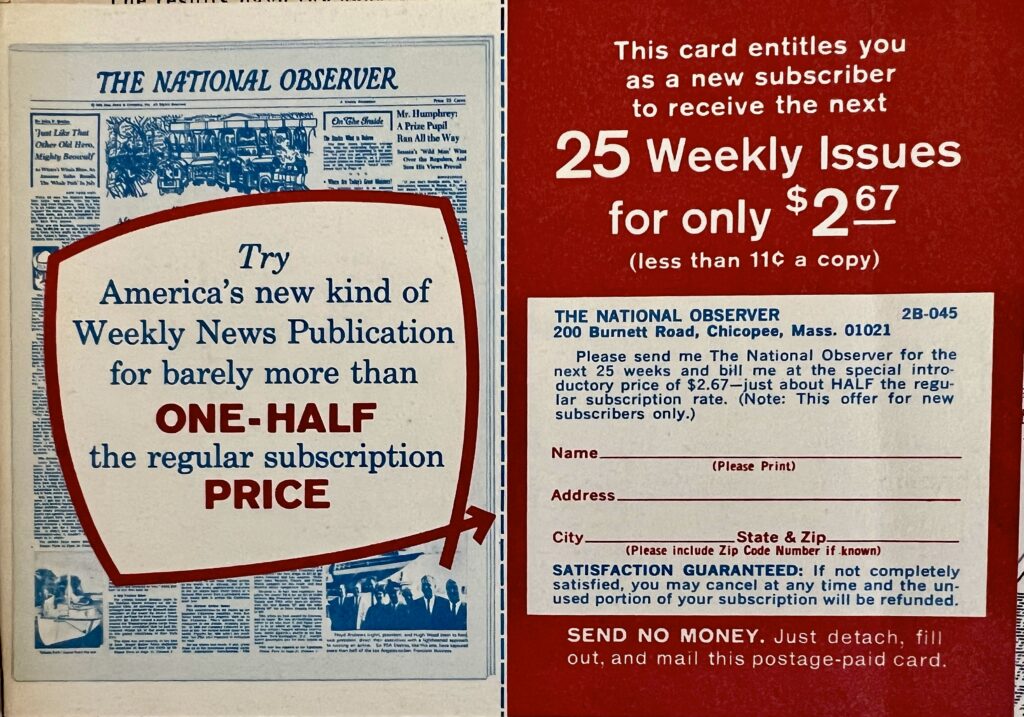
There’s a postcard to mail to the National Observer, a popular news publication of the day.  One could get 25 weekly issues for the low price of $2.67!

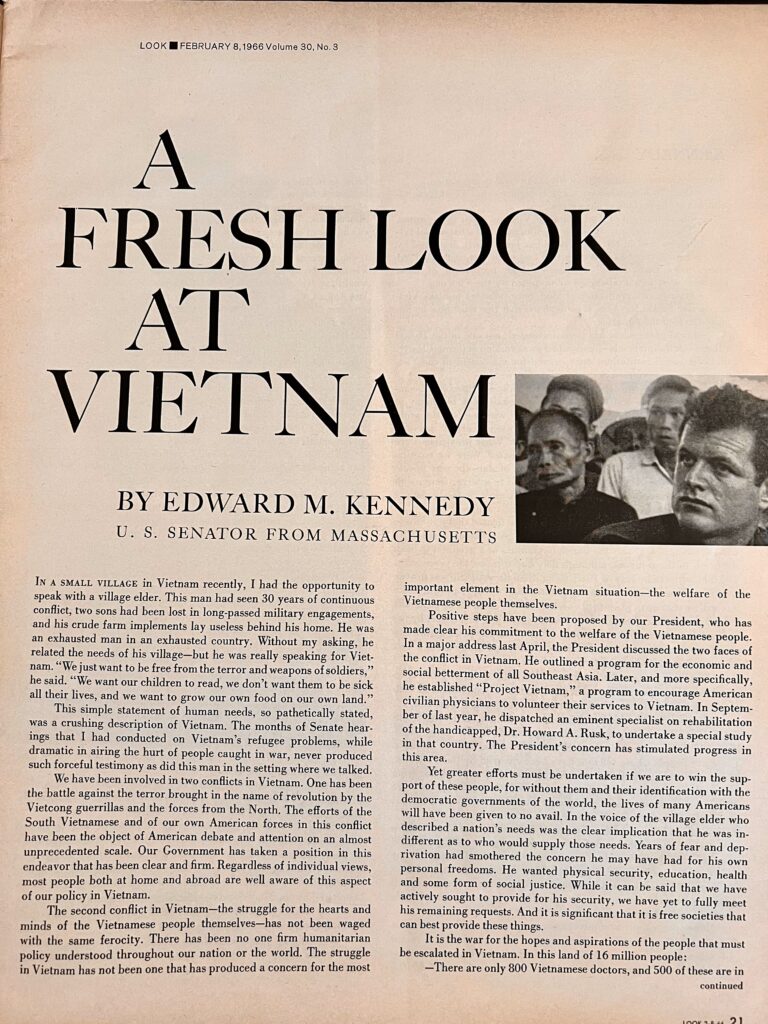
Turning to the more serious side of life, the Vietnam war was very big in ‘66, with the draft in full swing.  Senator Edward Kennedy in his pre-Chappaquiddick days, takes “A Fresh Look at Vietnam.”  Since Lyndon Johnson was his deceased brother’s choice for VP, Kennedy must’ve felt obliged to support what had become a Democratic Party affair.

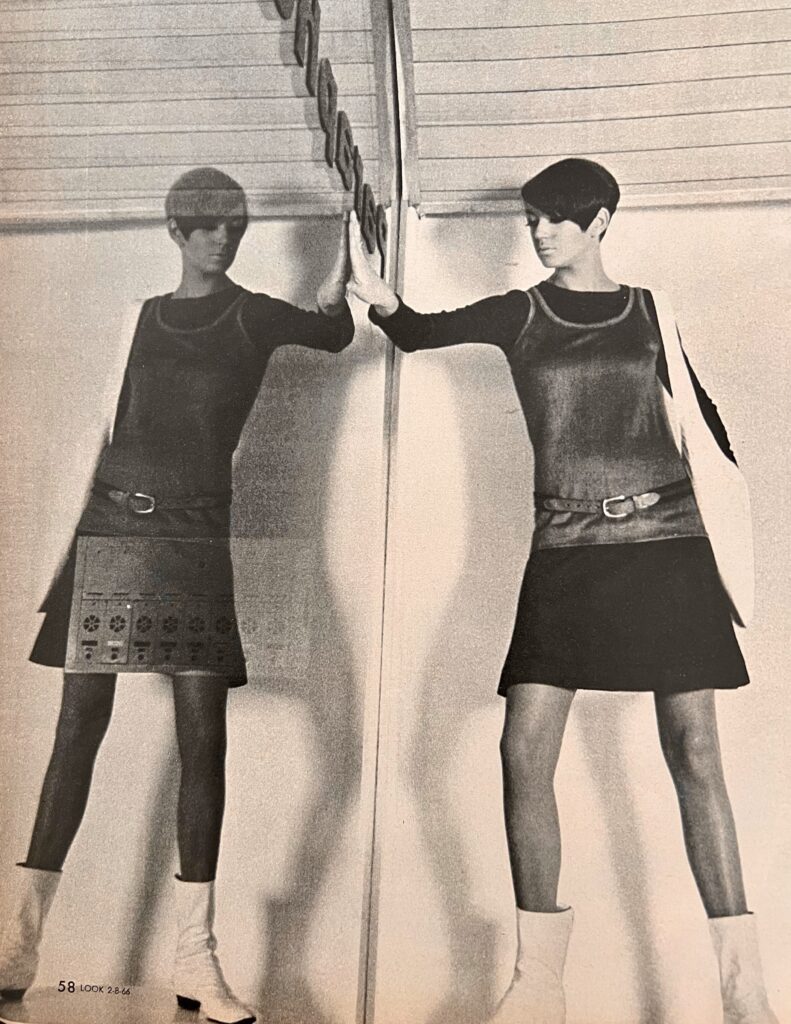
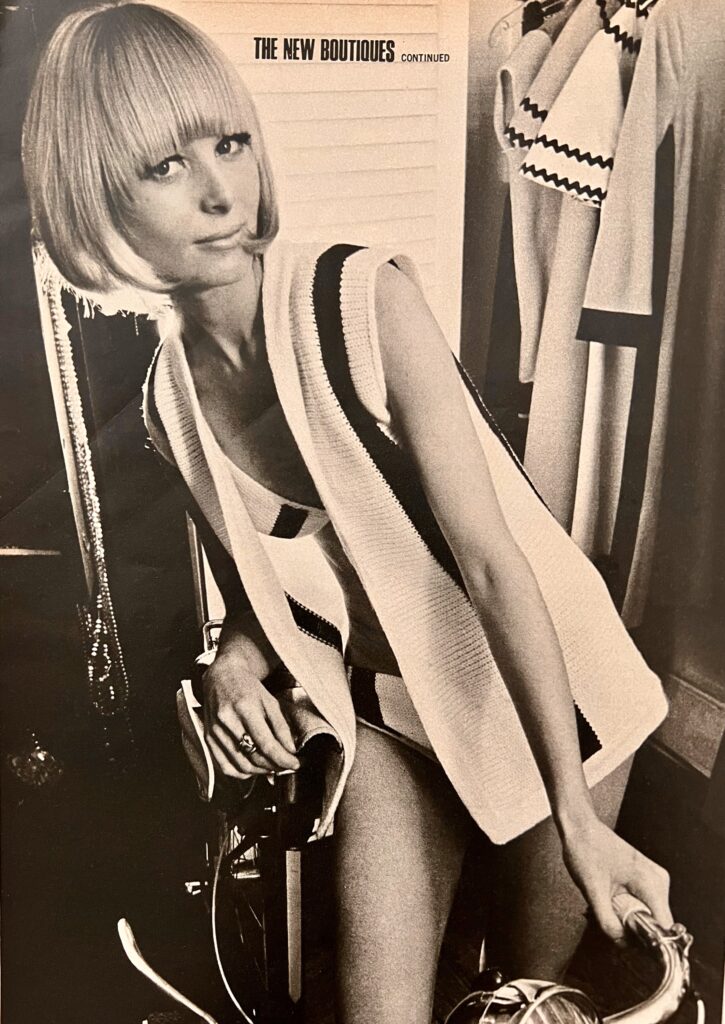
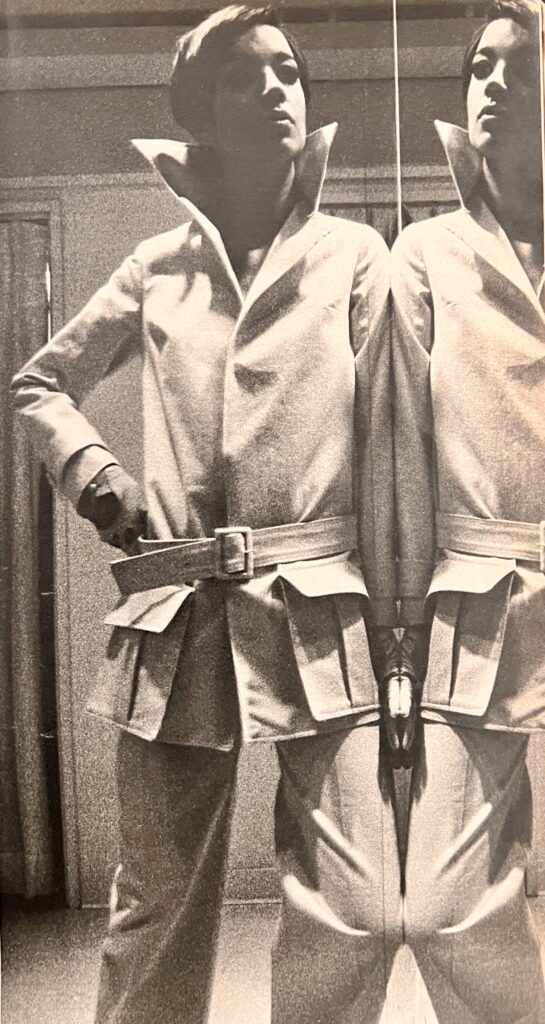
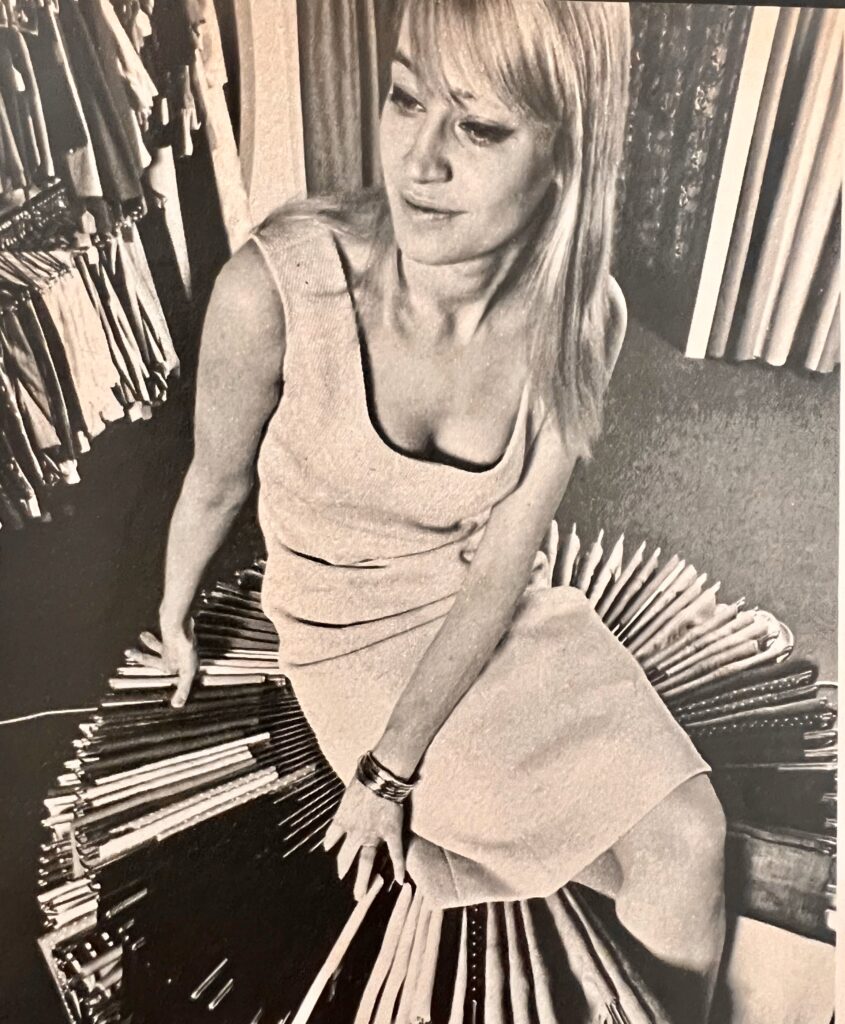
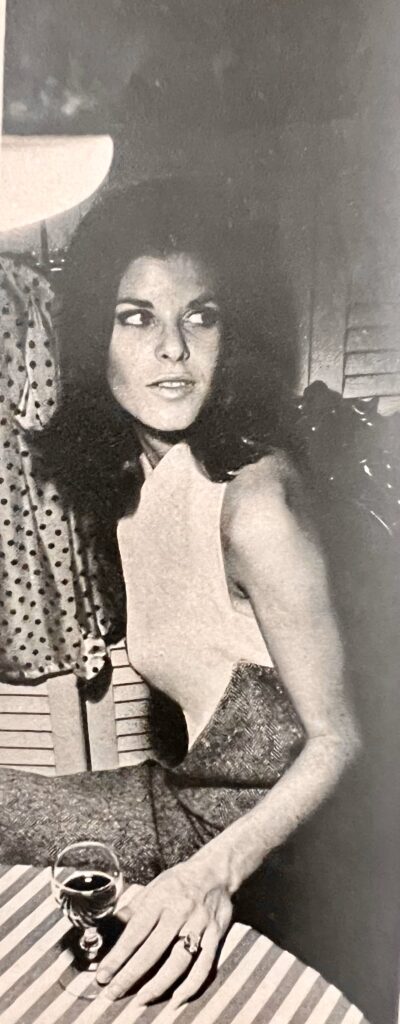
“The New Boutiques- Fashon Showcase for the Young” is dedicated to ‘66 female styles and pictured here are several models, including one celebrity of the day, Mary Travers from the folk group, Peter, Paul & Mary, as well as socialite Stephanie Frederick.

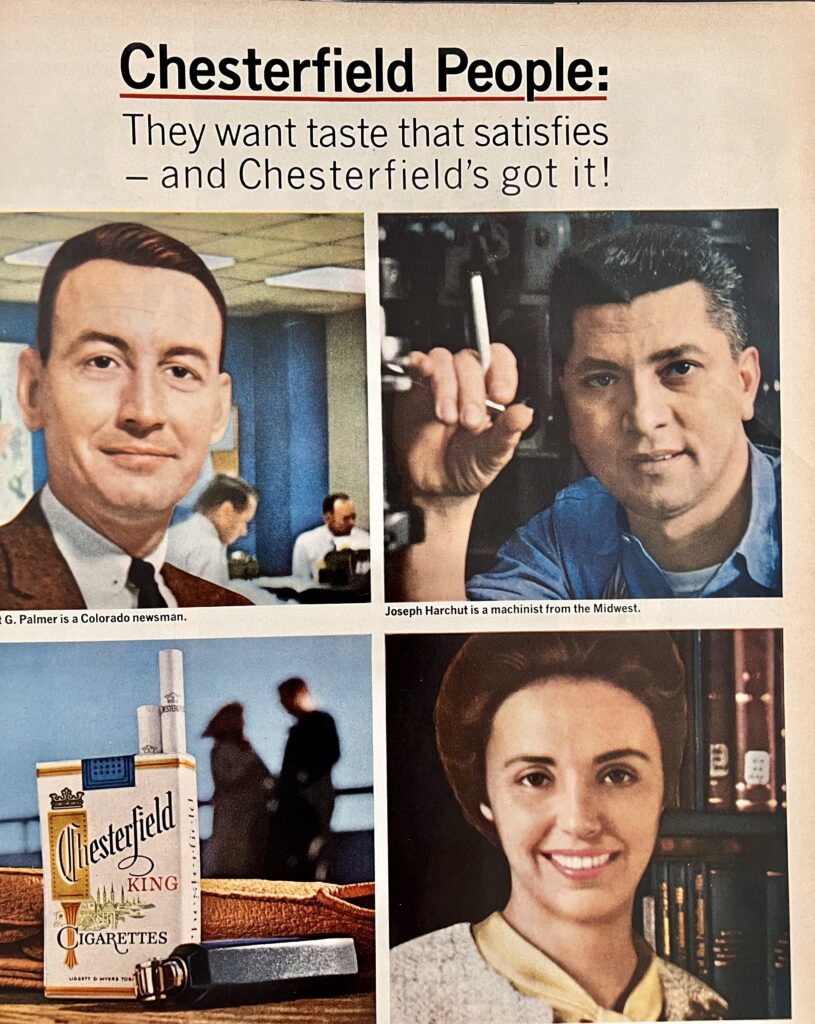
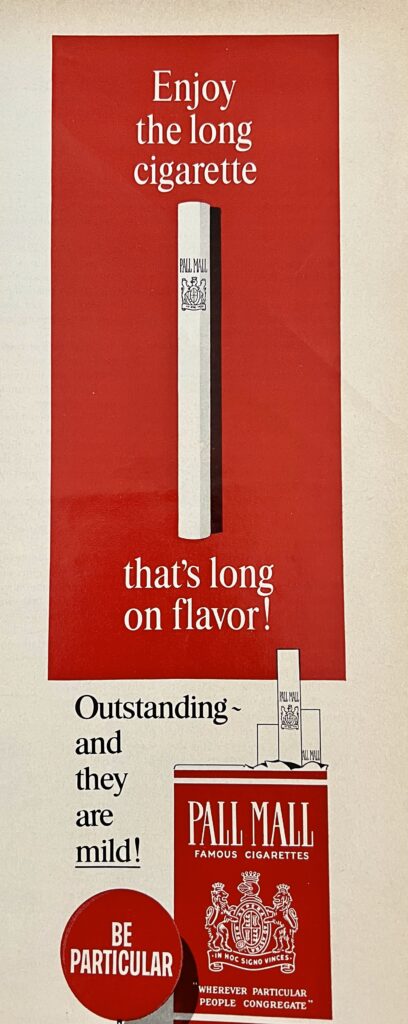
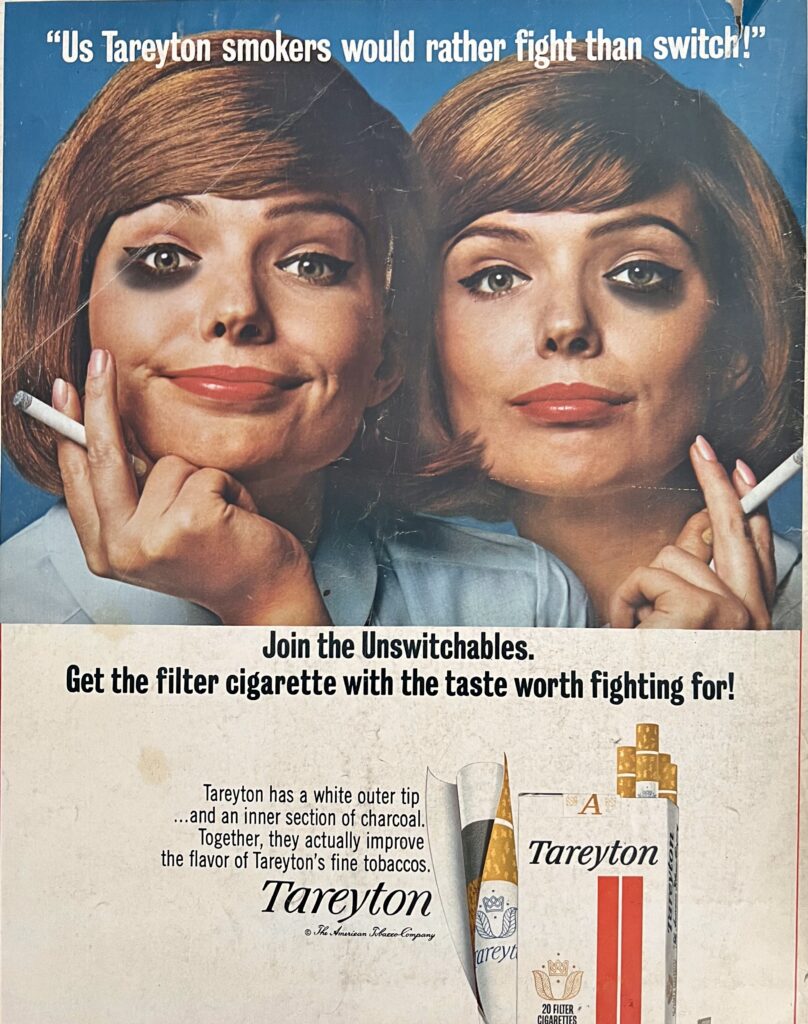
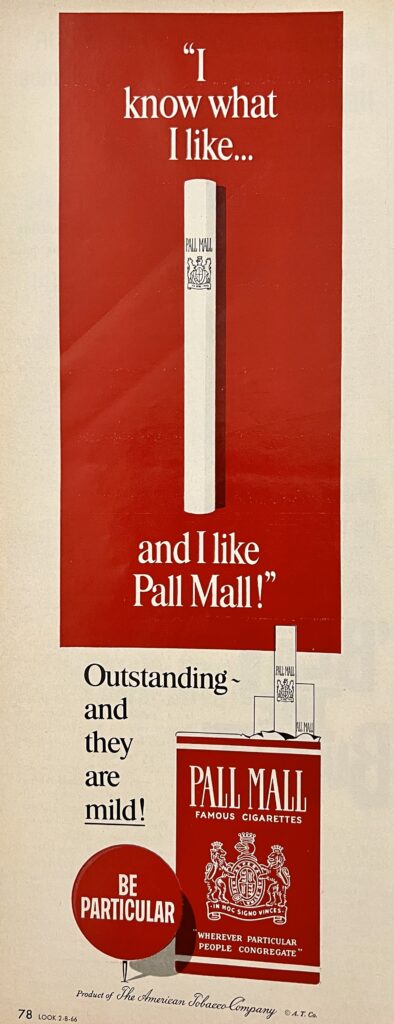
Cigarette ads were the rage during 1966!

They were not yet illegal, which came several years later.  Indeed, it was even before the “hazardous to your health” requirement put into place, later that year as I remember.  Chesterfield (which I never liked) featured an ad, as did Pall Mall (also disliked those) and Tareyton (whose smokers would rather fight than switch).  Please note the black eye look the Tareyton models below invariably had, as if they’d been in a barroom brawl over their cherished cigarette…

Not only did I dislike Tareyton cigarettes intensely with the infamous charcoal tip, I was also hostile to the big hoopla that followed when someone pointed out to Tareyton’s manufacturers that their slogan “Us Tareyton smokers would rather fight than switch!” was grammatically incorrect and should be, “We Tareyton smokers would rather fight than switch!”

What, pray tell, happened as a result of this fracas? Tareyton retaliated by releasing a new slogan, “What do you want, good grammar or good taste?”

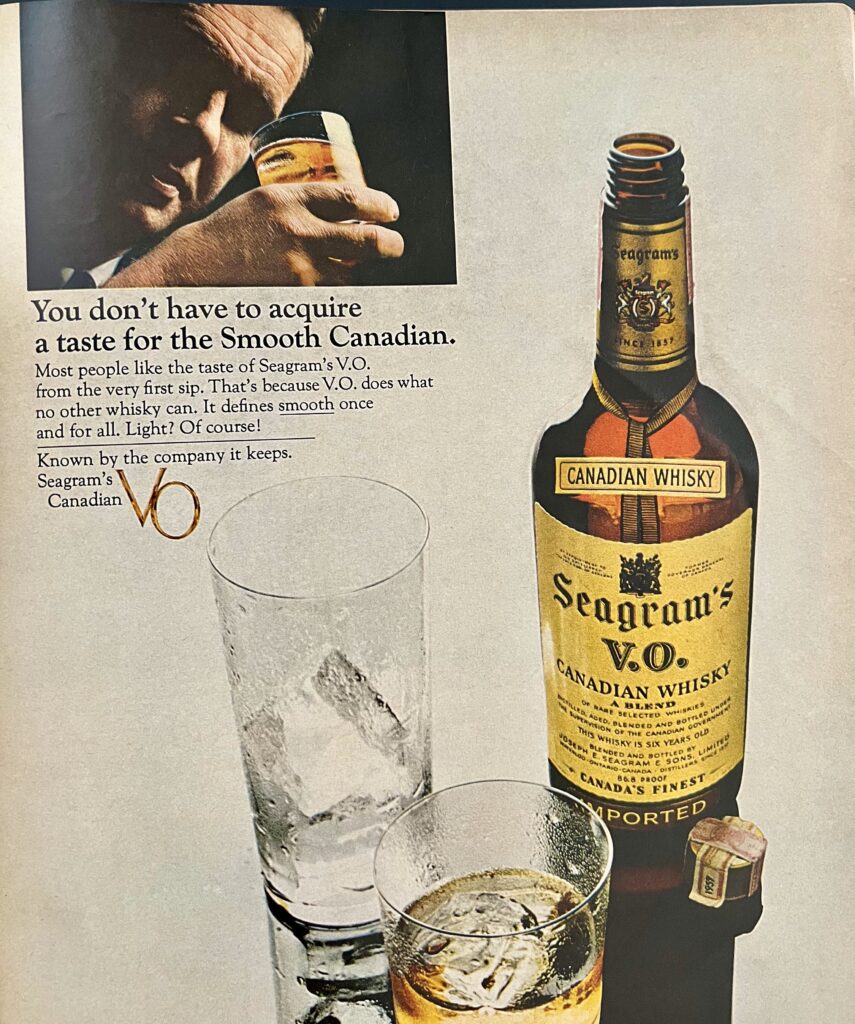
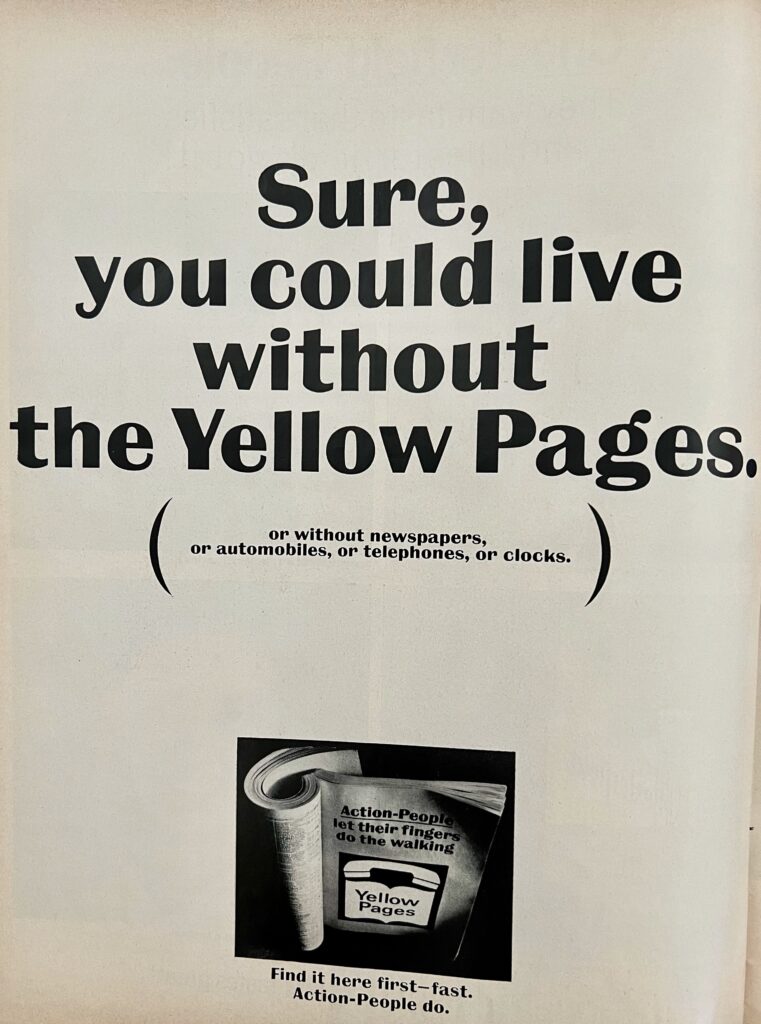
Following the cigarette blurbs, there’s a liquor spread featuring a popular Canadian whisky of the day, Seagram’s, followed by a Yellow Pages promo since this book was still essential to everyone’s daily life, be they merchant or consumer.

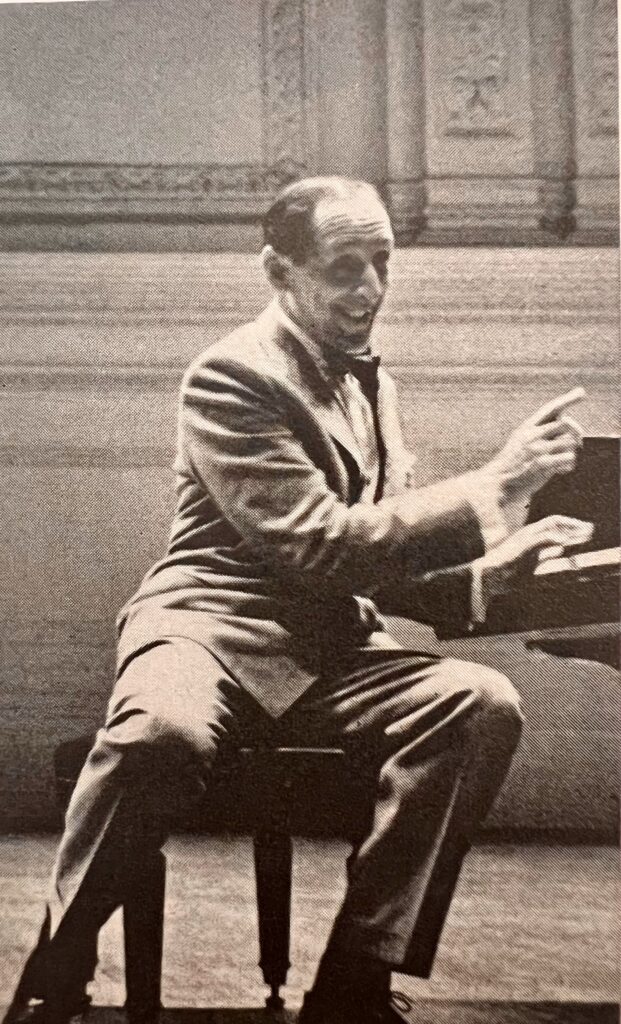
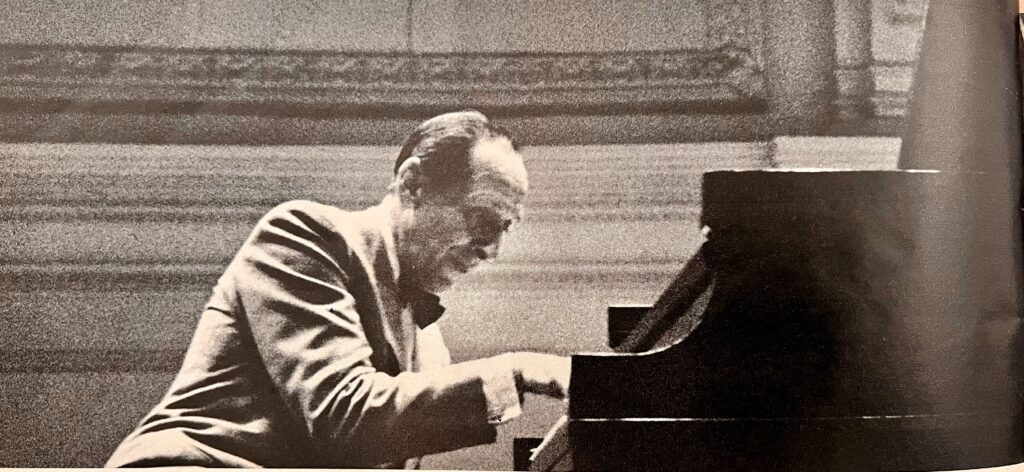
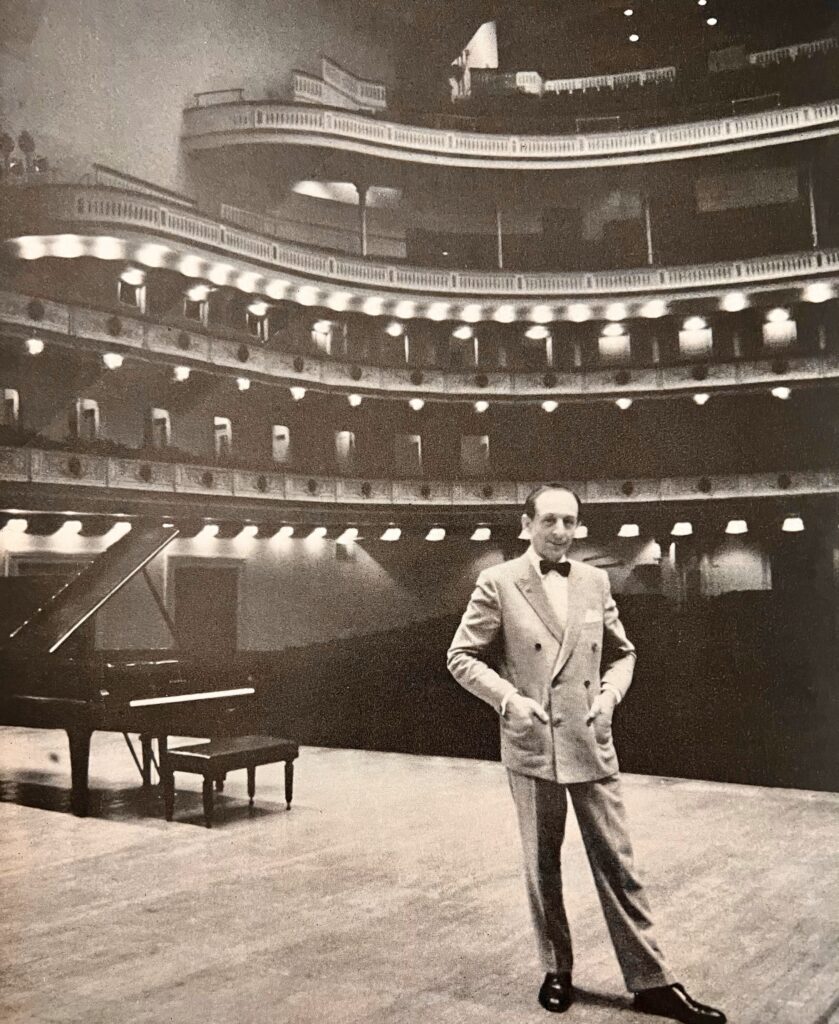
A popular pianist of the era is featured next with Look’s “A Visit with Vladimir Horowitz.”

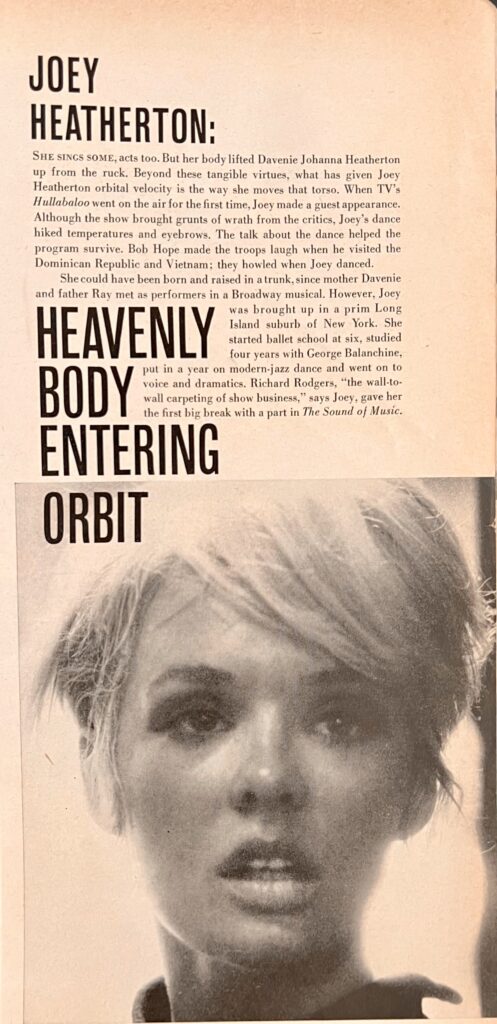
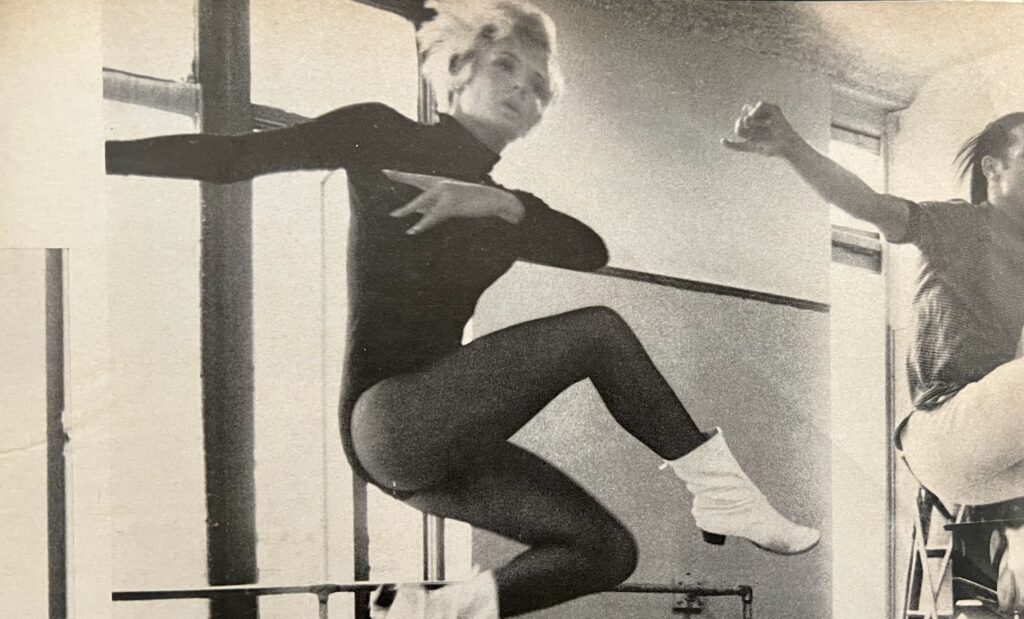
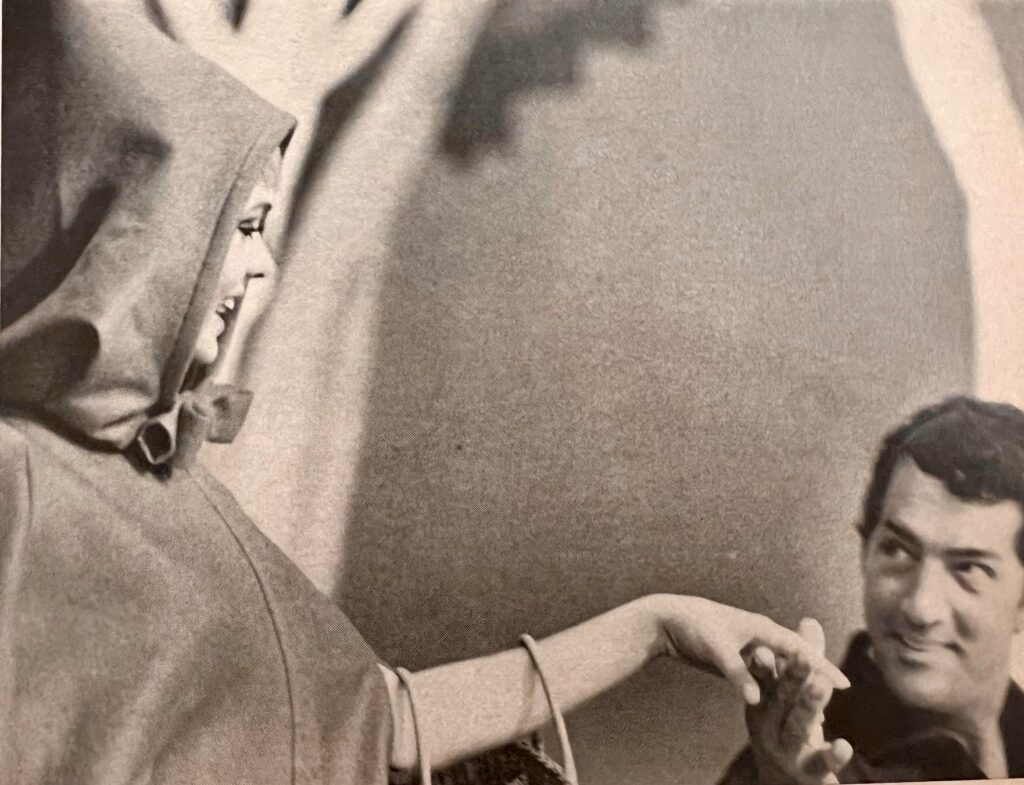
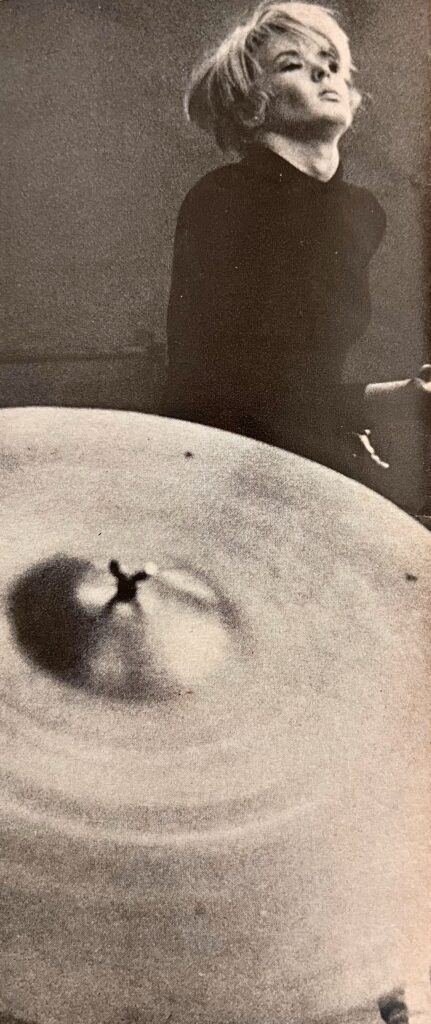
Look dedicates a final feature, “Joey Heatherton:  Heavenly Body Entering Orbit,” to a popular singer/dancer of the era, thanks to TV’s The Dean Martin Show.  Heatherton also toured with Bob Hope, entertaining U.S. troops from 1965 to 1977, but after that, Joey’s star faded rapidly.  Her name later became entangled with certain psycho-incidents that are best left swept under the proverbial rug…

Until next time…
Categories
Hollywood, Broadway & More! Memorial Miscellaneous Sex Symbols

Keith’s Theatre, 6/1/25

(Love those old magazines, don’t ’cha know…)

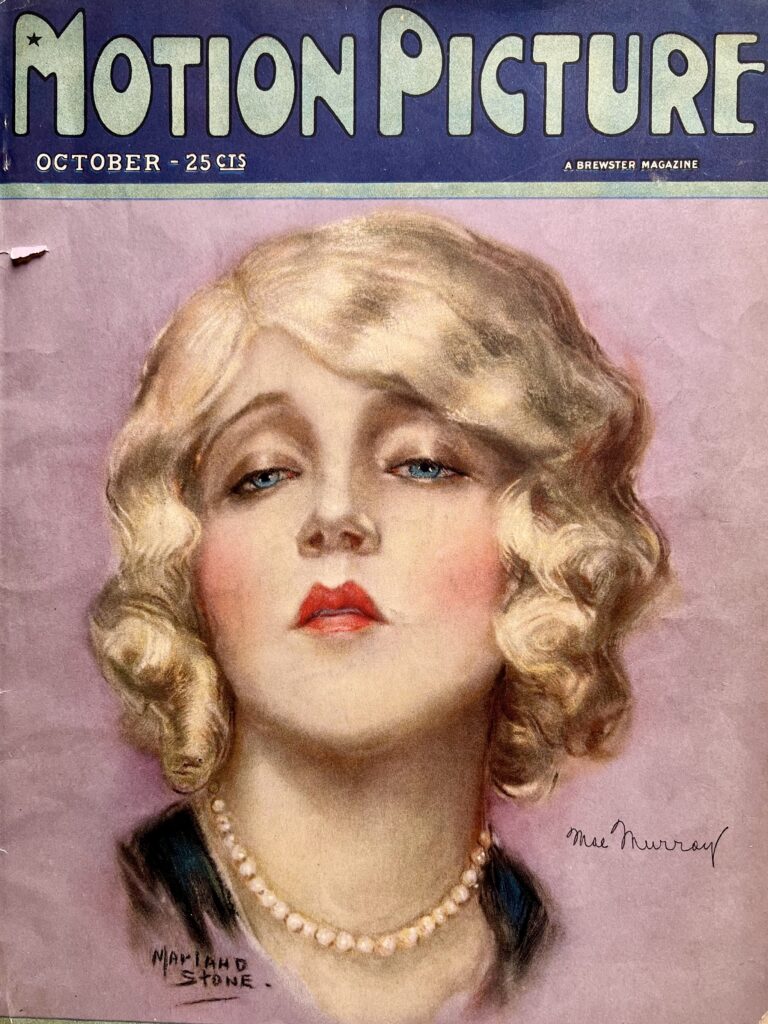
As I thumbed through the pages of my collection of hard copy media this week, I found a few fun pages to share from my October 1925, edition of “Motion Picture” magazine.

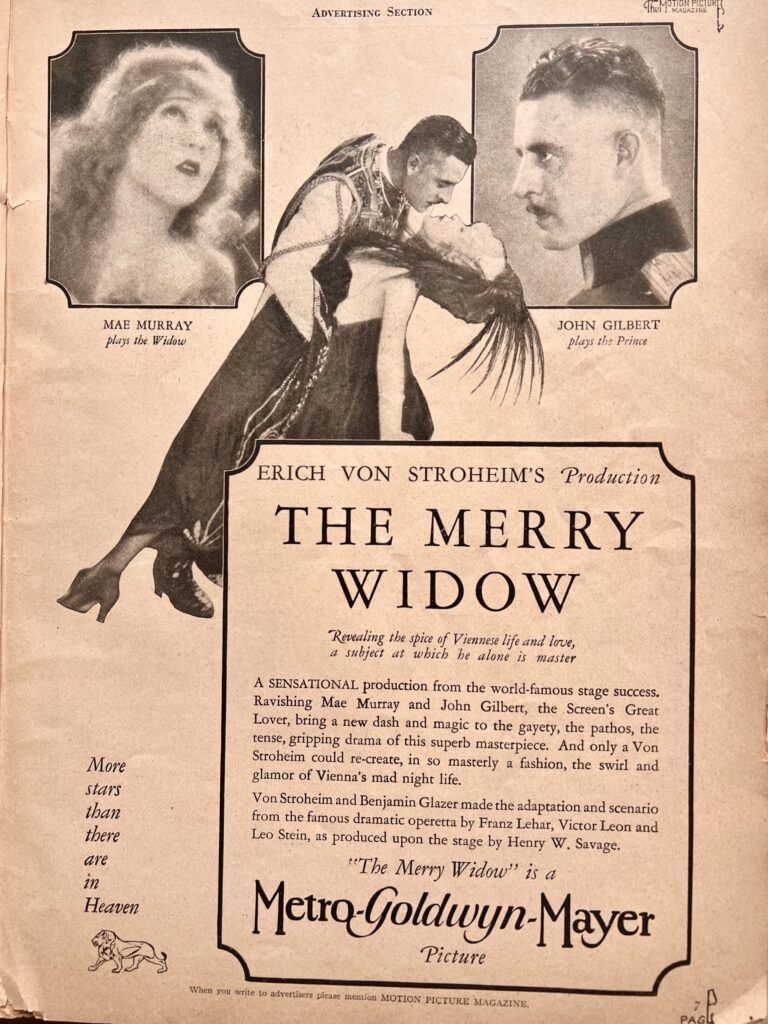
Mae Murray was clearly in the spotlight that year since the MGM film, The Merry Widow, had been released and was performing quite well at the box office.  A full-page ad for the popular film, directed by Eric von Stroheim, starring Mae Murray and John Gilbert, is found on page 7. 

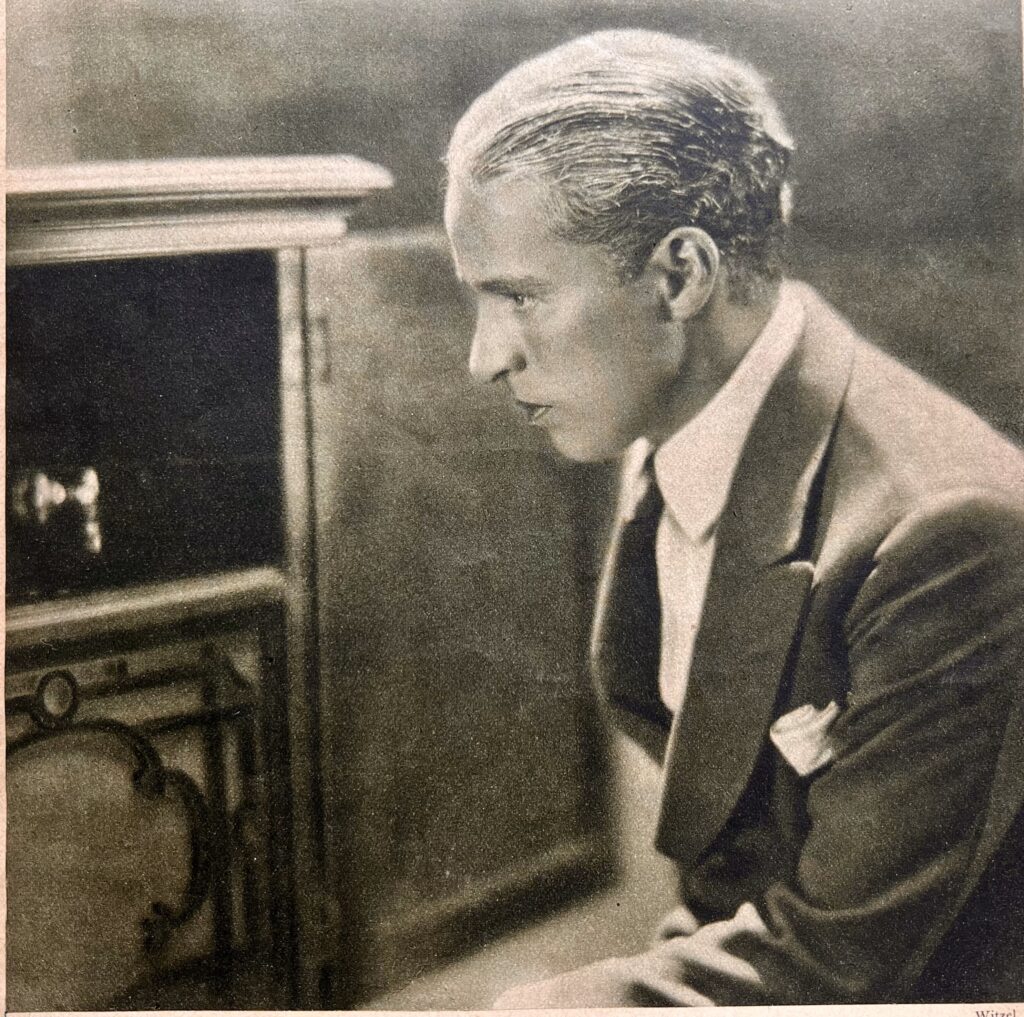
At the time, the magazine featured “Our Portrait Gallery,” and many photographs are found therein, including one of popular comedian, Charlie Chaplin, as well as Phyllis Haver, a leading silent actress of the day.

On page 22, we encounter handsome leading man, Rod La Rocque letting readers know what the well-dressed man will wear this autumn.  Leatrice Joy, a beautiful leading lady of that era, does the same for women on page 23, as she sports some of the latest 1925 fall designs.  Miss Joy was well known for her extravagant fashion sense and was rarely upstaged by any other star, apart from Gloria Swanson. 

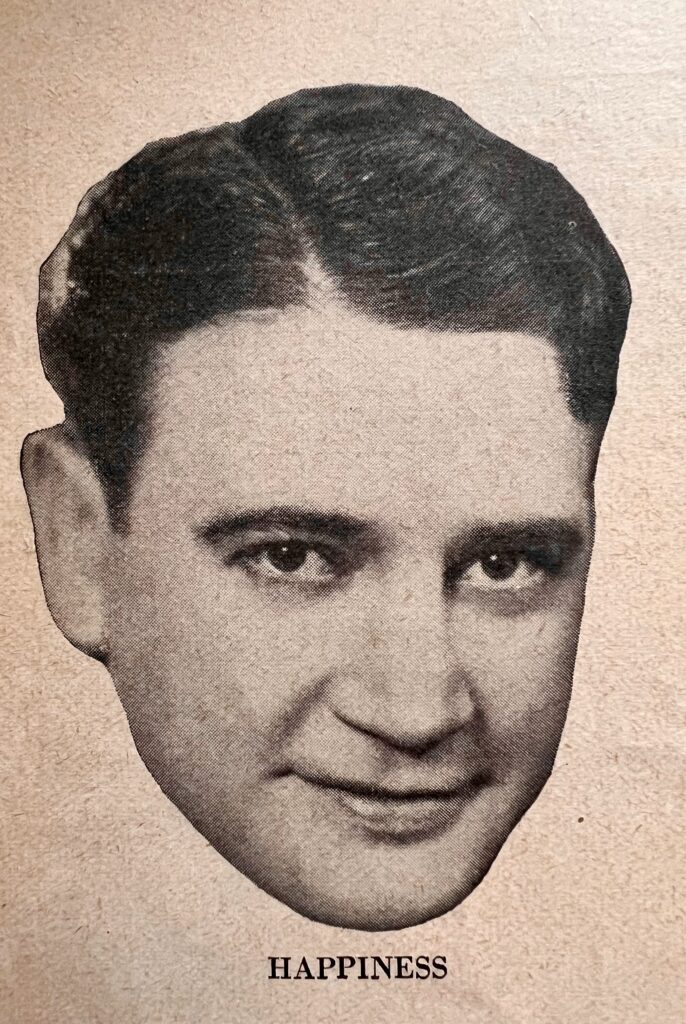
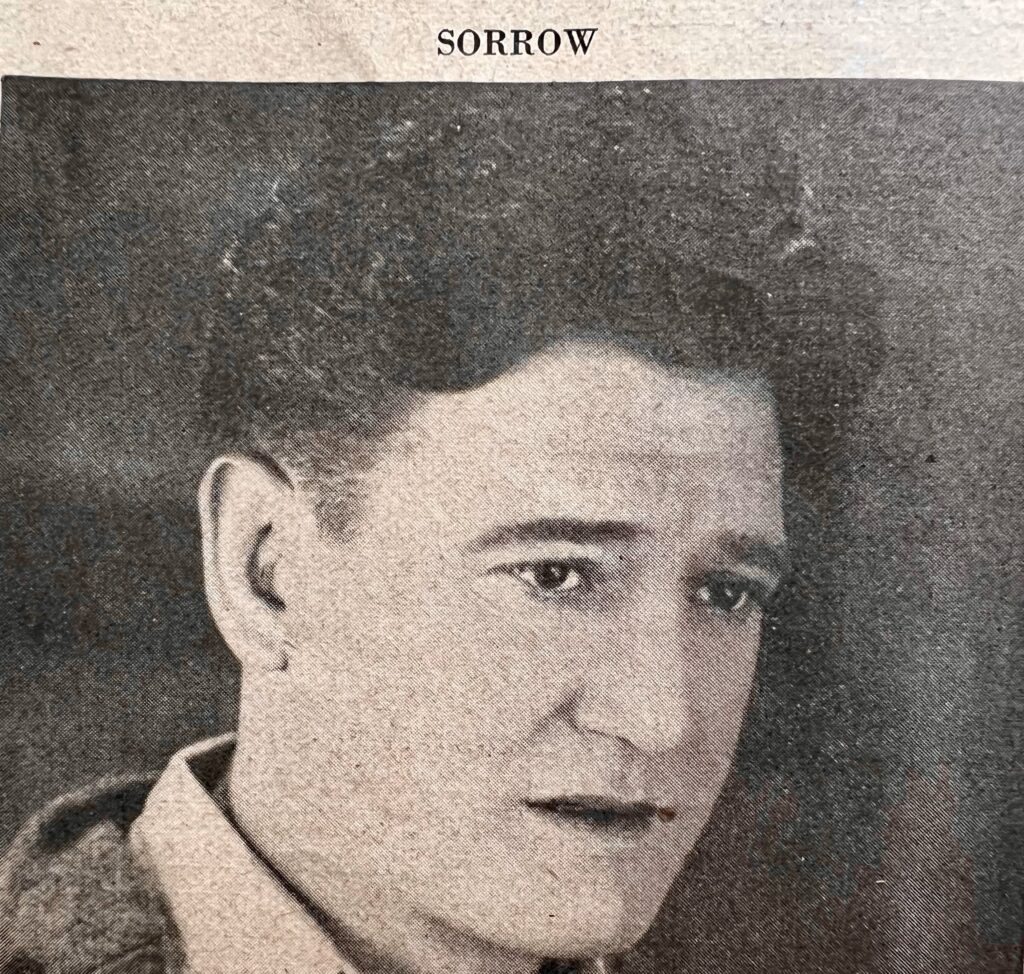
Page 28 gives us popular leading man Richard Dix, showing his plethora of actor’s “emotions.”  Dix was more noted for his rugged good looks and physique, and less so for his histrionics. 

Pretty obvious, wouldn’t you say?

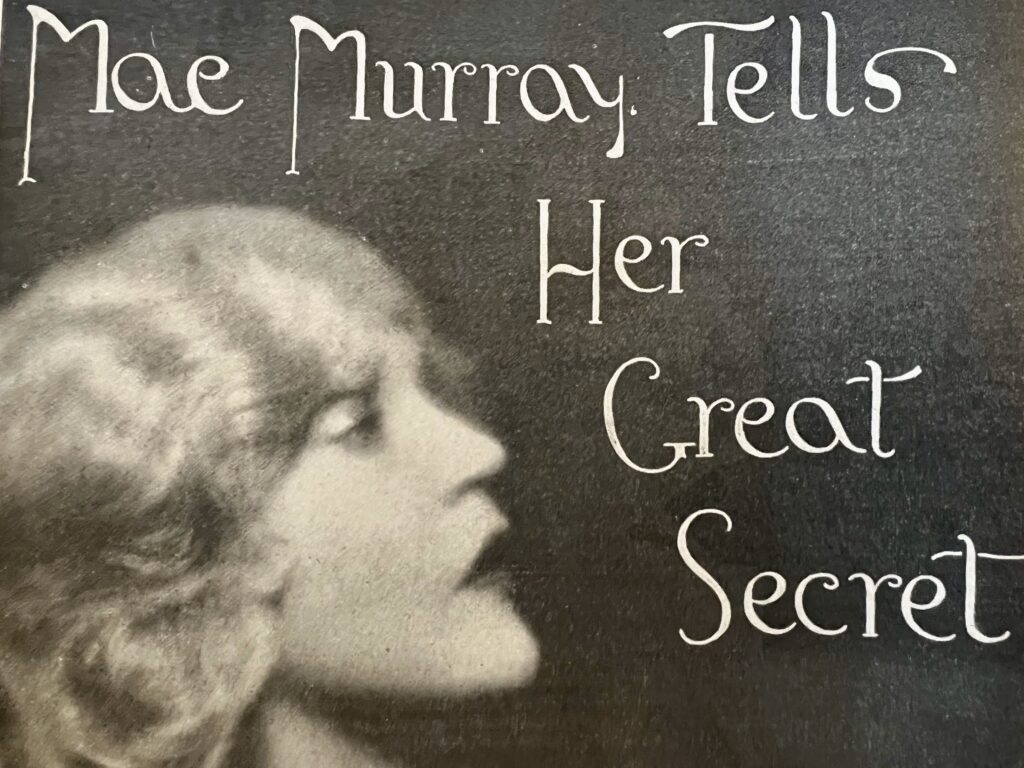
On page 32, “Mae Murray Tells Her Great Secret.” We are promised by writer, Homer Currie, that Mae will reveal her life plan and her philosophy the very one that ensured her the enormous success she’d achieved as an actress.

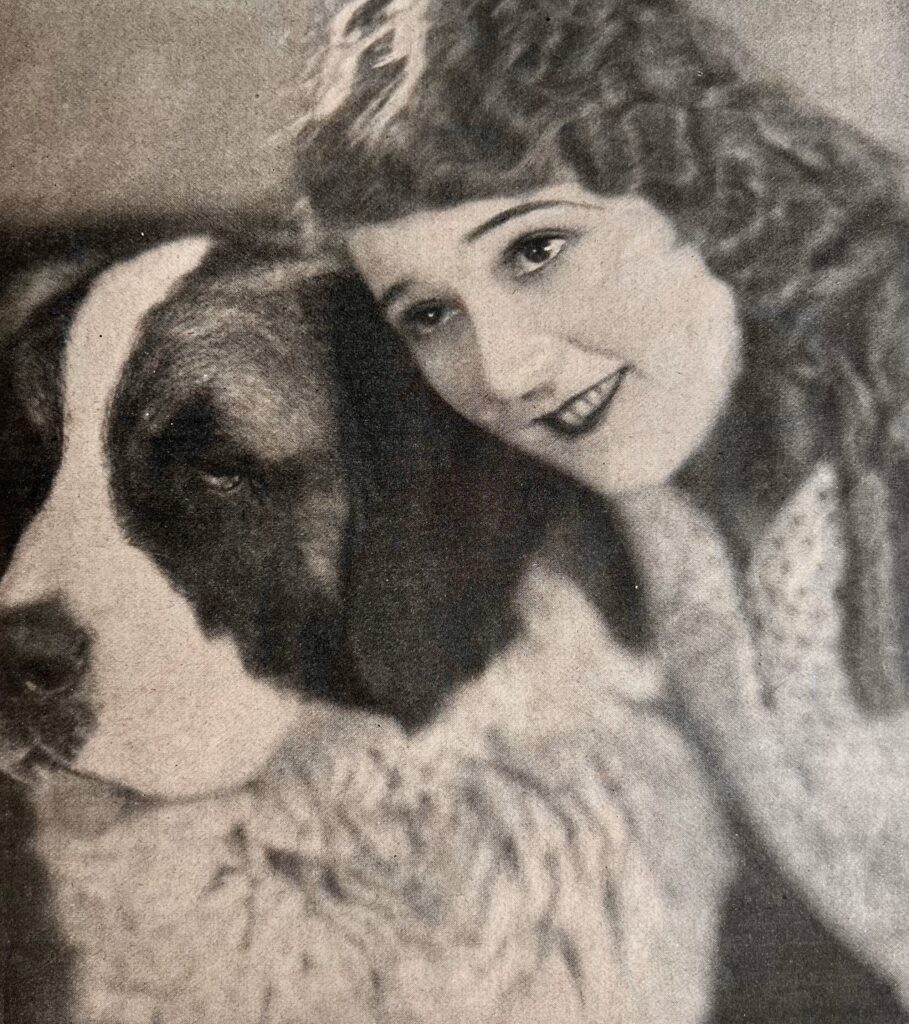
Slobbering in on page 41 is the new St. Bernard pooch called Robin Hood, at the Pickfair estate, where actress Mary Pickford resided at the time with her actor husband, Douglas Fairbanks.  Their estate hosted all sorts of entertainment and political celebrities from around the globe, and occasionally, even royalty would pop in.

You recall hearing about the Pickfair estate, don’t you? Wannabe actress and singer, Pia Zadora (of Santa Claus Conquers the Martians fame), had it bulldozed to the ground, don’t ’cha know…
Mary Pickford, queen of the Pickfair estate, with “Robin Hood” the St. Bernard

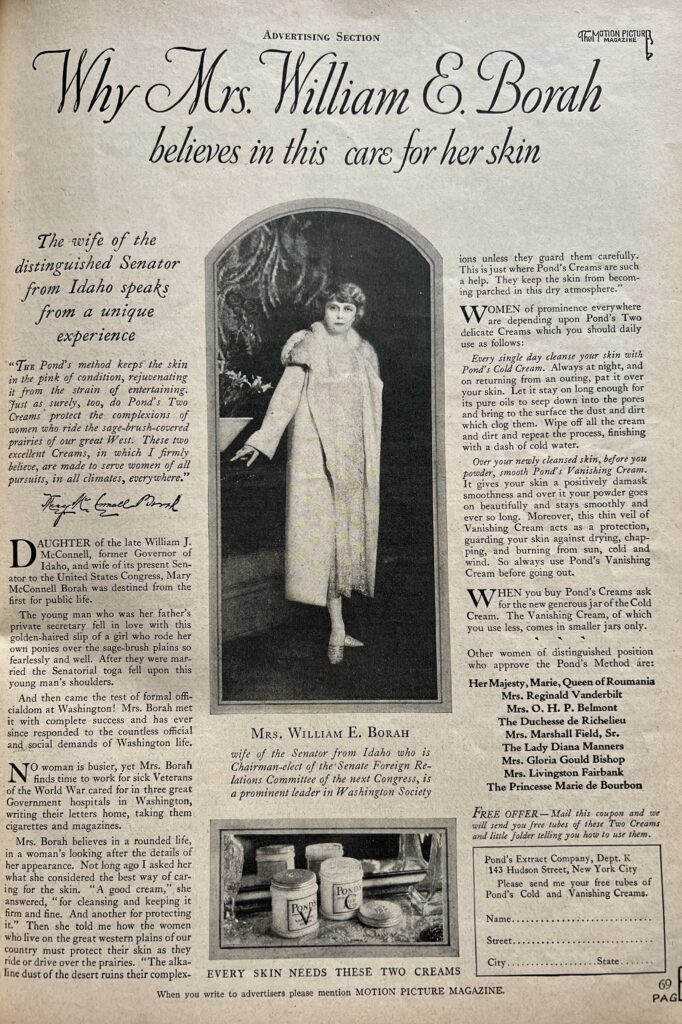
The feature from page 69 has one Mrs. William E. Borah, wife of the senator from Idaho, giving her skin care secrets.  Guess what, ladies? She uses Pond’s cold cream and vanishing cream.  FYI, they’re still available!

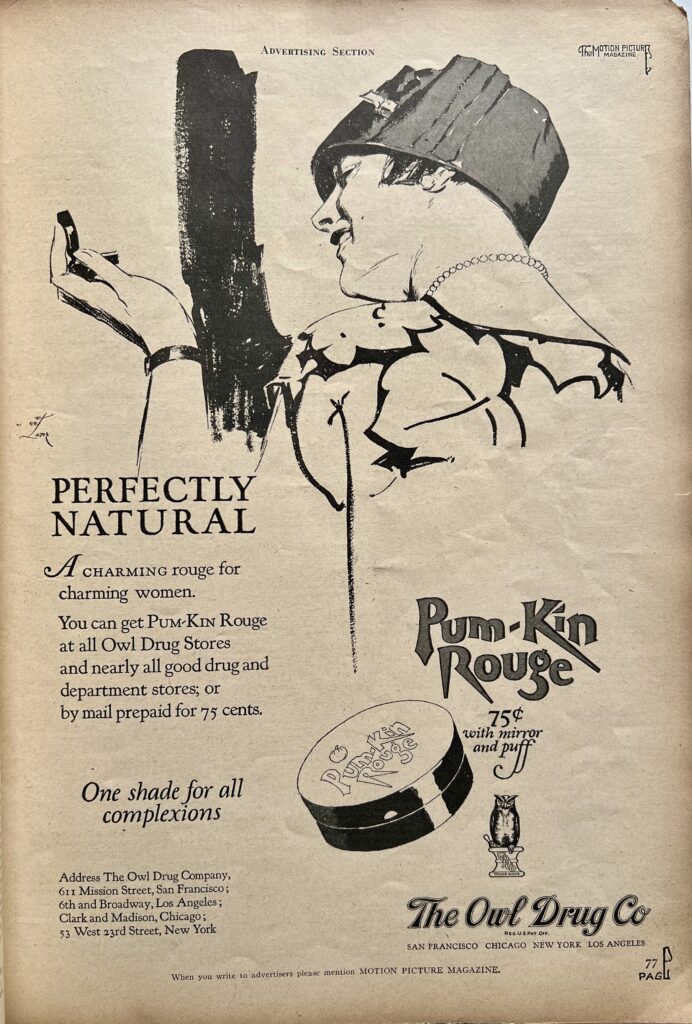
A few pages later, on page 77, we find an advertisement for “Pum-Kin” rouge, which was all the rage back in the day.  My very own grandmother used rouge, which was applied oh-so-sparingly with its own little cosmetic puff (although a lot of women just used a wadded-up cotton ball, as I recall).

Why was it used so sparingly, you ask? Because it was easy to “misinterpret the situation,” should one apply it a bit to liberally!

Got the picture? Women would sometimes end up looking like “sl*ts.”

Probably going to get all kinds of hassles for that little remark by my lady friends, don’t ’cha think?

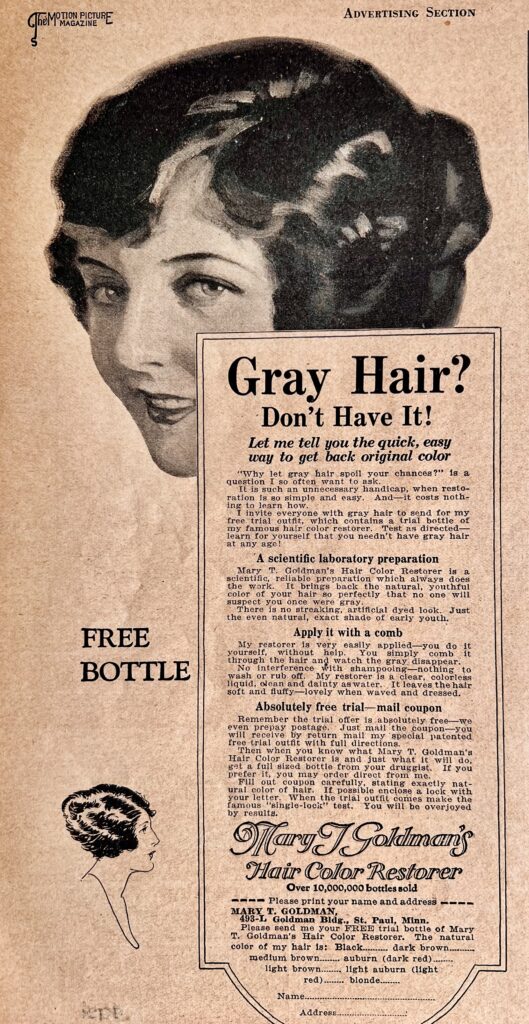
Page 118 brings us to the free bottle offer from “Mary T. Goldman’s Hair Color Restorer.”  We are asked to write to Mary T. Goldman, 493-L Goldman Building, St. Paul, Minn., for the free sample of hair dye.  Notice how there is no zip code given.  This predates zip code usage, even the 2-digit zone code period of my youth.

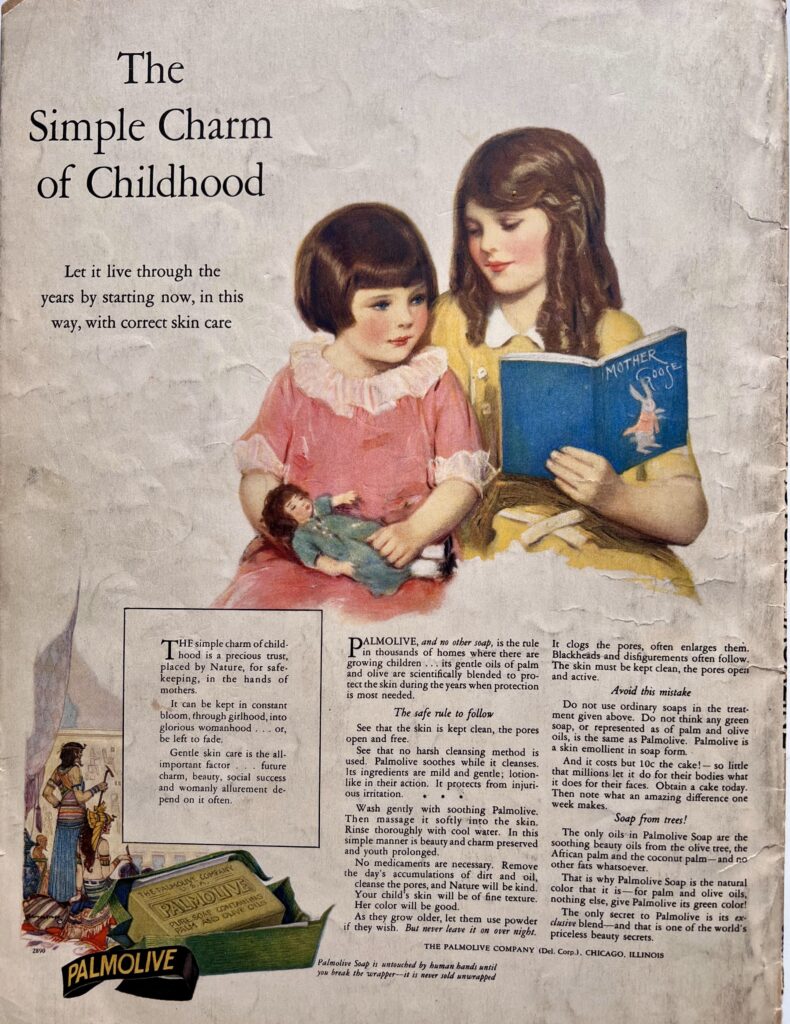
And finally, the back cover ad for Palmolive bar soap is found.  At the bottom of the page, we read that “Palmolive Soap is untouched by human hands until you break the wrapper – it is never sold unwrapped.”

Until next time…