Categories
Hollywood, Broadway & More! Memorial Miscellaneous Sex Symbols

Keith’s Theatre, 6/1/25

(Love those old magazines, don’t ’cha know…)

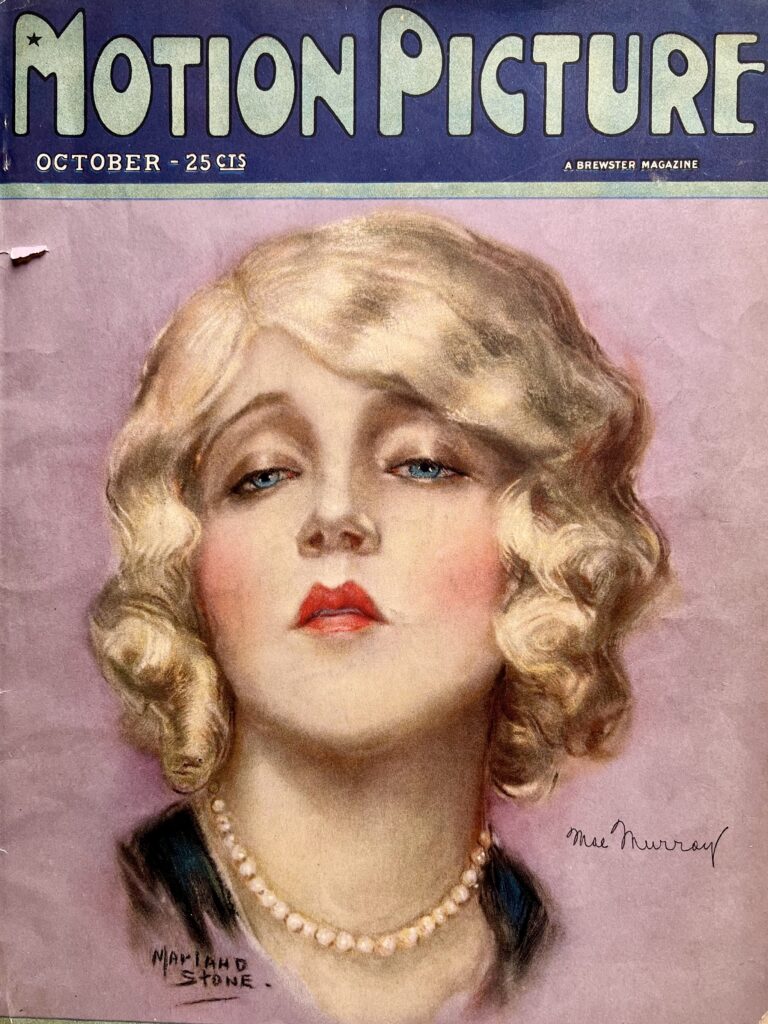
As I thumbed through the pages of my collection of hard copy media this week, I found a few fun pages to share from my October 1925, edition of “Motion Picture” magazine.

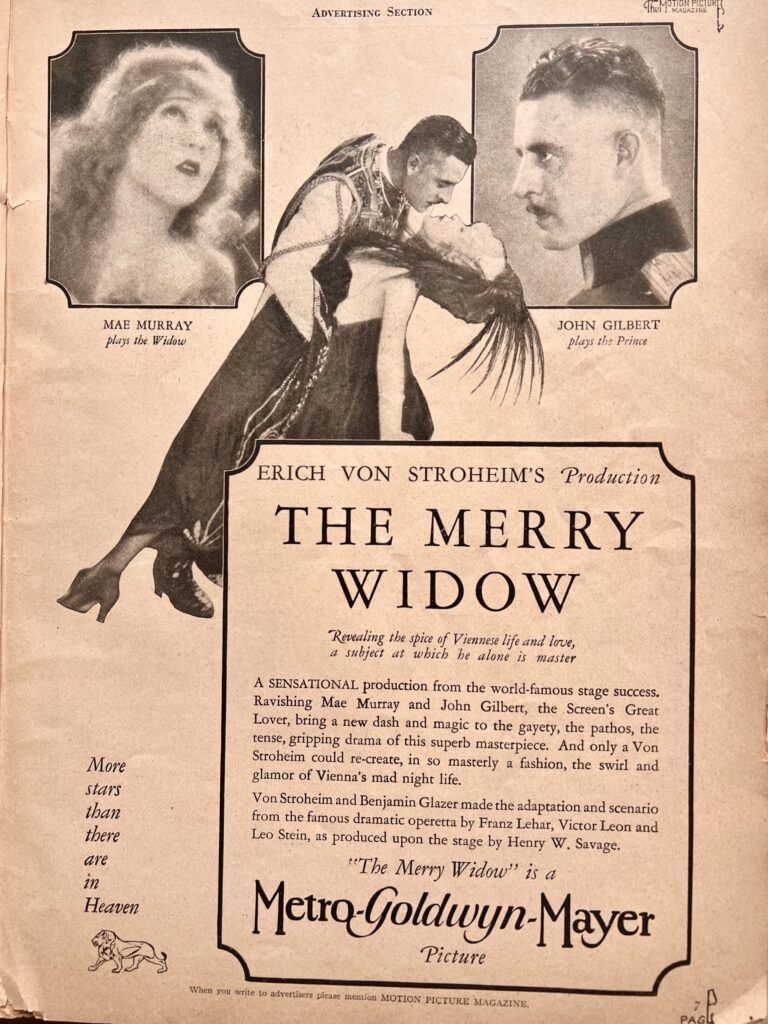
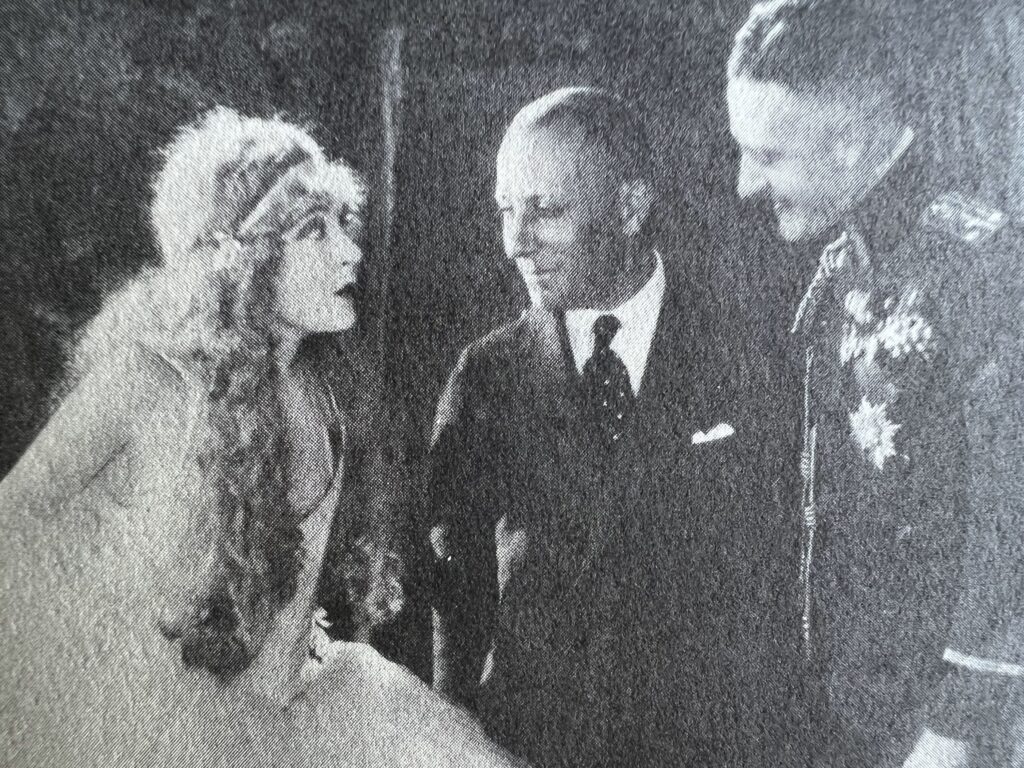
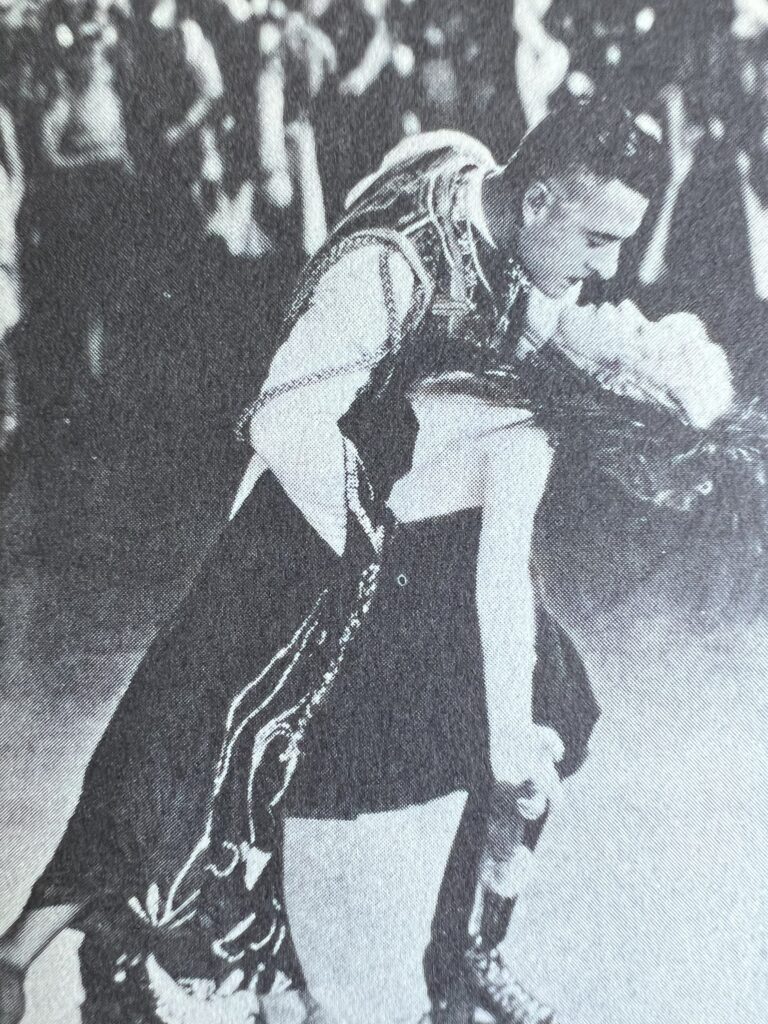
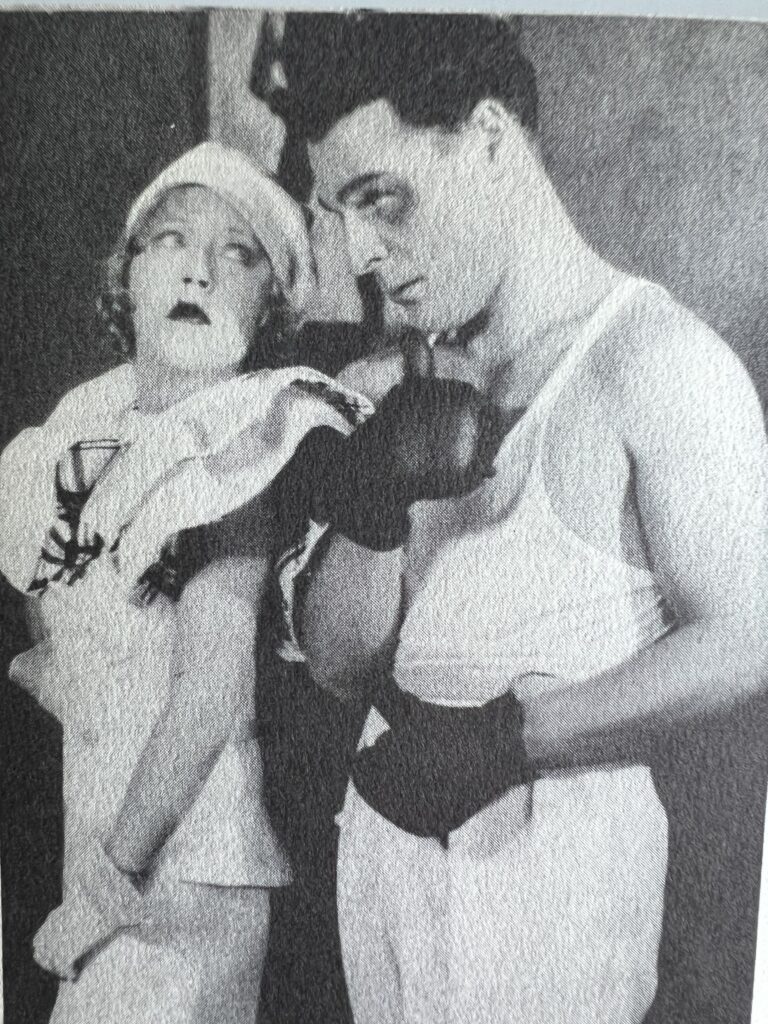
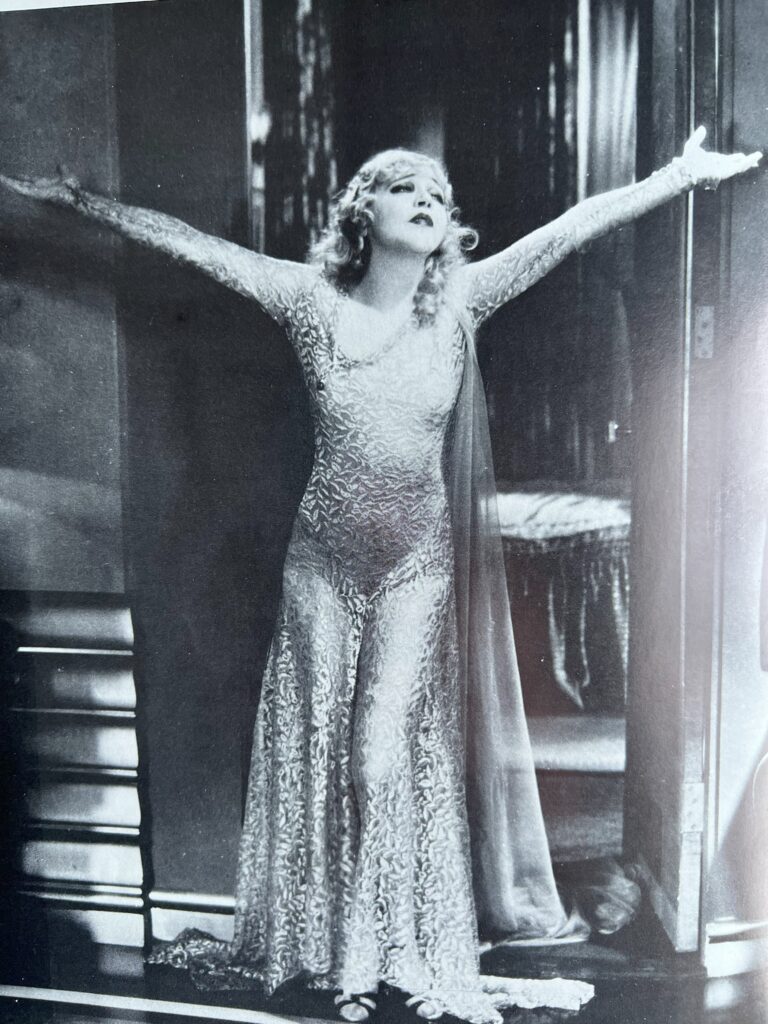
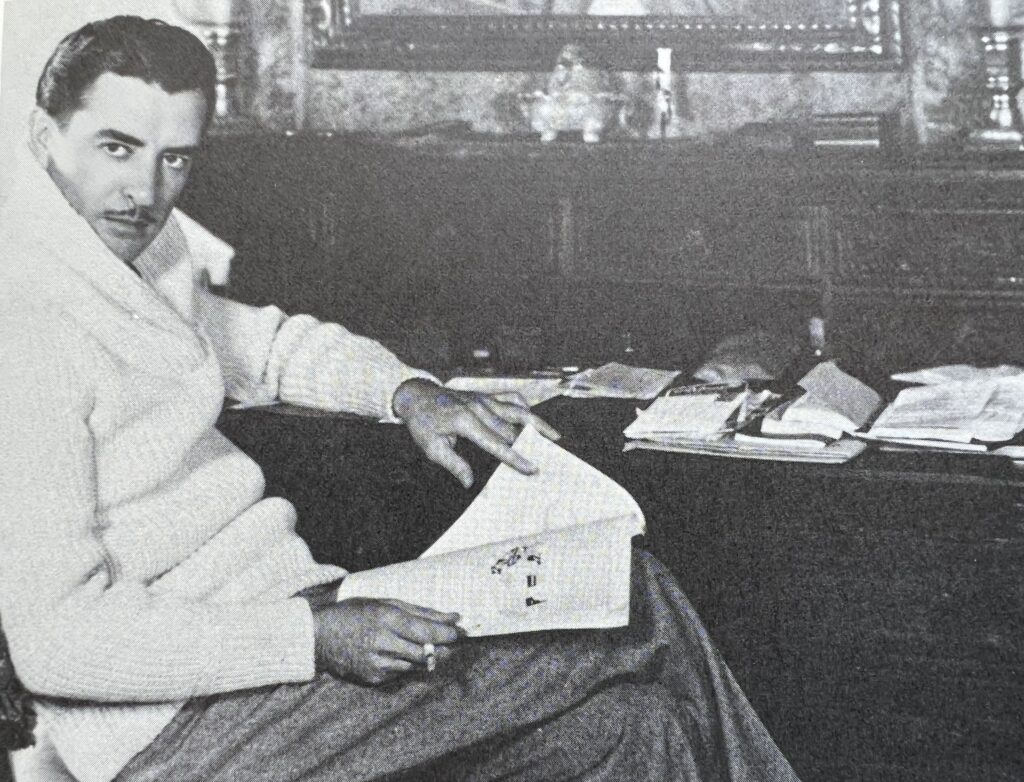
Mae Murray was clearly in the spotlight that year since the MGM film, The Merry Widow, had been released and was performing quite well at the box office.  A full-page ad for the popular film, directed by Eric von Stroheim, starring Mae Murray and John Gilbert, is found on page 7. 
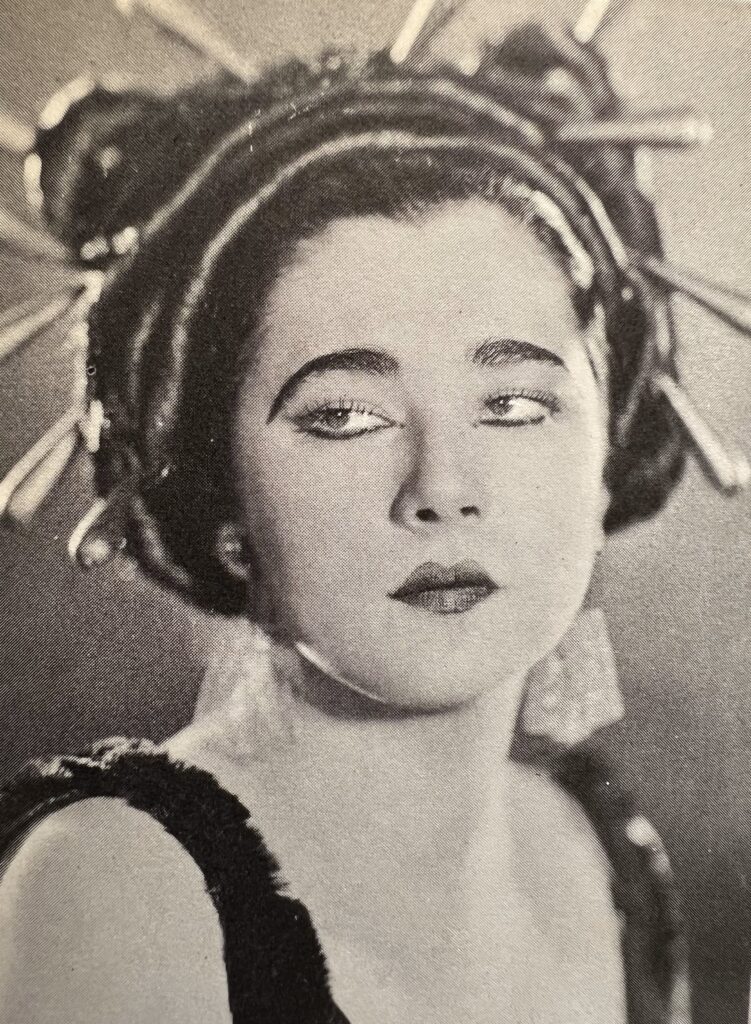
At the time, the magazine featured “Our Portrait Gallery,” and many photographs are found therein, including one of popular comedian, Charlie Chaplin, as well as Phyllis Haver, a leading silent actress of the day.
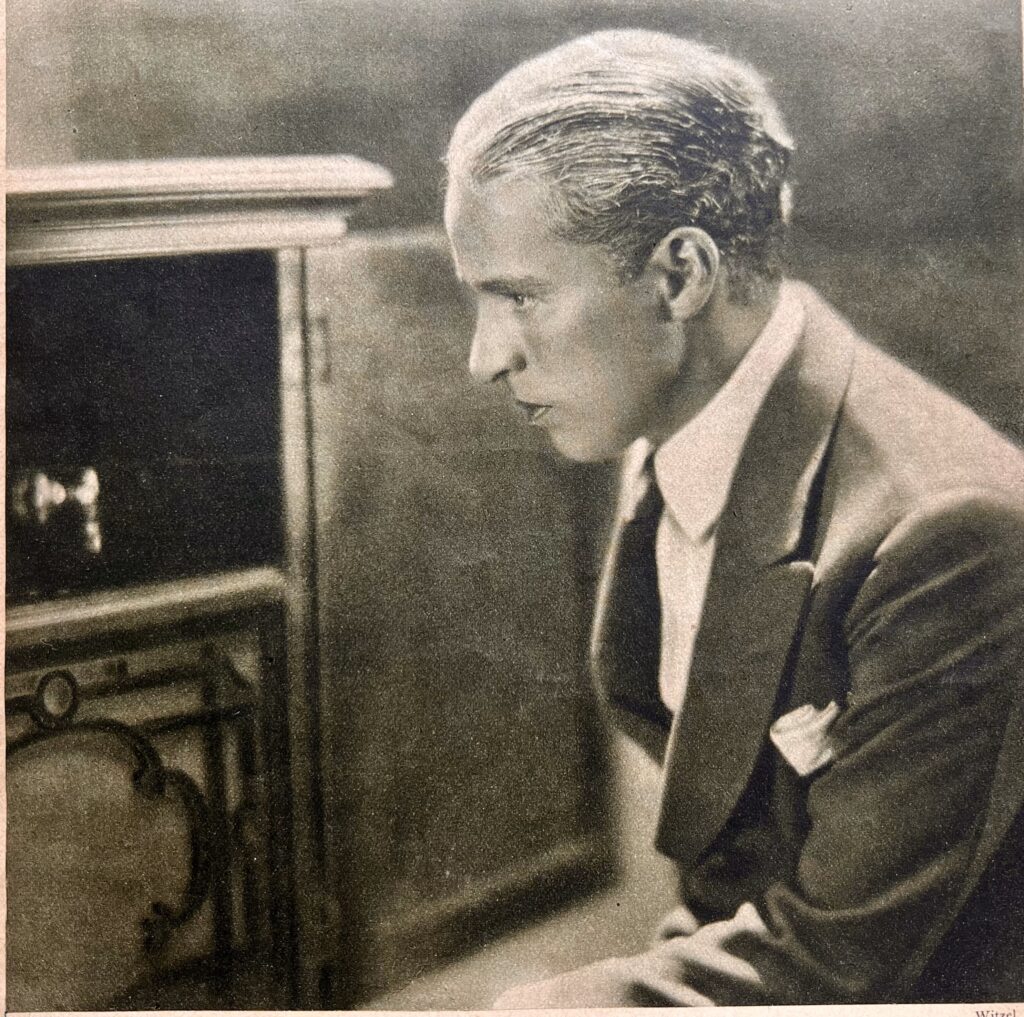
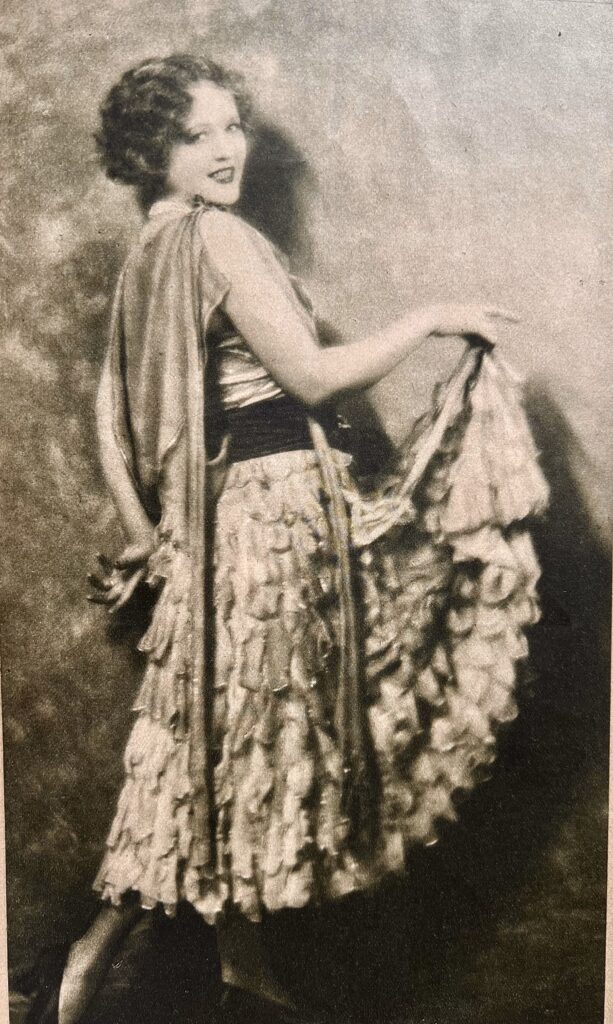
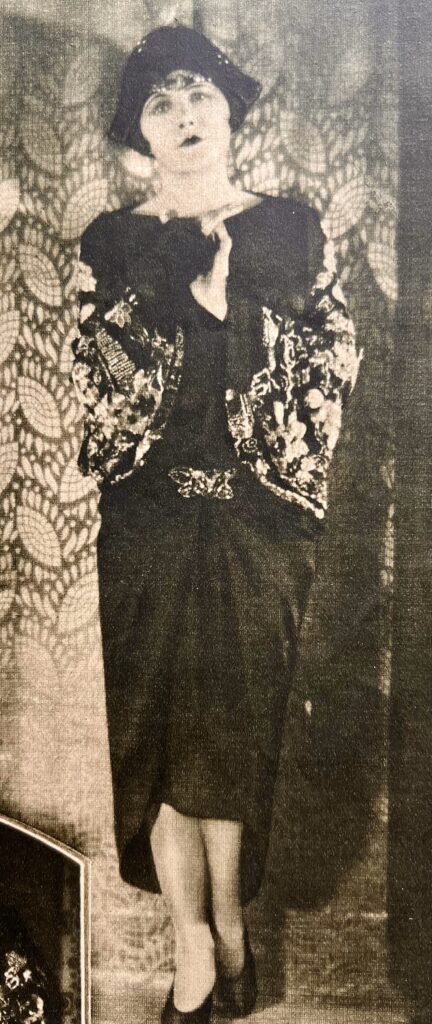
On page 22, we encounter handsome leading man, Rod La Rocque letting readers know what the well-dressed man will wear this autumn.  Leatrice Joy, a beautiful leading lady of that era, does the same for women on page 23, as she sports some of the latest 1925 fall designs.  Miss Joy was well known for her extravagant fashion sense and was rarely upstaged by any other star, apart from Gloria Swanson. 
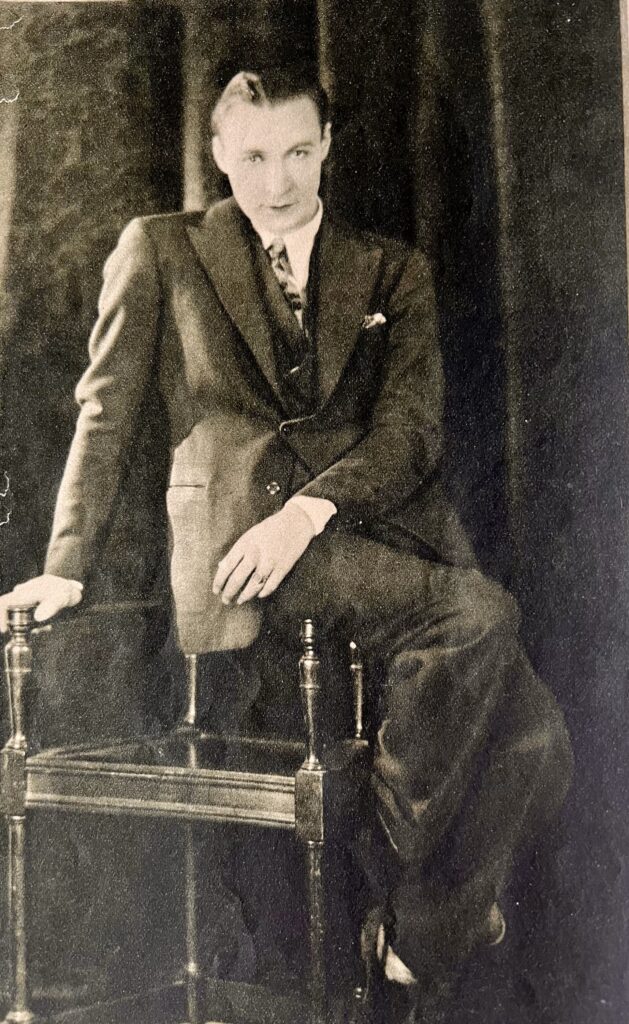
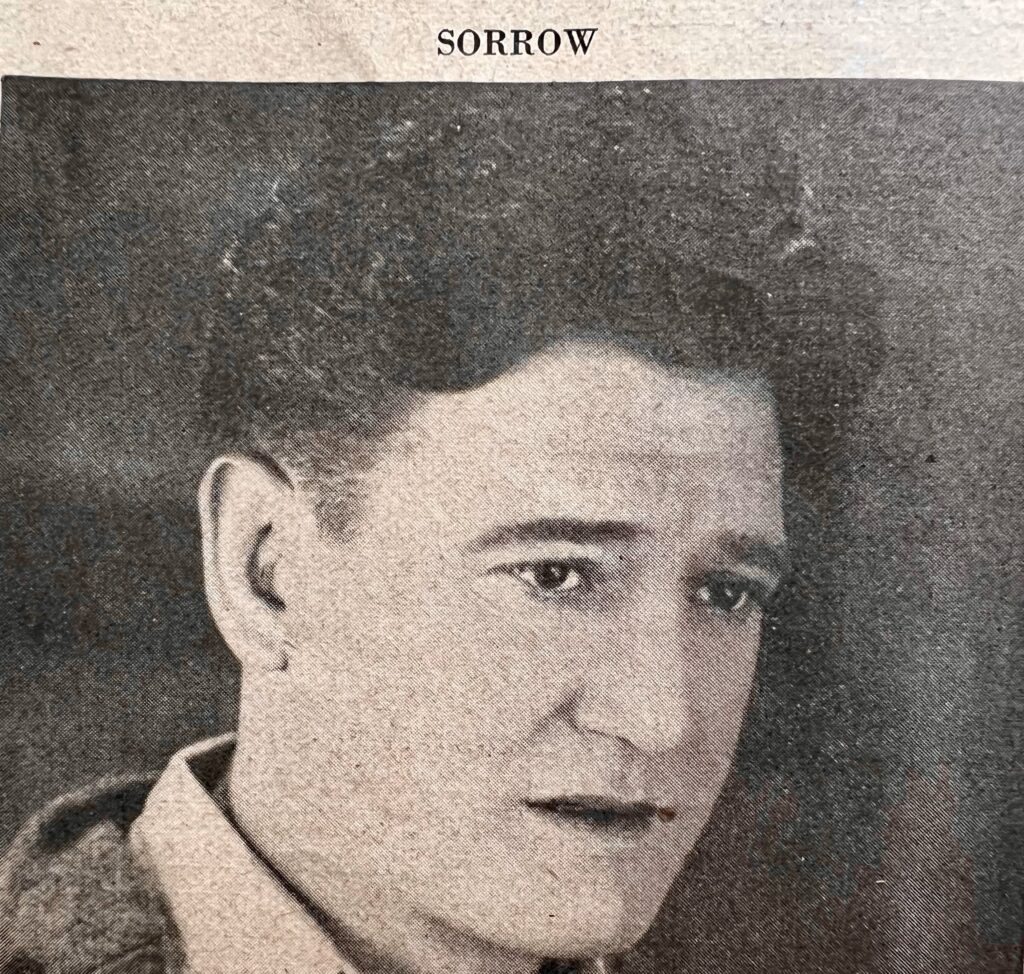
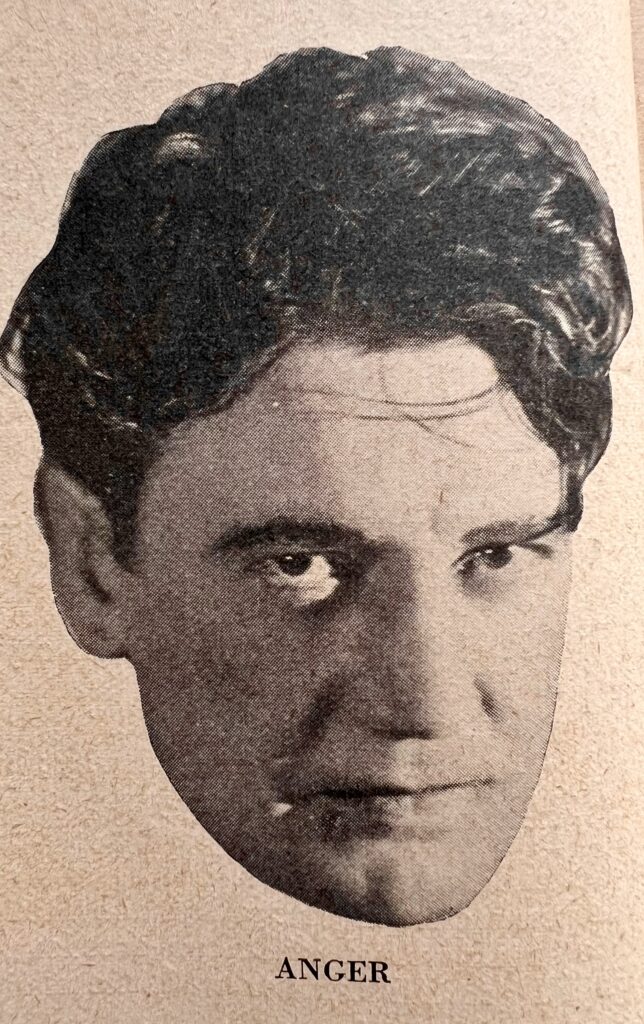
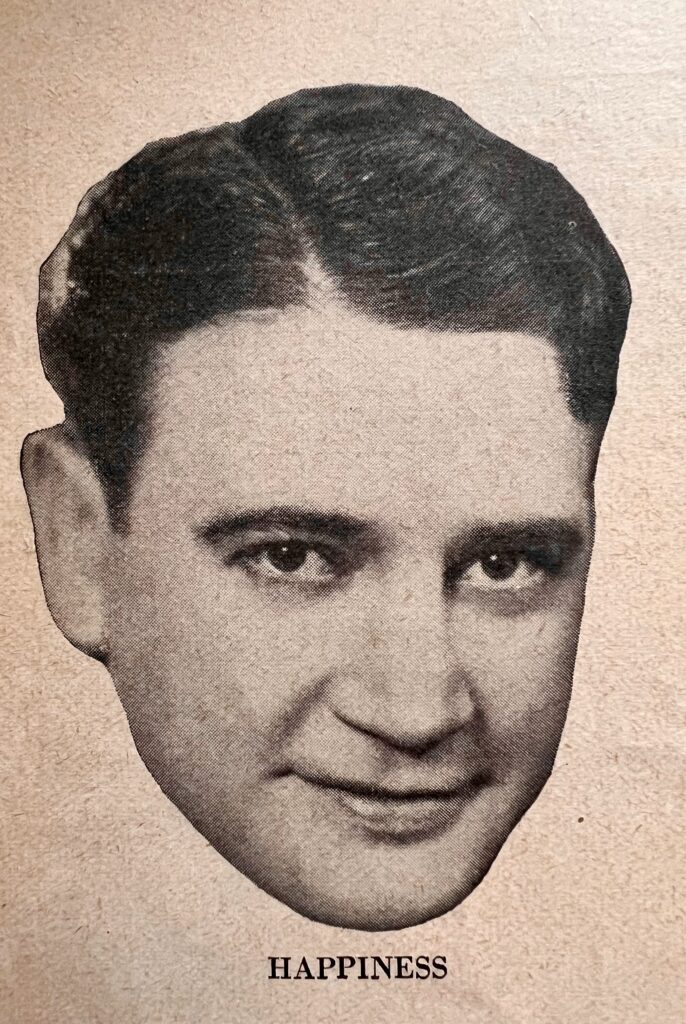
Page 28 gives us popular leading man Richard Dix, showing his plethora of actor’s “emotions.”  Dix was more noted for his rugged good looks and physique, and less so for his histrionics. 

Pretty obvious, wouldn’t you say?
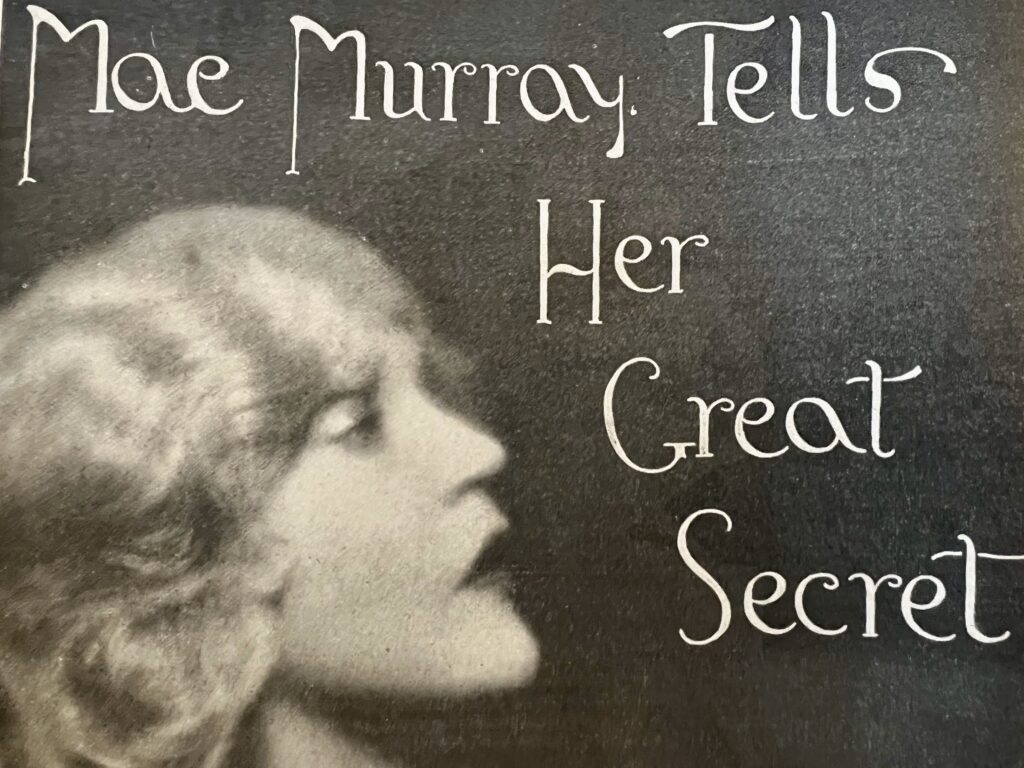
On page 32, “Mae Murray Tells Her Great Secret.” We are promised by writer, Homer Currie, that Mae will reveal her life plan and her philosophy the very one that ensured her the enormous success she’d achieved as an actress.
Slobbering in on page 41 is the new St. Bernard pooch called Robin Hood, at the Pickfair estate, where actress Mary Pickford resided at the time with her actor husband, Douglas Fairbanks.  Their estate hosted all sorts of entertainment and political celebrities from around the globe, and occasionally, even royalty would pop in.

You recall hearing about the Pickfair estate, don’t you? Wannabe actress and singer, Pia Zadora (of Santa Claus Conquers the Martians fame), had it bulldozed to the ground, don’t ’cha know…
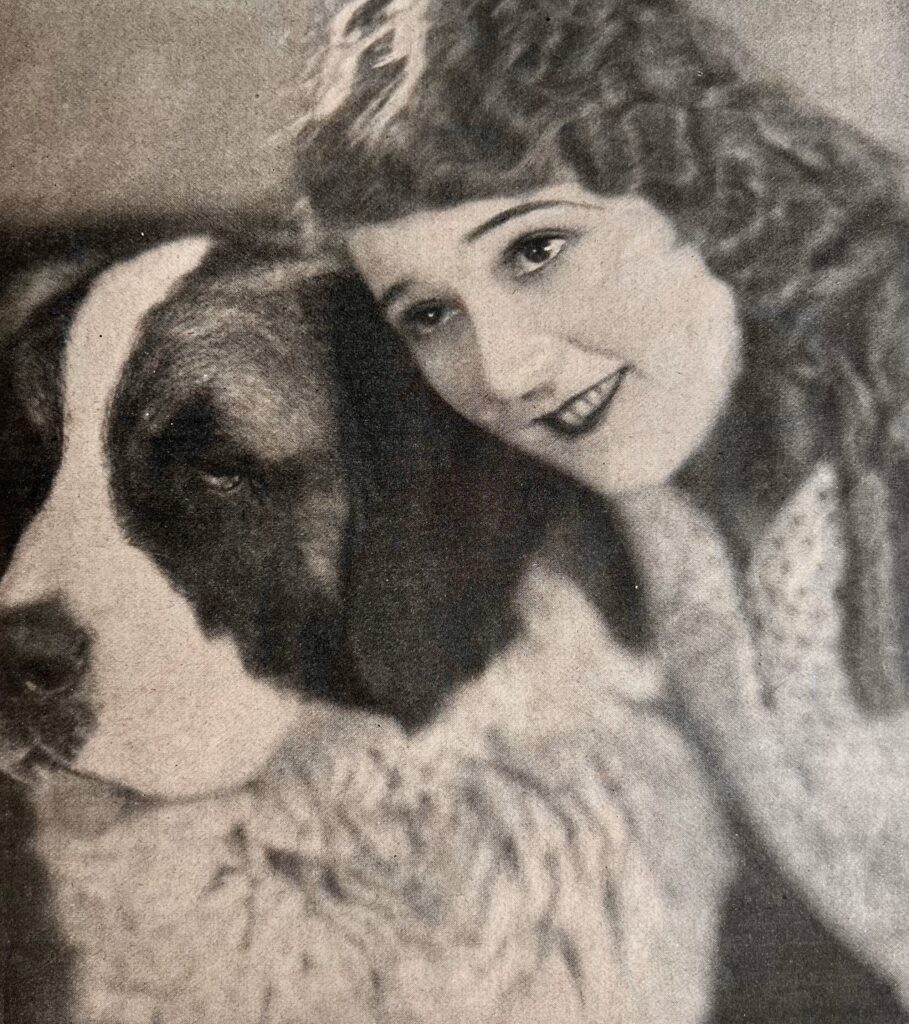
Mary Pickford, queen of the Pickfair estate, with “Robin Hood” the St. Bernard

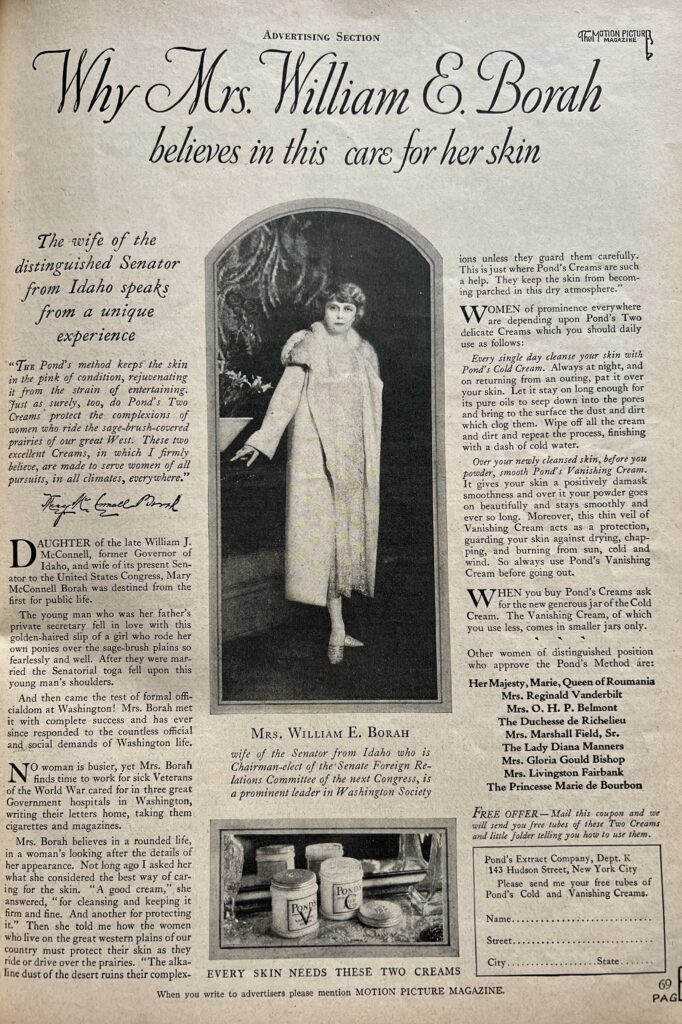
The feature from page 69 has one Mrs. William E. Borah, wife of the senator from Idaho, giving her skin care secrets.  Guess what, ladies? She uses Pond’s cold cream and vanishing cream.  FYI, they’re still available!
A few pages later, on page 77, we find an advertisement for “Pum-Kin” rouge, which was all the rage back in the day.  My very own grandmother used rouge, which was applied oh-so-sparingly with its own little cosmetic puff (although a lot of women just used a wadded-up cotton ball, as I recall).
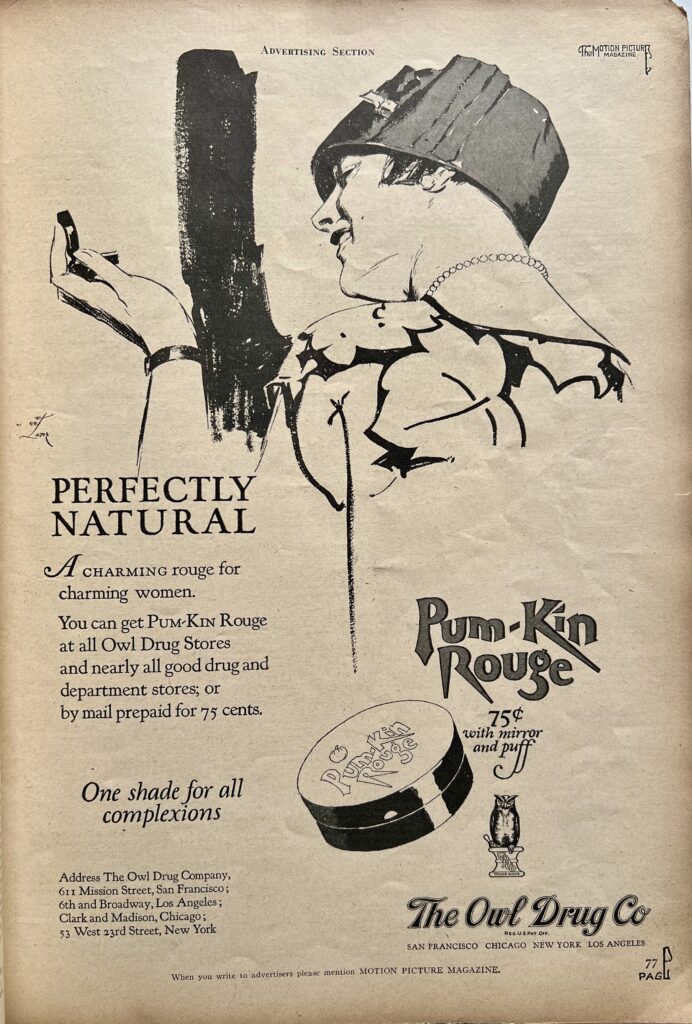
Why was it used so sparingly, you ask? Because it was easy to “misinterpret the situation,” should one apply it a bit to liberally!

Got the picture? Women would sometimes end up looking like “sl*ts.”

Probably going to get all kinds of hassles for that little remark by my lady friends, don’t ’cha think?

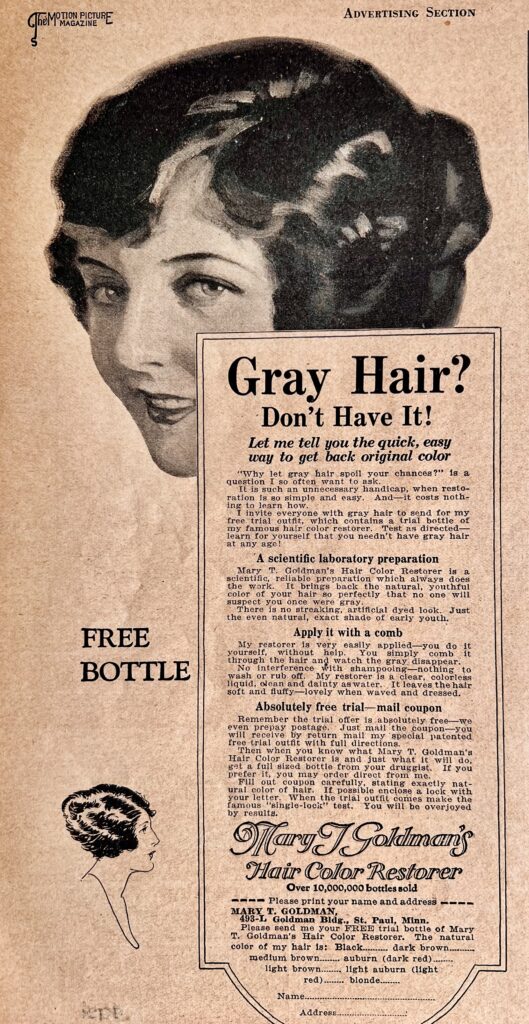
Page 118 brings us to the free bottle offer from “Mary T. Goldman’s Hair Color Restorer.”  We are asked to write to Mary T. Goldman, 493-L Goldman Building, St. Paul, Minn., for the free sample of hair dye.  Notice how there is no zip code given.  This predates zip code usage, even the 2-digit zone code period of my youth.
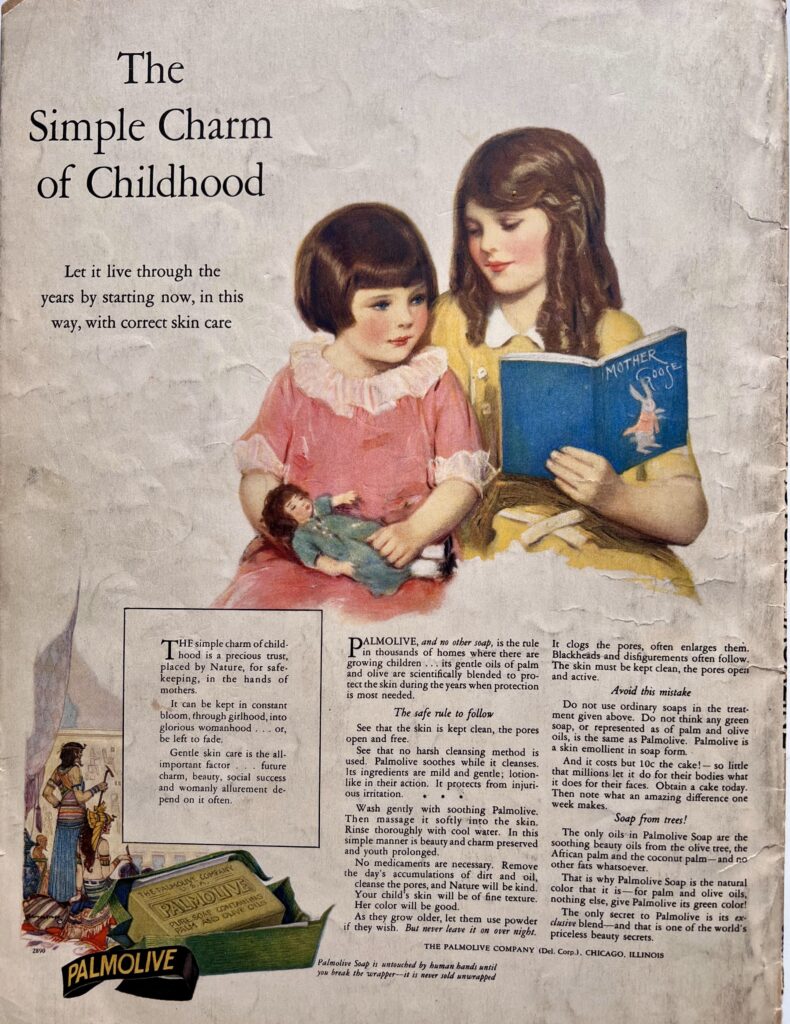
And finally, the back cover ad for Palmolive bar soap is found.  At the bottom of the page, we read that “Palmolive Soap is untouched by human hands until you break the wrapper – it is never sold unwrapped.”

Until next time…
Categories
Hollywood, Broadway & More! Memorial Miscellaneous Sex Symbols

Keith’s Theatre, 5/17/25

Popularity can be a very transitory beast and public tastes can change, in the rapid blink of an eye or as quickly as a photographer’s flash, don’t ’cha know….

It’s history constantly repeating itself, hoping we’ll eventually learn our lesson, though we rarely listen.

You see, the public is fickle.

That old truism came to life again this week as I watched someone gloat over their YouTube subscriber rate and number of video views, versus their competitor who’s in the same niche market.  Mr. X just had to rub it in real good and make himself feel like the virtual king, presiding over his adoring and loyal subjects…

Of course, they’ll always be there!

Or will they?

There’s a cavalcade of has-beens who’ll attest to the public’s fickle nature, and many are just screaming, some from the grave, “You’re only as good as your last performance!”

Let’s take a look at a few of yesterday’s stars that regrettably ended up on the has-been compost heap.

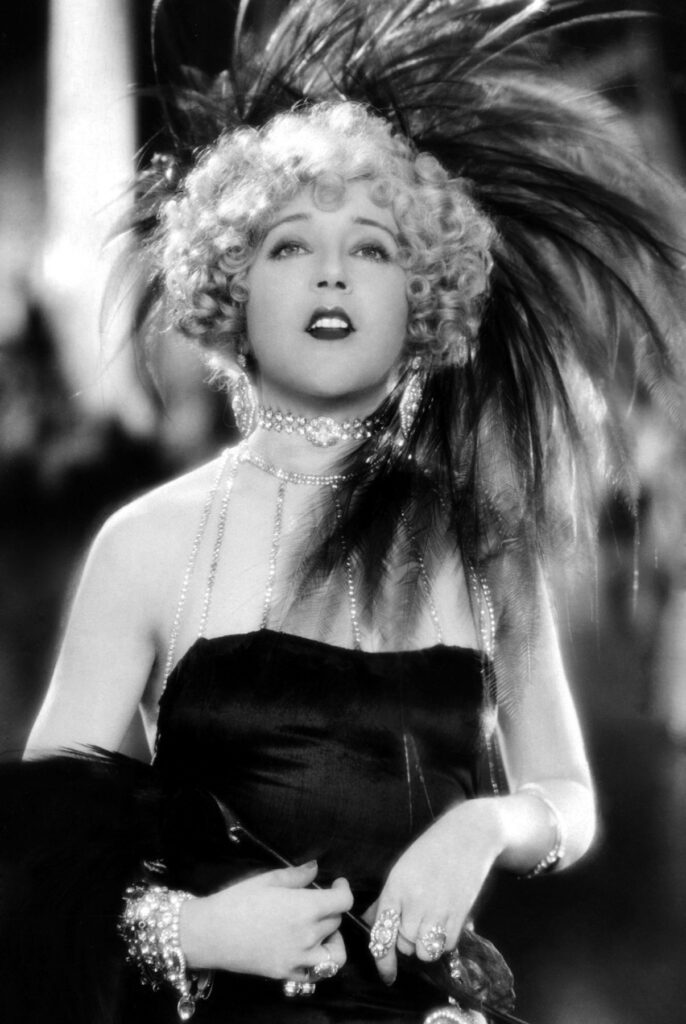
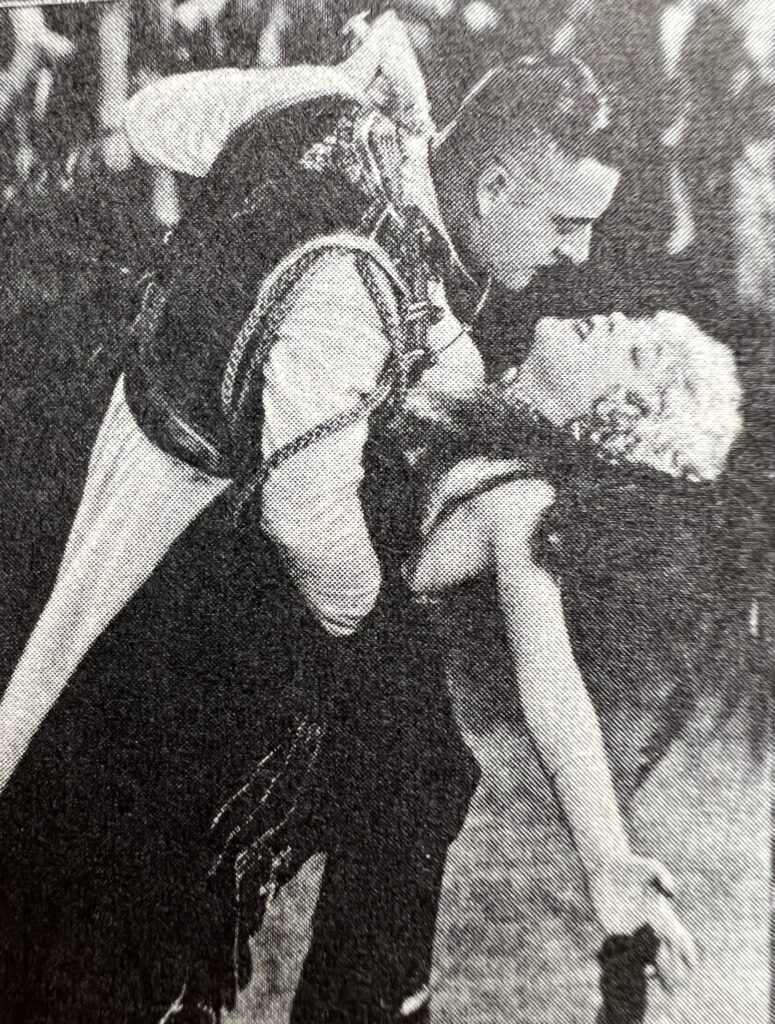
1925: Mae Murray (1889 – 1965) stars as dancer Sally O’Hara in the film ‘The Merry Widow’, directed by Erich Von Stroheim for MGM.

First up on my list of forgotten ones is the divine one herself, Mae Murray (aka Princess Mdivani of Georgia), who for almost two decades was both a Ziegfeld Follies as well as a silent picture star.  Mae thought she’d always be on top and when her beauty faded, so did she…into veritable oblivion.  Mae did make some memorable films though, including director Erich von Stroheim’s 1925 film interpretation of the Franz Lehar opera, The Merry Widow, which sealed Mae’s fate as one of the loveliest actresses to ever grace the screen.  FYI, the video is available in its entirety on YouTube.

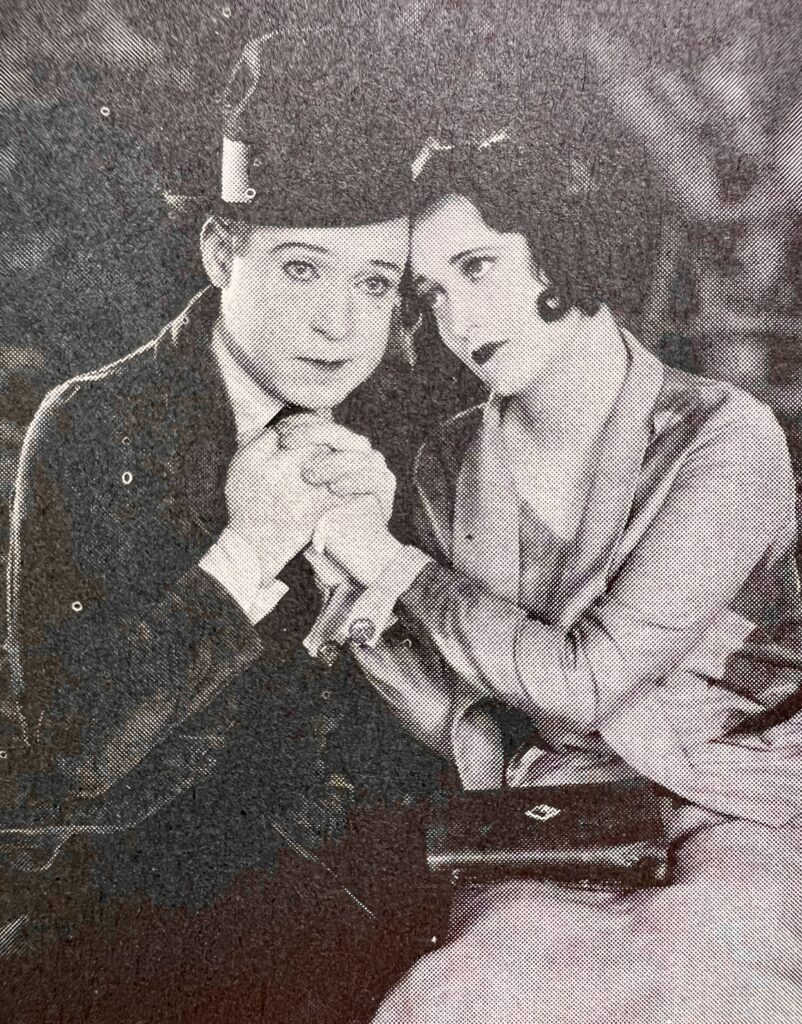
Next up is one of the great silent comedians, Harry Langdon (1884-1944), who’s not very well-remembered today, but for a moment in Hollywood history, was a household name.  Langdon’s trademark baby face was perfect for close-ups and led to starring roles in three silent films which many now consider masterpieces, The Strong Man (1926), Tramp, Tramp, Tramp (1926), and Long Pants (1927).  Langdon had a unique quality that lent itself perfectly to evoking pathos on the silent screen and his films retain their original magic even today.  

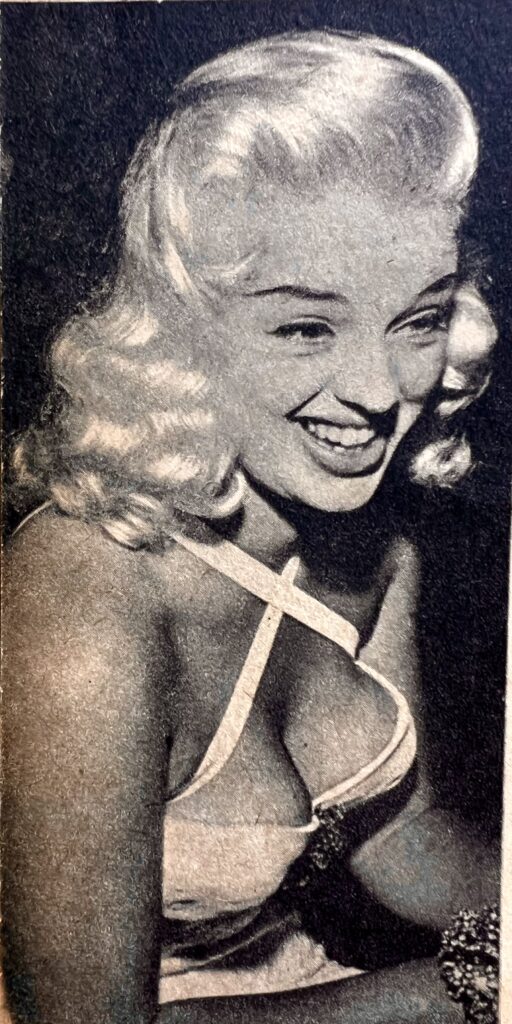
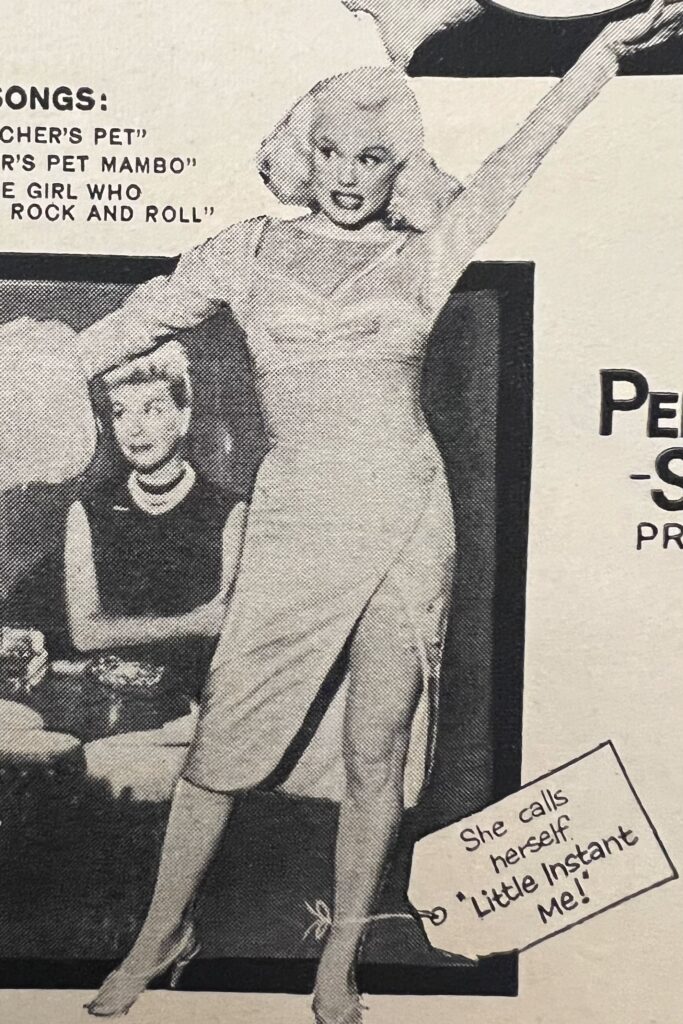
Diana Dors (1931-1984), born Diana Mary Fluck, was England’s answer to the 1950s blonde bombshell craze that included the likes of Brigitte Bardot, Marilyn Monroe, Jayne Mansfield, and Mamie van Doren (FYI, Mamie will be the subject of a future Keith’s Theatre post). 

When Diana Dors’ name comes up today, most people ask, “Diana who?”  At one time, though, Miss Dors was exceptionally hot property and even after her celebrity star dimmed, she managed to self-actualize the sexual nature of life through her extracurricular activities, which involved hidden movie cameras at X-rated adult parties she hosted.  For a full account of Diana Dors’ shenanigans, her Wikipedia biography is here:  https://en.wikipedia.org/wiki/Diana_Dors

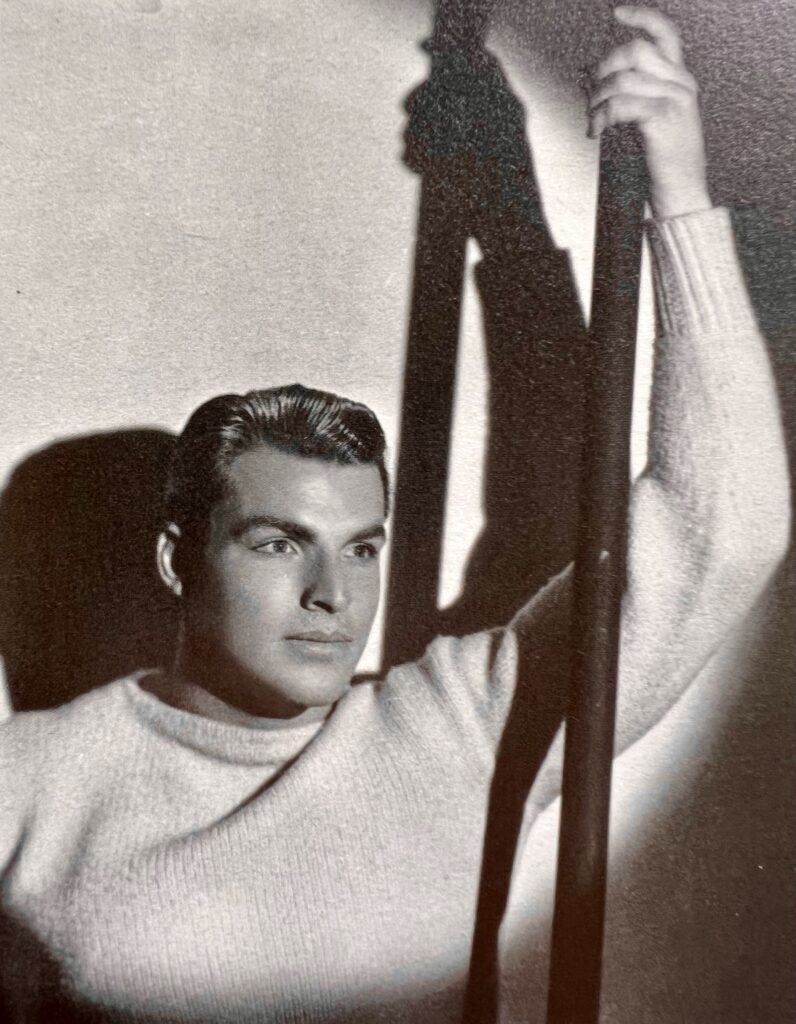
Handsome, hunky actor Larry “Buster” Crabbe

Last up on our list of has-beens is none other than Hollywood mega hunk, Buster Crabbe (1908-1983), who is probably best remembered as Flash Gordon, Buck Rogers or Billy the Kid in film serials during the 1930s and 40s.  Crabbe, a former Olympic gold medal swimmer, was catapulted into the acting profession as a result of his sports ability, a story that still resonates today.  Buster Crabbe’s Wikipedia biography is posted here:  https://en.wikipedia.org/wiki/Buster_Crabbe

Yes, the public is fickle.  Here today, gone tomorrow!

Until next time…
Categories
Hollywood, Broadway & More! Memorial Miscellaneous Sex Symbols

Keith’s Theatre, 5/10/25

(Silent star from the past materializes out of thin air!)

As someone matures, they start a mysterious rewinding process, much like birth-in-reverse, and ghosts from the past leap out of every nook and cranny.

This week, I was visited by the spirit of the former Ziegfeld Follies and silent screen star, Olive Thomas, who appeared out of thin air with former husband, Jack Pickford, close by her side.  To be perfectly frank (as well as very prima-donnish), the entire experience was completely overwhelming, and I shan’t recover anytime soon.

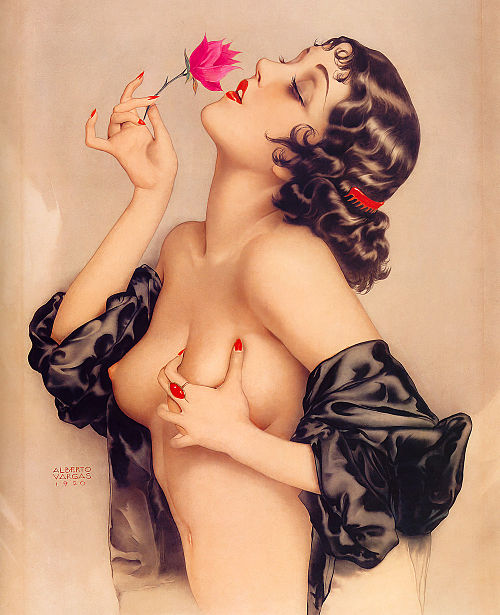
Olive Thomas, unfortunately, met an early demise in Paris, France in 1920, after swallowing poison, which ultimately resulted in her death on September 10th.  Her beauty had been the inspiration for artist Alberto Vargas’ work called “Memories of Olive,” and the piece was prominently displayed in the lobby of a New York Ziegfeld theatre for years, before being later sold to an art collector.

“Memories of Olive,” 1920 by Alberto Vargas

 Olive Thomas had once been married to actress Mary Pickford’s brother, Jack, and many believe her husband’s drinking, drug use and philandering drove her to take poison (mercury bichloride) in the early morning hours of September 6, 1920.  Also vacationing with the couple in Paris at the time of Thomas’ death on September 10th, was her close friend, actress and former Ziegfeld star, Mae Murray.

Jack Pickford was best remembered for his starring role in the 1917 silent version of Tom Sawyer, as well as its 1918 sequel, Huck and Tom.  He eloped with Olive Thomas in 1916 and by most accounts, their relationship was tumultuous until Olive’s eventual death from ingesting poison on September 6, 1920.  That death, incidentally, was eventually ruled accidental, but many consider it to be suicide.

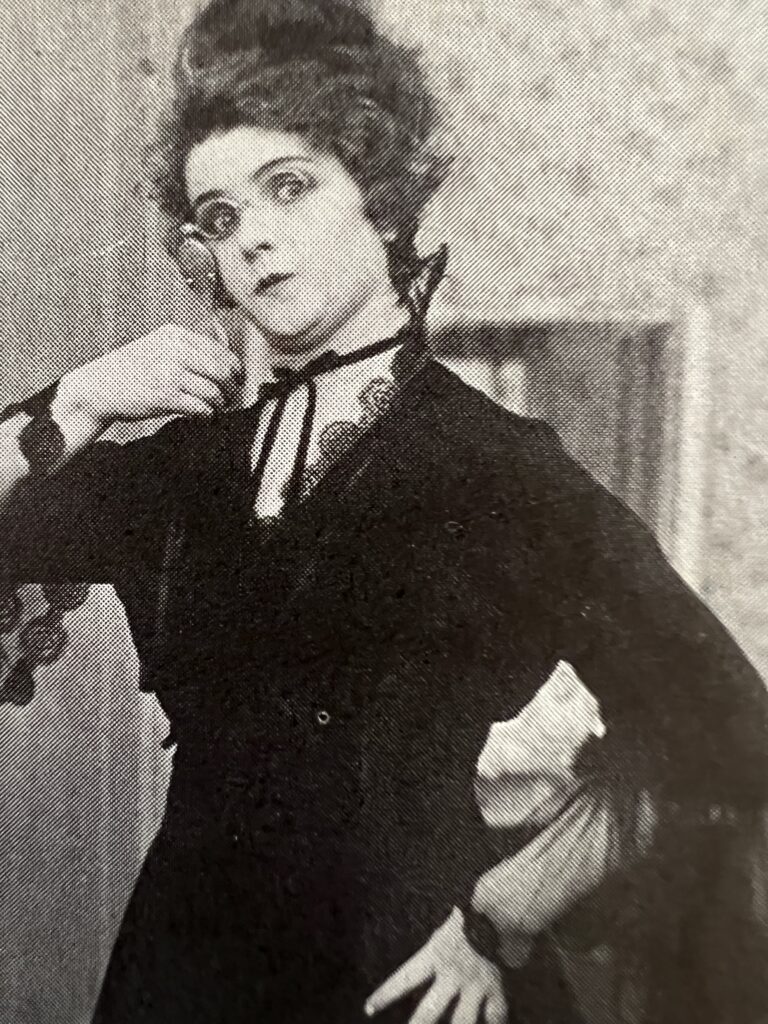
Olive Thomas, the great beauty of the silent screen
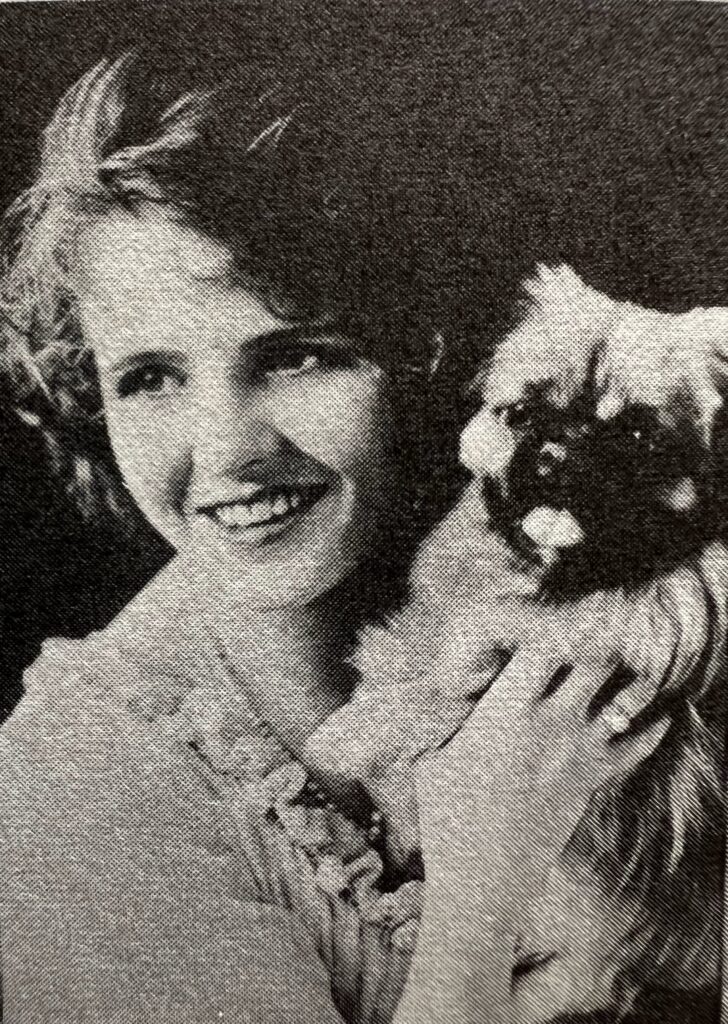
Olive Thomas & friend
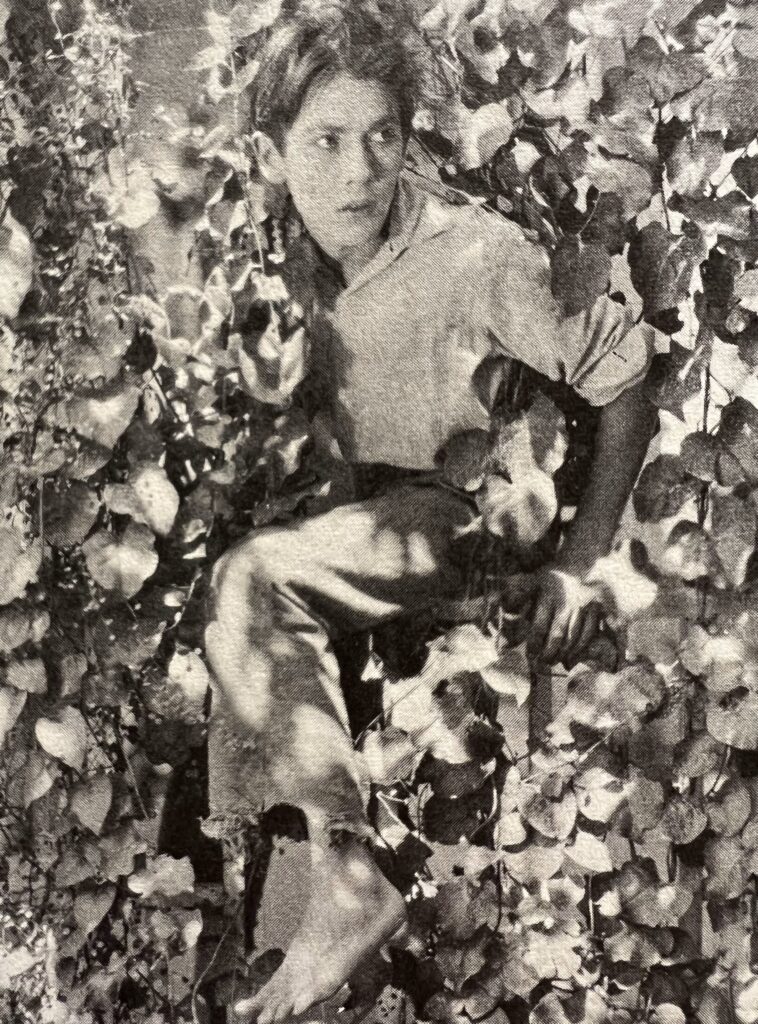
Olive Thomas’ husband, Jack Pickford, brother to Mary Pickford

So felt Mae Murray, who’d been in close contact with Olive at the time and implicated Jack Pickford for Olive’s death.  According to the Michael Ankerich book, “Mae Murray, the Girl with the Bee-Stung Lips,” Mae later wrote, “I tried to feel tolerant and understanding toward Jack, who had broken my friend’s heart because he had been himself and therefore was unlike what she wanted him to be. But I could not trust myself with him. No matter how humble and remorseful Jack would have been – and I’m sure that he was intensely so – I could not risk hurting him more.”

Frances Marion, who was a popular screenwriter during the silent era, said of the Olive Thomas and Jack Pickford relationship, “I had seen her often at the Pickford home, for she was engaged to Mary’s brother, Jack. Two innocent-looking children, they were the gayest, wildest brats who ever stirred the stardust on Broadway. Both were talented, but they were much more interested in playing the roulette of life than in concentrating on their careers.”

Kind of sounds like my shenanigans as I terrorized San Francisco during the 1980s and 90s… don’t ’cha know.

Until next time…
Categories
Hollywood, Broadway & More! Memorial Miscellaneous Sex Symbols

Keith’s Theatre 5/4/2025

(More artists from the past appear out of nowhere!)

As someone matures, they start a mysterious rewinding process, much like birth-in-reverse, and ghosts from the past leap out of every nook and cranny.

This week, I was visited by the spirit of artist, Alberto Vargas, who’d suddenly returned to life. 

I’ve always liked this artist’s work, yet the gallery chain where I worked for many years, Dyansen, handled several commercial artists but not Vargas’ art.  Alberto Vargas by this time had achieved worldwide notoriety and was attracting the attention of art collectors worldwide.

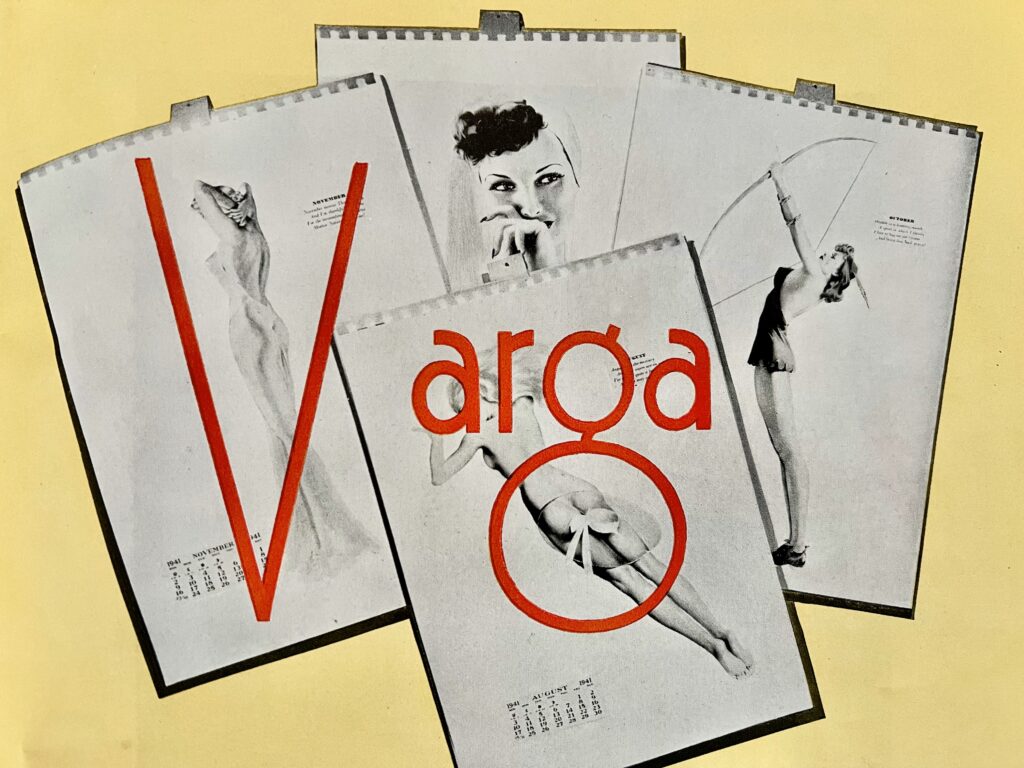
Joaquin Alberto Vargas y Chávez was born on February 9, 1896, in Arequipa, Perú, the son of a well-known Peruvian photographer.  Vargas, considered one of the leading pin-up girl illustrators and artists, perfected the use of watercolors, often in combination with the airbrush, during his lifetime. 

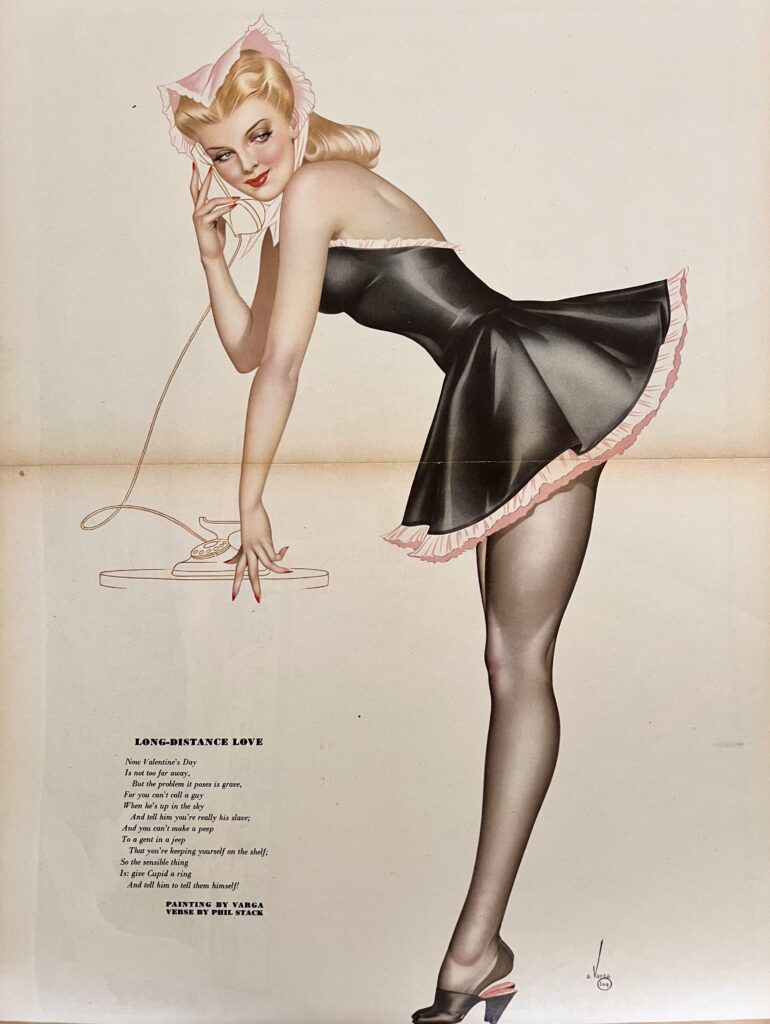
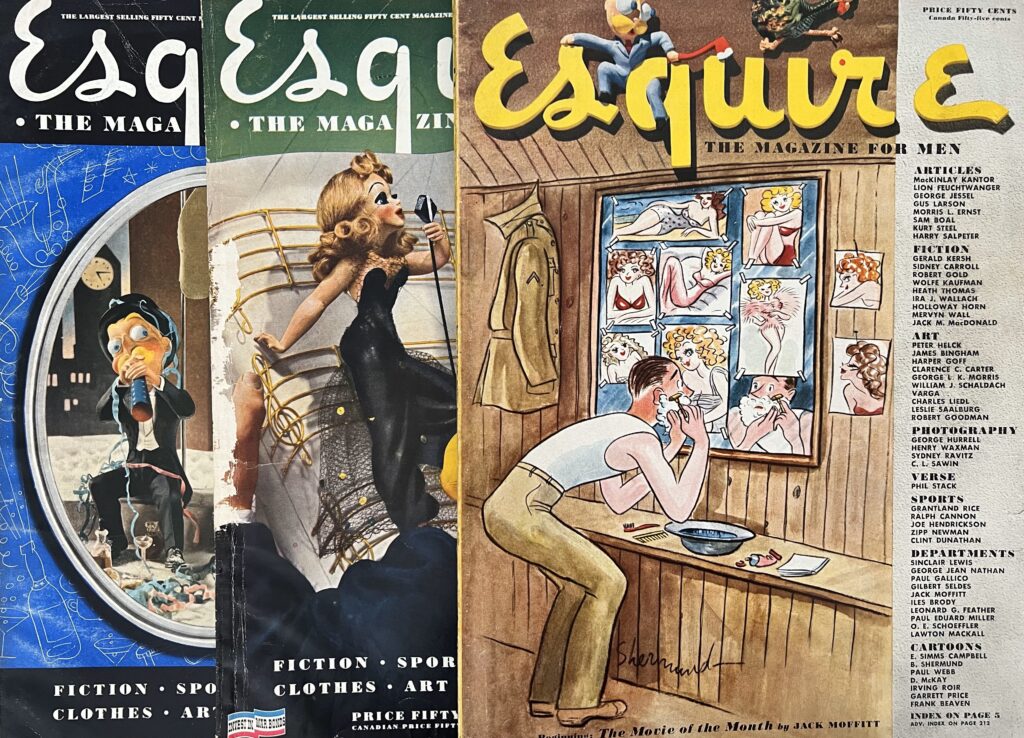
From January, 1941 “Esquire” magazine

Vargas had been employed early in his career by showman, Florenz Ziegfeld.  Vargas painted one of Ziegfeld stars, Olive Thomas, and the work was prominently displayed in the lobby of a New York Ziegfeld theatre for years, before being sold to a private collector. 

“Memories of Olive” by Alberto Vargas, 1920

Olive Thomas, in addition to being a Ziegfeld Follies star, had once been unhappily married to actress Mary Pickford’s brother, Jack, and many believe her husband’s drinking, drug use and philandering drove her to take poison in the early morning hours of September 6, 1920.  Also vacationing with her in Paris at the time of her death on September 10th, was her close friend, as well as former Ziegfeld Follies star, Mae Murray. 

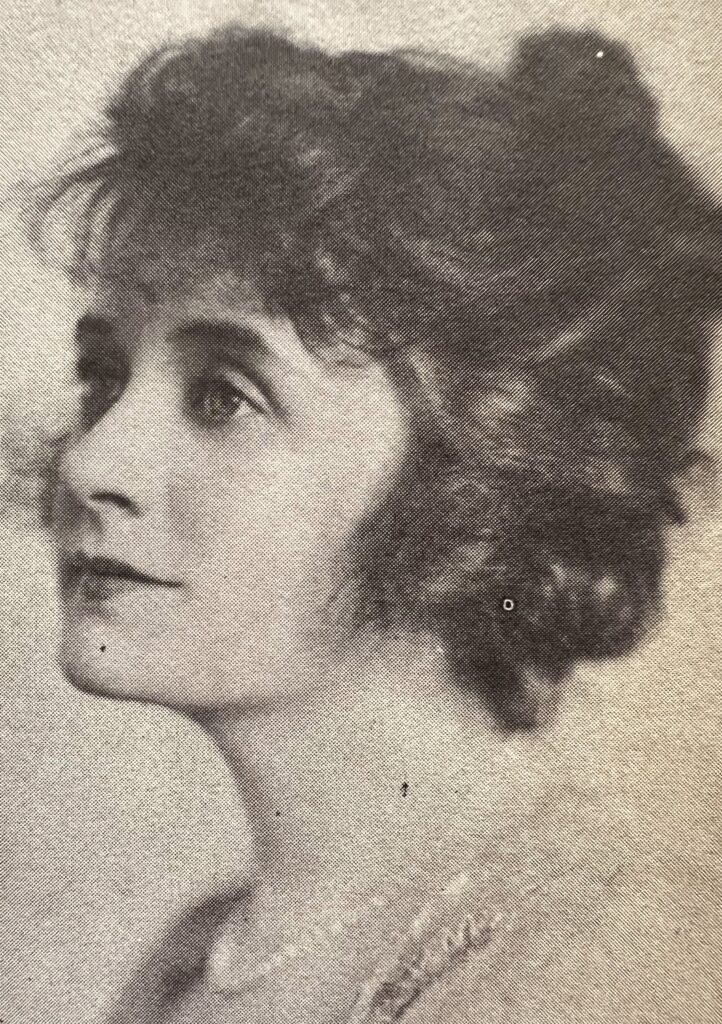
Former Ziegfeld Follies star & friend of Olive Thomas, Mae Murray

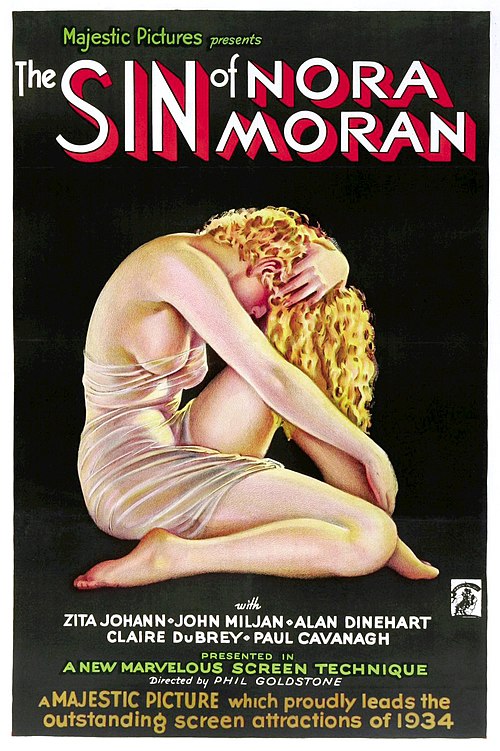
Vargas later did work for several Hollywood studios creating movie posters, and one such design was for the 1933 film, The Sin of Nora Moran, starring Zita Johann.  Johann, an Austrian American actress is best remembered for her role opposite Boris Karloff in the 1932 film, The Mummy.

Other well-known actresses painted by Vargas included Ziegfeld’s wife, Billie Burke, silent screen actresses Bessie Love and Nita Naldi, and 1950’s sex symbols Mamie Van Doren and Marilyn Monroe.

Florenz Ziegfeld’s second wife, actress Billie Burke

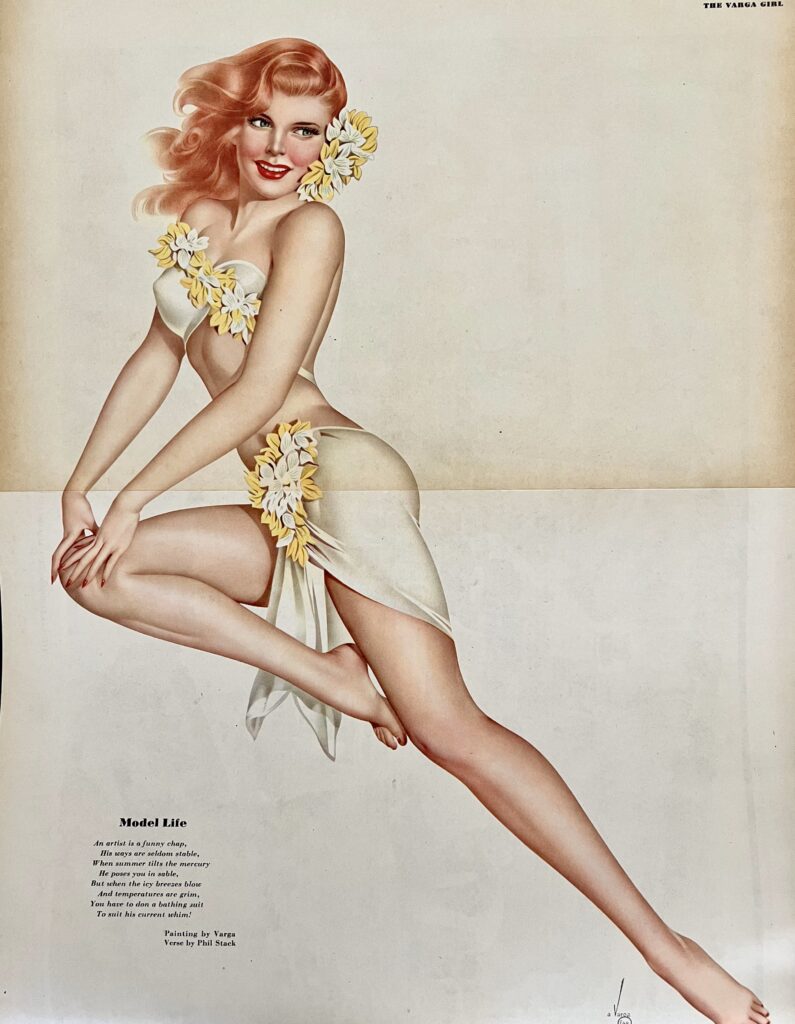
During the 1940s, Esquire magazine featured many of the Vargas pin-ups, some of which I’ve featured below.  In 1959, Playboy magazine magnate, Hugh Hefner, began using Vargas’ work, which will be featured in a separate Keith’s Theatre column.

Alberto Vargas died on December 30, 1982, in Los Angeles, California.

Wikipedia’s biography of Alberto Vargas can be found at:  https://en.wikipedia.org/wiki/Alberto_Vargas

Until next time…
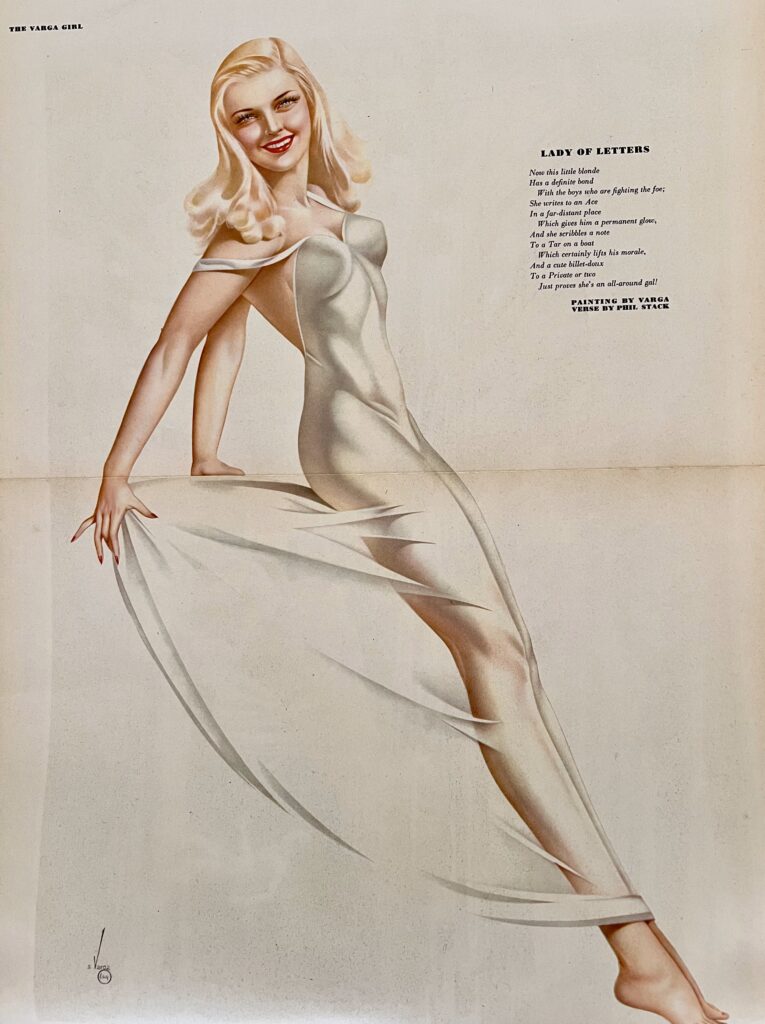
From March, 1945 “Esquire” magazine
Categories
Hollywood, Broadway & More! Memorial Sex Symbols

Keith’s Theatre – 2/7/2025

(Move over Hedda Hopper, Louella Parsons & Adela Rogers St. Johns)

I often find myself on YouTube (since I have a Roku box, directed to my TV screen), watching a barrage of videos from all manner of content creators.  Just can’t imagine how anyone could bear to watch an itsy-bitsy phone for any length of time.  That would ruin it all for me since I’m hopelessly addicted to this medium…

Especially so when a classic film is being shown, and such was the case this week watching Circe the Enchantress on YouTube (with Czech intertitles & Spanish subtitles).  I had to settle for the Czech/Spanish version since no one’s posted the complete film with English intertitles.  Reference please:

If you don’t understand Czech or aren’t fluent in Spanish (como yo), watching Mae Murray (aka the Princess Mdivani) emote is likely all you’ll need.  Very glad I watched this since it showed me that she was truly one of the greats of the silent era.

Circe, the Enchantress, 1924, starring Mae Murray

I also suggest watching the film jewel in Mae Murray’s crown, 1925’s The Merry Widow, directed by Eric von Stroheim, for anyone who wants to see “poetry in motion.”  Von Stroheim brought out a unique quality in Mae which resonated with filmgoers worldwide.  Reference please this link and incidentally, Miss Murray doesn’t appear until almost 11½ minutes into the film.  Certain there were long arguments between said actress and director von Stroheim about that decision!

1925: Mae Murray (1885 – 1965) stars as dancer Sally O’Hara in the film ‘The Merry Widow’, directed by Erich Von Stroheim for MGM.

The 1950 film, Sunset Boulevard, simply had to be based on Mae Murray’s life.  Sunset Boulevard’s Norma Desmond is the essence of Mae Murray, and since reading Michael G. Ankerich’s biography, “Mae Murray, the Girl with the Bee-Stung Lips,” any lingering doubts I had were permanently dissolved. 

These two women are one and the same.

The Ankerich book is quite well-researched, and next to “Swanson on Swanson,” one of the best accounts ever written on the silent era.  The Jane Ardmore 1959 book, “The Self-Enchanted,” which regrettably relied on the recollections of Mae Murray (still alive and kicking at the time), was the only biographical account I’d previously digested, until the Ankerich offering some 50 years later. 

“Self-Enchanted,” indeed! Clearly more “self-deluded,” which likely explains why Mae was found on the streets of St. Louis, Missouri in 1964, aimlessly wandering about in a state of confusion at age 79.  Reference please, this article: 

https://news.google.com/newspapers?id=YrMyAAAAIBAJ&pg=990,1605441

Hate to think of what’ll happen to me then.  Wait, that’s only 8½ years from now, perish the thought!

Other happenings this week…got to brush up on my latest Hollywood gossip.  Shall I do another movie review? NO! Let’s not and say we did, n’est-ce pas? Think that my Emilia Pérez review from last week will tide me over for quite some time, thank you very much.  

But really, I just gotta trash some other film since there’ve been so many recently.  Guess I’ll just peruse the Oscar nominations and come up with a sufficiently delectable menu.  Don’t cha think?

My mind wanders, or haven’t you noticed? Guess it’s my age…going to be 71 in June.  One of my co-workers not-so-lovingly disparaged my mind as being a “senior citizen brain-dump!”

Evil woman…

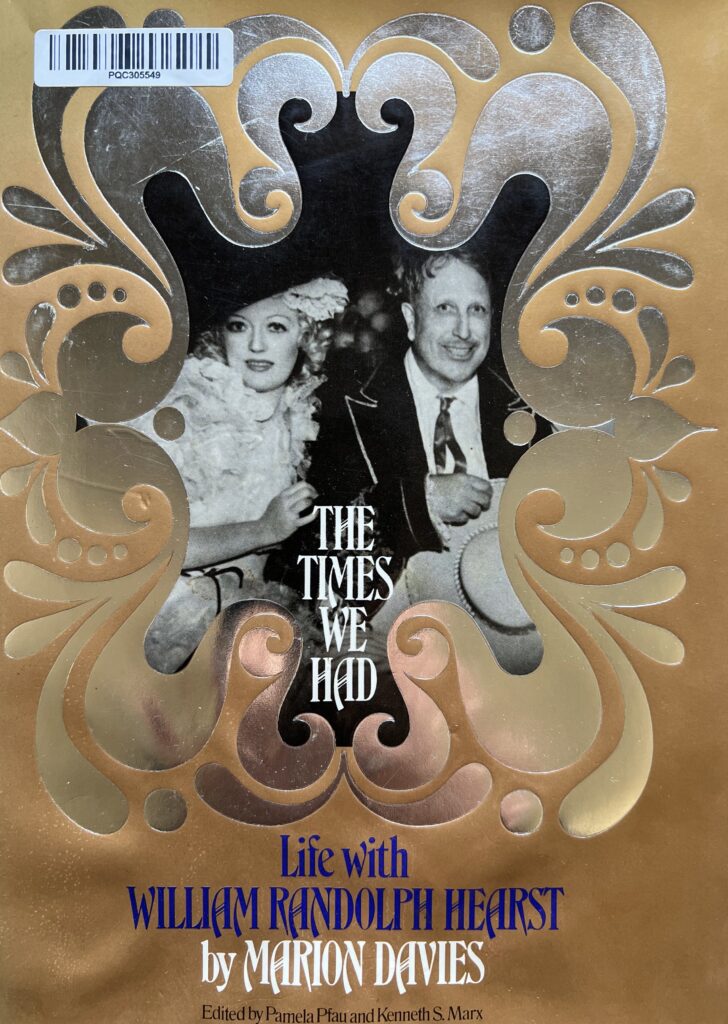
Where oh where is Miss Marion Davies when you need her most? WRH’s mistress was much to my dismay (according to Adela Rogers St. Johns, a longtime Hearst columnist), the very person who had NOT wanted dear WR to divorce Millicent (Mrs. Hearst).  I’d always heard differently, all those many claims and memoirs stating it’d been Millicent Hearst herself, not Marion Davies, that had made all the fuss, the former having been so staunchly Catholic. 

Guess time eventually reveals all truths and guess I’ll find out soon enough when it’s time for me to cross over. 

Don’t cha think, or don’t cha? Until next time…
Categories
Hollywood, Broadway & More! Memorial Sex Symbols

Girl with Bee-Stung Lips

Mae Murray w/Prince David Mdivani
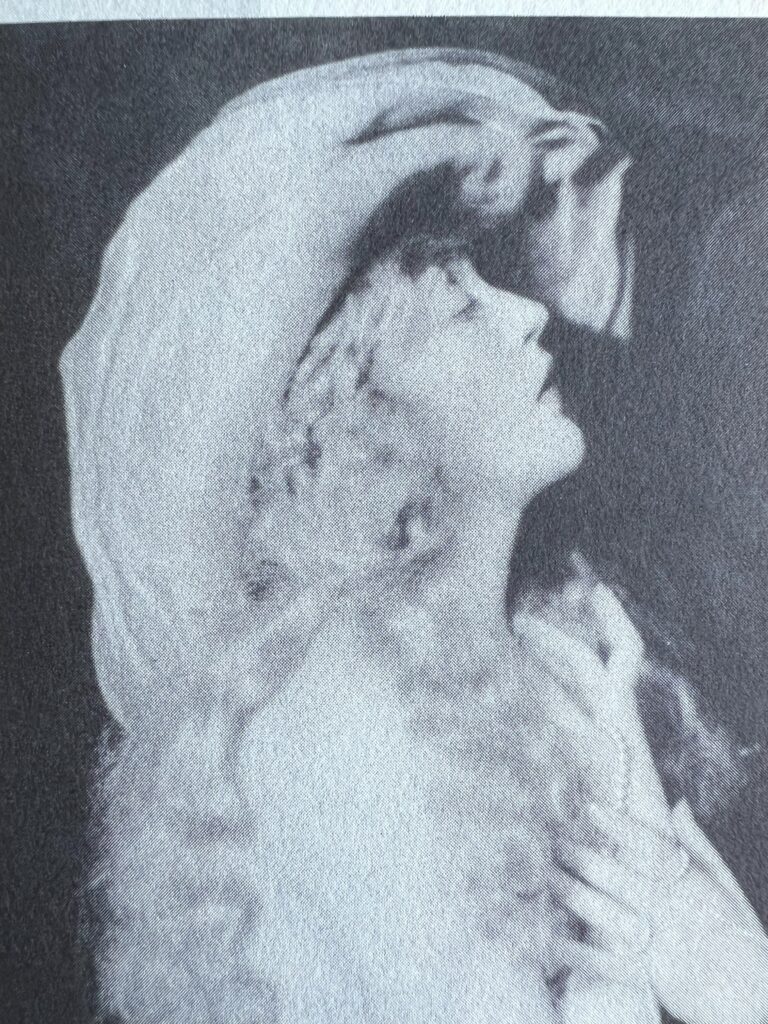
Mae Murray, “The Girl with the Bee-Stung Lips”

Before Mae West came along in the early sound era, sex symbol Mae Murray sashayed onto the silent screen in the late 1910s.  Starting as a talented dancer, the beauty and the sensuality she projected to audiences drew the attention of dancer Vernon Castle, with whom she first appeared and later, Florenz Ziegfeld, who featured her in his legendary Ziegfeld Follies.

Mae Murray was born Marie Adrienne Koenig on May 10, 1885, in New York City, and not the city of Portsmouth, Virginia as she often stated.  She died in Los Angeles on March 23, 1965.

Mae Murray, early in her career, came under the tutelage of director Robert Z. Leonard, whom she eventually married.  Third husband Leonard carefully crafted the sensuous persona she projected.  It has been written that the close-up photographed through a layer of gauze was created specifically for Mae Murray by Robert Z. Leonard.  That same technique was later used by French Impressionist directors like Abel Gance, Germaine Dulac and Marcel L’Herbier.

“Princess Virtue,” “A Mormon Maid,” “The Delicious Little Devil,” “Mademoiselle Midnight,” and “Circe the Enchantress” are but a few of the Leonard films that starred Mae Murray in which she was able to showcase her many charms, and for which theatre goers had an eager appetite.  Eventually Murray and Leonard divorced.

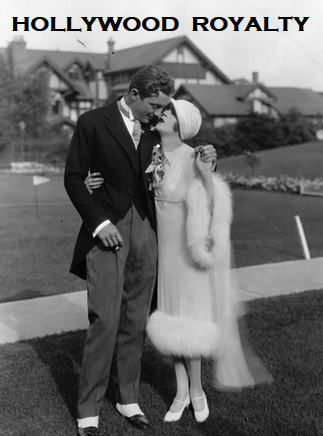
During the silent film era, some publicity-seeking stars, notably Pola Negri and Gloria Swanson, opted to marry European royalty, and thus gain a title.  Not to be outdone, in 1926, Mae Murray married one of the questionable Mdivanis of Georgia – the country of Georgia that is, not the U.S. state.  

Regrettably, Prince David Mdivani of Georgia became the manager of his Princess, thus signaling the beginning of the end of her career.  He persuaded her to leave MGM Studios, thus offending the powerful Louis B. Mayer, who had her blacklisted.  Mdivani also managed to squander the millions of dollars Mae had earned through her successful starring roles.  An attempt at transitioning to sound roles with her 1930 remake of “Peacock Alley” proved futile.  

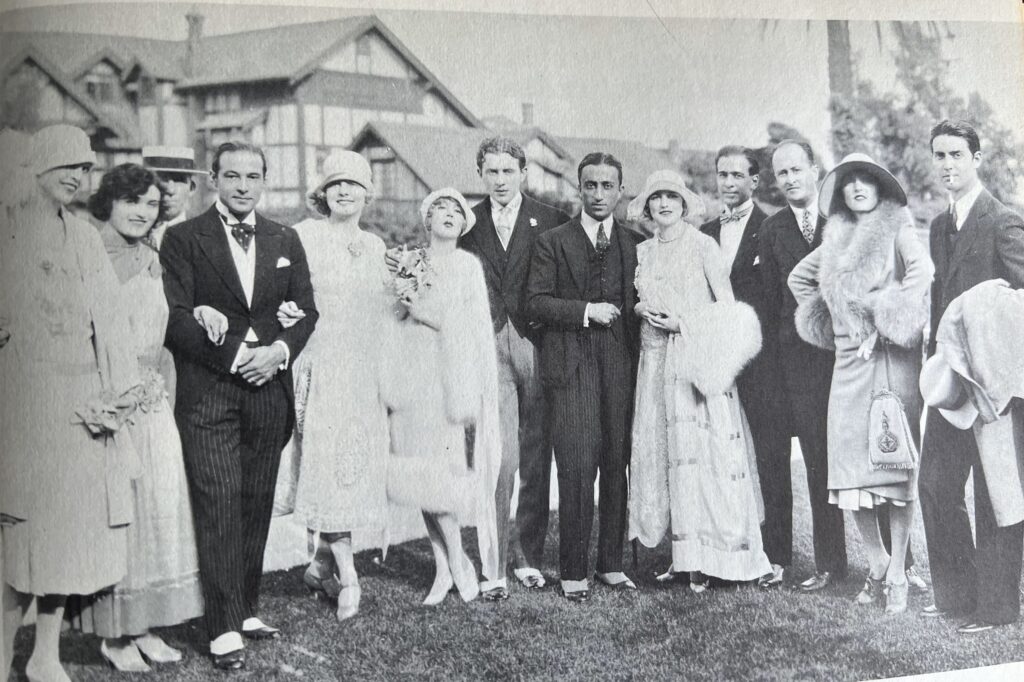
Mae’s “Royal Wedding” featuring Matron of Honor, Pola Negri & Best Man, Valentino

Mae Murray did not go down in defeat, however.  Before this dramatic fall from grace, she had been cast in the leading role of Erich von Stroheim’s 1925 film, “The Merry Widow.”  The film turned out to be the jewel in her crown.  Yet it was no longer 1925, it was now 1930 and sound was here to stay! Mae Murray had lost favor with the Hollywood moguls, with the public at large, and thus began Mae’s retreat into her own world of make-believe.

1925: Mae Murray (1889 – 1965) stars as dancer Sally O’Hara in the film
‘The Merry Widow’, directed by Erich Von Stroheim for MGM.

Mae Murray’s penchant for living in a fairytale world only grew worse with age, and she eventually morphed into a Norma Desmond-like character.  Many believe the inspiration for Billy Wilder’s famous 1950 film “Sunset Boulevard” was Mae Murray’s overly extravagant sense of self-worth and her steadfast refusal to accept that she was no longer a star.

The 1959 biography of Mae Murray called “The Self Enchanted,” written by Jane Ardmore, is the source for many of the photographs featured here.  Unfortunately, a lot of the material Miss Ardmore cites was provided by Mae Murray.  There is no mention of her childhood growing up in New York City, the daughter of an alcoholic father.  Additionally, the book simply leaves blank a 20-year period from the 1930s through 1959, when the book was released.  A much better source of information is from her second biographer, Michael Ankerich, who authored “Mae Murray:  the Girl with the Bee-Stung Lips.”

Mae posed for a magazine, having designed a fashion line to be named for her

I urge you to search out on YouTube the 1950 video “Mae Murray Speaks on Heart Throbs of Yesterday” as well as one of the many Mae Murray films that are posted.  If you can find a copy of “The Merry Widow,” it is a must-see film.  Currently, TGZ Classic Movies has this film posted on YouTube.  There is also a 3-part radio interview with Mae Murray from 1960, which is worth listening to.  I am listing a Wikipedia link to a February 24, 1964 Ottowa Citizen newspaper article, which reported that the former star was found wandering in a state of confusion in St. Louis, Missouri, mistakenly believing she was on her way to New York.

Yes, Mae Murray had hit rock bottom, wandering hither and yon in a state of delusion. 

https://news.google.com/newspapers?id=YrMyAAAAIBAJ&pg=990,1605441

The dancing, frolicking sex symbol who danced with Vernon Castle, starred in the Ziegfeld Follies, went on to be a major silent screen idol, Mae Murray…who had all the right curves in all the right places…the girl with the bee-stung lips…Once at the top of the world, her millions had been squandered, and Mae Murray died in obscurity.

From the 1931 sound offering, “Bachelor Apartment.” Mae’s star had waned by now.
Categories
Hollywood, Broadway & More! Memorial

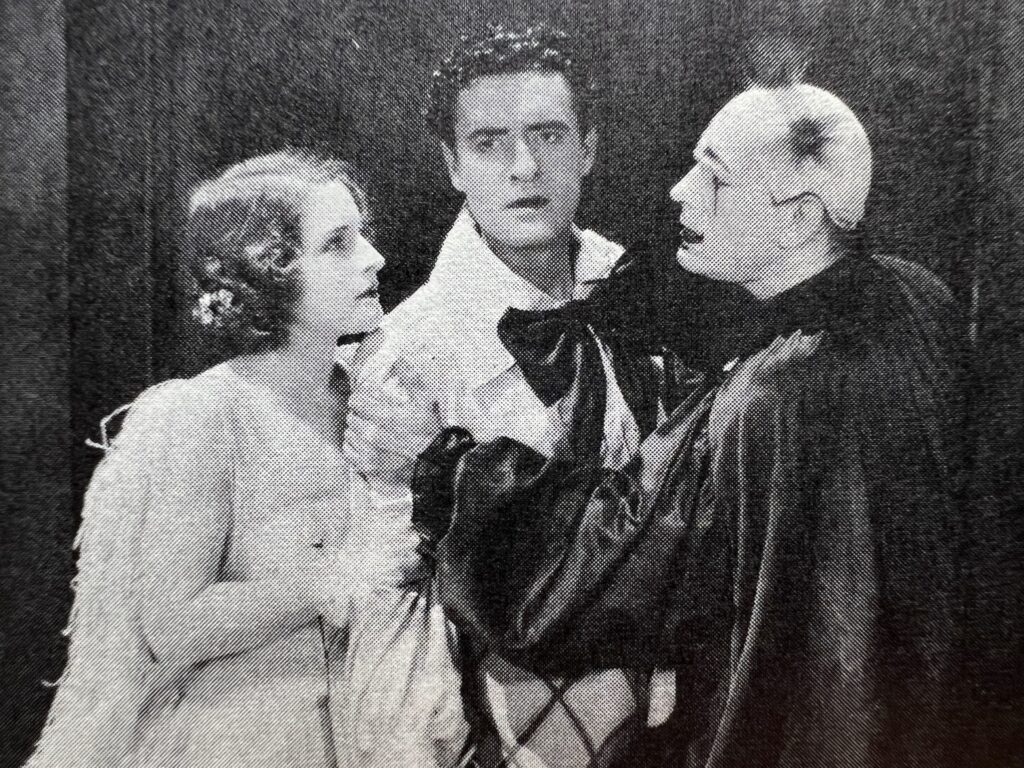
His Career Ended with the Coming of Talkies- Tragedy of Silent Star John Gilbert

The life of John Gilbert ended tragically on January 9, 1936 at the young age of 38.  Gilbert’s final performance involved no acting at all.  It was that of a dying man clutching at his chest, writhing in pain, and falling to the floor for his last gasps of air.  What must those last moments have been like for someone who had been at the top of the world, only to become one of the casualties of the nemesis feared most by silent actors…THE MICROPHONE!

John Gilbert’s complete biography can be found on Wikipedia, an excellent source of information.  Informative as well as convenient, Wikipedia always has the most up-to-date information on a variety of subjects.  I wouldn’t be without it when researching the old Hollywood stars.

John Gilbert was a longtime friend of comedienne Marion Davies who is probably best remembered as the decades-long love interest of newspaper publisher William Randolph Hearst.  In Davies’ posthumous memoir, “The Times We Had,” she spoke of Gilbert’s feelings for Lillian Gish with whom he’d been paired for the 1926 MGM film, La Bohème.”

Davies said, “Jack Gilbert would stay downstairs with a bunch of violets in his hand.  He might as well have waited for the sun to come out at night, because she was dodging him.  They were making ‘La Bohème’ and he was madly in love with her. Jack Gilbert was the sort of person who took the movies seriously.  When he played in a love scene with somebody, he fell in love with her. So he’d be down there, standing with a bunch of violets, waiting for Lillian.  But she was only there for the one picture.  She only did that one picture, and she paid no attention to Jack Gilbert with his violets – none whatsoever.”

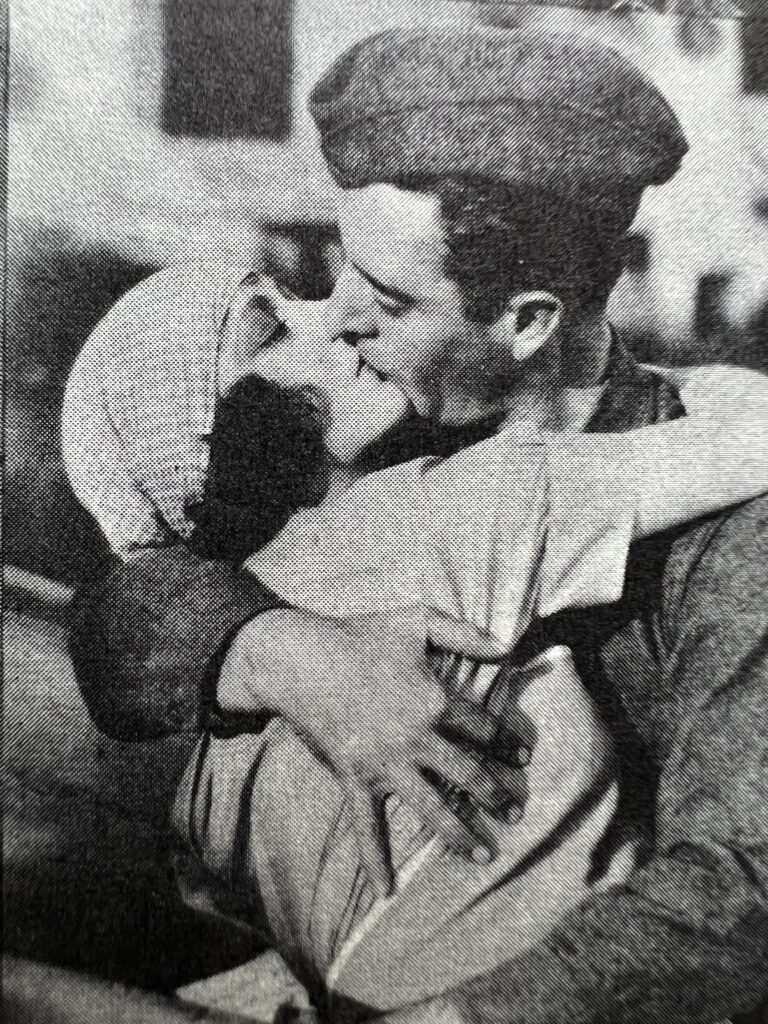
Later in her memoir, she references Greta Garbo, who co-starred with John Gilbert in several films, notably 1926’s “Flesh and the Devil,” where the two created a romantic sensation.  Davies wrote, “I felt awfully sorry for Jack Gilbert.  He was in love with Greta Garbo, and she would have no part of him at all.  That was why he was blue.  He was very much the artist type, with flashing black eyes and nervous, emotional moods.  Those writers didn’t understand it.  They were just watching and pushing him.  And imagine the emotions going on inside him.”

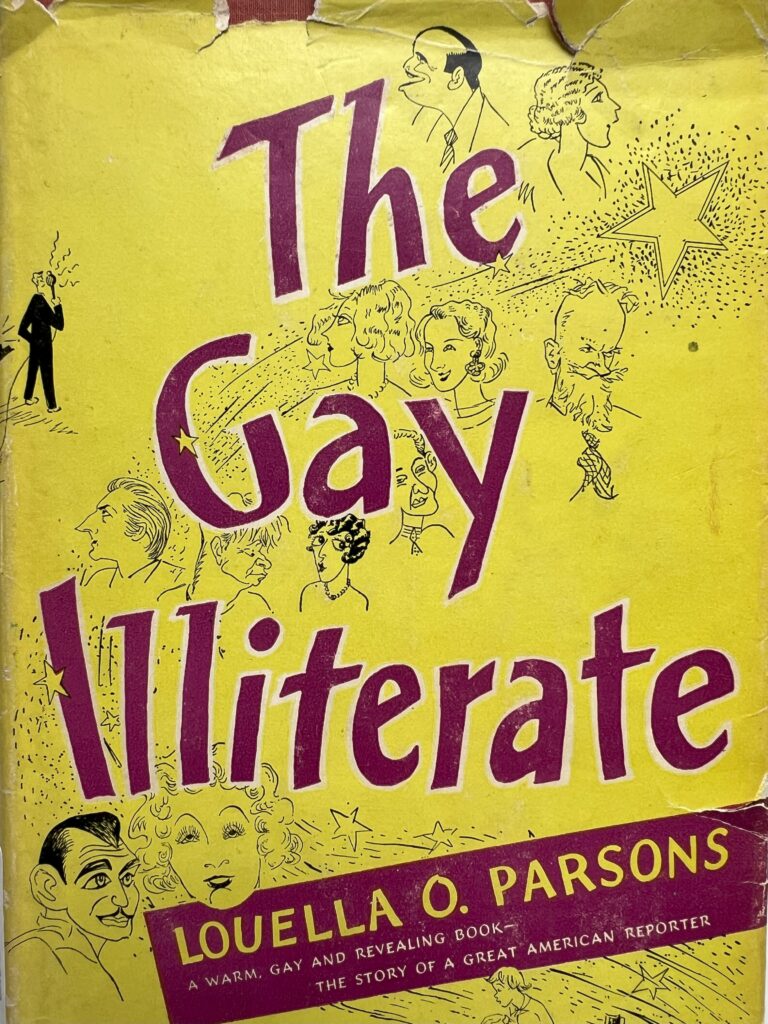
Those emotions must have eventually overwhelmed him, for gossip columnist Louella Parsons wrote in her 1944 memoir “The Gay Illiterate” that, “John Gilbert landed in jail on a charge of disturbing the peace after Greta Garbo got as far as the courthouse – and then refused to marry him.”

Parsons reported exactly how Gilbert’s career was ruined by sound pictures.  “John Gilbert and Greta Garbo, in such silent pictures as ‘Flesh and the Devil,’ had become the great lovers of the movies.  In one fell swoop – to be exact, a dreadful movie called ‘His Glorious Night’ – Jack was ruined.  It has been said, and is now accepted almost as legend, that the great Gilbert had a falsetto voice that ill became his manly physique and that audiences tittered when he spoke.”

Louella Parsons went on to say, “While Jack’s voice wasn’t so deep as the ocean, it was a thoroughly normal speaking voice.  But in those days there was little ‘mixing’ or regulation of sound.  If the microphone was pitched along the leading lady’s favorite key the hero sounded ‘way up there’ with her, too.”

One part of the Marion Davies memoir really showed how troubled John Gilbert really was.  Davies wrote of Gilbert’s frequent mood swings and stated, “One night at the beach we had gotten tired of sitting around the swimming pool and had gone out on the sand. There were thirty or forty of us. There was a group of writers around Jack, and I could hear an argument. I heard Jack say, ‘I’m going to commit suicide.’ And they said, ‘Dare you to.’ Well, that was not the thing to say to a man who was in that mood, but they were teasing him. They said, ‘Prove it. You’ve talked about suicide so much, prove it to us. If you’ve got the guts to do it, show us.’ And Jack said, ‘All right, I will.’”

w/Norma Shearer & Lon Chaney, Sr.

“While everyone was chattering away, he went out and walked into the waves. And he kept on walking until I thought, This is not funny. I said, ‘Somebody stop him.’ But they said, ‘Let him alone. He’ll stop himself. Just watch him. He won’t do it.’ They thought it was a big joke. Maybe their voices carried across. Whatever, he suddenly threw himself down, and then he came wading in and went down on the sand. He burst into sobs and beat the sand and cried his heart out. He couldn’t do it; he had been challenged and he couldn’t do it.”

Ultimately, John Gilbert got his wish.  On January 9, 1936 after a massive heart attack, aggravated by chronic alcoholism, he took a final curtain call.